Congress Faces Setback in High-Profile Rajya Sabha Nomination Row
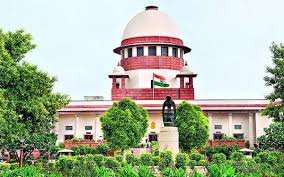
The Supreme Court has dismissed a plea filed by Congress leader Meenakshi Natarajan challenging the rejection of her nomination for the Rajya Sabha elections from Madhya Pradesh. The decision marks a significant development in a dispute that has drawn attention from political parties and election observers alike. The Court indicated that election-related grievances should be addressed through the mechanisms provided under election laws rather than through judicial intervention during the ongoing electoral process.
Court Emphasizes Election Commission Route
During the hearing, the apex court reiterated the long-established principle that courts generally avoid interfering once the election process has commenced. The bench observed that candidates aggrieved by decisions related to nominations have remedies available under election laws and through the Election Commission. This approach is rooted in constitutional provisions aimed at ensuring uninterrupted conduct of elections.
The ruling effectively closes the door on immediate judicial relief for Natarajan while leaving open the possibility of pursuing remedies through the prescribed electoral framework.
Background of the Controversy
The dispute began after Natarajan’s nomination papers for the Rajya Sabha elections were rejected during scrutiny. Objections were raised regarding the alleged non-disclosure of details related to a case in Telangana in the nomination affidavit. Election authorities concluded that the required information had not been fully disclosed, leading to the rejection of her candidature.
Natarajan and the Congress party argued that the matter involved only a legal notice or private complaint and did not constitute a pending criminal case requiring disclosure in the manner alleged by opponents. The party maintained that the rejection was unjustified and sought judicial intervention.
Political Implications for Rajya Sabha Elections
The rejection of the nomination has altered the political landscape of the Rajya Sabha contest in Madhya Pradesh. With limited time available under election rules, the Congress faced challenges in fielding an alternative candidate, while rival parties viewed the development as a significant advantage in the electoral race.
Political analysts believe the case may continue to generate debate over nomination scrutiny standards, candidate disclosures, and the balance between judicial oversight and electoral processes.
What Happens Next?
Although the Supreme Court has declined to intervene, the broader debate surrounding electoral disclosures and nomination procedures is likely to continue. The Election Commission and other statutory mechanisms remain the primary avenues for addressing such disputes.
The case serves as a reminder of the importance of accurate nomination filings and highlights the legal safeguards designed to resolve election-related disagreements within the established electoral framework.