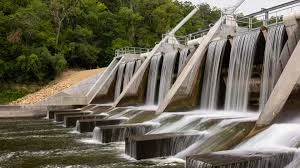
ndia is increasingly focusing on dam rehabilitation to improve the safety, efficiency, and sustainability of its aging water infrastructure. With hundreds of dams supporting irrigation, drinking water supply, hydropower generation, and flood control, rehabilitation and modernization efforts have become essential for ensuring long-term water security and public safety.
Dam rehabilitation refers to the process of repairing, upgrading, and strengthening existing dam structures using modern engineering techniques, safety systems, and policy frameworks. Many dams in India were constructed decades ago, and continuous exposure to environmental pressure, aging materials, and changing climate conditions has increased the need for systematic maintenance and technological upgrades.
The Government of India, along with state authorities and water resource departments, has introduced several initiatives aimed at improving dam safety standards across the country. These programs focus on structural strengthening, monitoring systems, emergency preparedness, and adoption of advanced technologies for risk assessment and maintenance.
One of the major goals of dam rehabilitation is to reduce the risks associated with structural failures, flooding, and water leakage. Authorities are increasingly using modern tools such as remote sensing, real-time monitoring systems, drone inspections, seismic analysis, and digital data management to monitor dam conditions more effectively.
Technological advancements are playing a significant role in improving the efficiency of rehabilitation projects. Smart sensors and automated monitoring systems can now detect cracks, pressure changes, water seepage, and structural stress in real time. These innovations help engineers identify potential risks early and take preventive action before major problems occur.
Climate change has also made dam rehabilitation more important than ever. Irregular rainfall patterns, extreme floods, droughts, and rising temperatures can place additional stress on water infrastructure. Modern rehabilitation strategies aim to make dams more resilient to changing environmental conditions and extreme weather events.
Policy reforms have further strengthened India’s dam safety framework in recent years. The government has emphasized regular safety inspections, emergency action plans, technical audits, and coordination between central and state agencies. Improved policy mechanisms are helping create standardized safety protocols and better accountability in dam management systems.
Dam rehabilitation projects also contribute to economic growth and sustainable development. Efficient dams support agriculture, industrial growth, urban water supply, and renewable energy generation. Upgraded infrastructure improves water management capabilities and reduces long-term maintenance costs.
Experts believe that combining technology with strong policy implementation is the key to building safer and more reliable water infrastructure. Rehabilitation not only extends the operational life of dams but also ensures better disaster preparedness and resource management for future generations.
Several ongoing rehabilitation projects across India are already showing positive results in terms of improved safety standards and operational performance. International collaborations, engineering innovations, and data-driven management systems are further enhancing the effectiveness of these initiatives.
As India continues to modernize its infrastructure sector, dam rehabilitation remains a critical priority for ensuring water security, environmental sustainability, and public safety. Strengthening dams through advanced technology and policy support will play a vital role in supporting the country’s long-term development goals and climate resilience efforts.