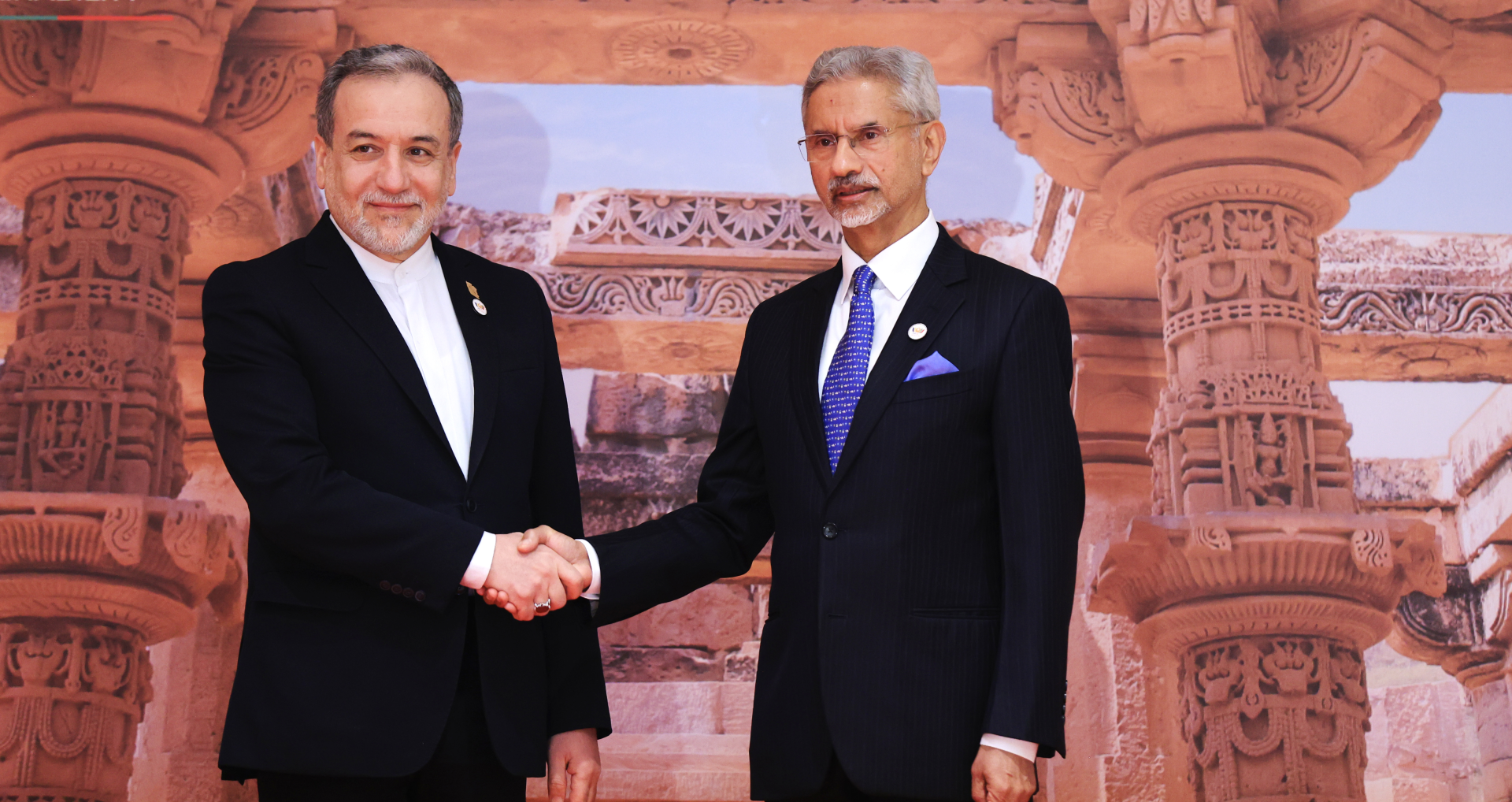
Foreign ministers of the BRICS nations gathered in New Delhi for a two-day meeting as the bloc faces growing challenges linked to the Iran war, surging global oil prices, and internal differences among member countries.
The meeting brings together representatives from Brazil, Russia, India, China, South Africa, and recently expanded members including Iran, Egypt, Ethiopia, the UAE, and Indonesia. Officials stated that discussions are focused on geopolitical tensions, global economic stability, energy security, and strengthening cooperation among BRICS nations.
India’s External Affairs Minister Subrahmanyam Jaishankar emphasized the importance of maintaining safe and uninterrupted maritime trade routes, especially through the Strait of Hormuz and the Red Sea, amid the ongoing conflict in West Asia.
Iranian Foreign Minister Abbas Araghchi reportedly urged BRICS members to adopt a stronger collective position against the actions of the United States and Israel during the ongoing conflict. However, differences among member nations, particularly between Iran and the UAE, have exposed internal divisions within the expanded bloc.
The ongoing conflict has disrupted energy supplies and contributed to rising crude oil prices, creating concerns for major energy-importing nations such as India. Analysts believe the situation is testing BRICS’ ability to present itself as a unified voice for the Global South amid increasing geopolitical uncertainty.
Russian Foreign Minister Sergey Lavrov is attending the meeting, while China is being represented by Ambassador Xu Feihong as Foreign Minister Wang Yi remains engaged in diplomatic talks in Beijing.
The BRICS foreign ministers’ meeting is considered significant ahead of the upcoming BRICS Summit scheduled to be hosted by India later this year. Observers say the discussions in New Delhi may influence the bloc’s future direction on economic cooperation, geopolitical coordination, and energy security policies.