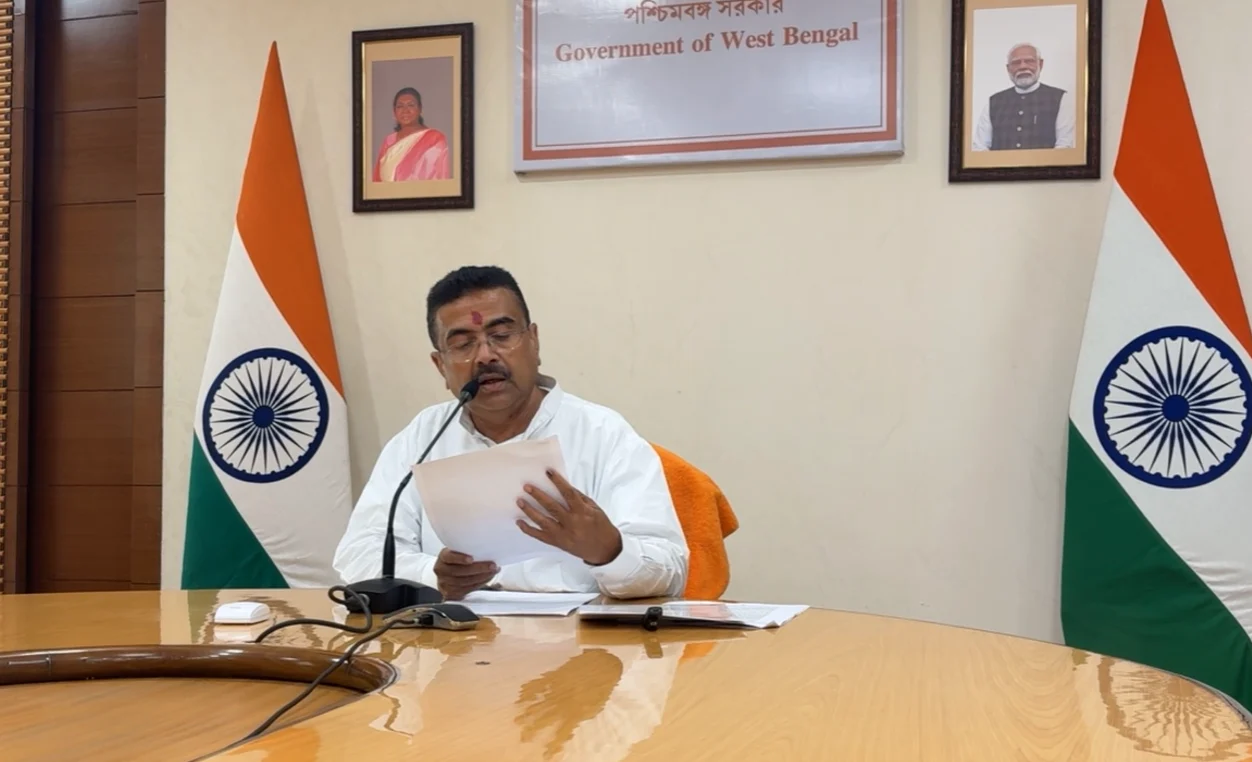
The West Bengal Government has given an in-principle approval for the implementation of the 7th Pay Commission for state government employees, marking a significant development for lakhs of employees and pensioners across the state. The move is expected to bring revisions in salaries, allowances, and retirement benefits, providing financial relief and improved compensation to government workers.
The decision has generated widespread attention among state employees, as the implementation of revised pay structures has been a long-standing demand. With the government now granting preliminary approval, discussions and administrative processes related to salary revision are expected to move forward in the coming months.
Major Relief for State Government Employees
The in-principle approval indicates that the state government has agreed to consider implementation of the 7th Pay Commission recommendations, although detailed financial planning and execution frameworks are likely to be worked out later.
If implemented, the revised pay structure could benefit:
- State government employees
- Pensioners
- Teaching and non-teaching staff
- Administrative officials
- Employees of various government departments
The move is expected to improve salary structures and enhance financial security for employees serving under the West Bengal Government.
What is the 7th Pay Commission?
The 7th Pay Commission was constituted by the Central Government to review and recommend salary structures, allowances, and pension benefits for government employees.
The recommendations generally include:
- Revised basic pay
- Improved pension benefits
- Changes in allowances
- Better compensation structures
- Salary rationalization
Several states have already implemented pay commission recommendations for their employees, and demands for similar benefits have continued in West Bengal as well.
Financial and Administrative Impact
Implementation of the 7th Pay Commission recommendations is likely to have a major financial impact on the state budget. The government may need to allocate substantial resources for revised salaries, pensions, and arrears.
Experts believe the move could:
- Increase employee morale
- Improve financial stability for workers
- Enhance administrative efficiency
- Boost consumer spending in the economy
However, the government will also need to balance fiscal management and expenditure planning while implementing the revised pay scales.
Employee Organizations Welcome Move
Reports suggest that several employee associations and unions have welcomed the state government’s decision to provide in-principle approval for the pay commission implementation.
Employee groups have long demanded:
- Pay parity with central government employees
- Revised pension structures
- Increased allowances
- Timely salary revisions
The latest development is being seen as a positive step toward addressing these concerns.
Next Steps in Implementation
Although the government has granted preliminary approval, detailed procedures regarding implementation are expected to involve:
- Financial assessment
- Preparation of revised pay structures
- Administrative consultations
- Department-wise review processes
- Official notifications and timelines
Further announcements regarding implementation schedules and benefit structures may be made after internal reviews and policy decisions.
Political and Economic Significance
The decision also carries political and economic significance, especially considering the large number of state government employees and pensioners in West Bengal.
Implementation of revised pay structures can:
- Improve employee satisfaction
- Influence economic activity
- Strengthen administrative productivity
- Increase disposable income among employees
The development is likely to remain an important issue in state administration and public policy discussions.
Conclusion
The West Bengal Government’s in-principle approval for the 7th Pay Commission for state employees marks a major development for government workers and pensioners in the state.
While detailed implementation plans are yet to be finalized, the move signals the government’s willingness to consider salary and pension revisions aimed at improving employee welfare and administrative efficiency.