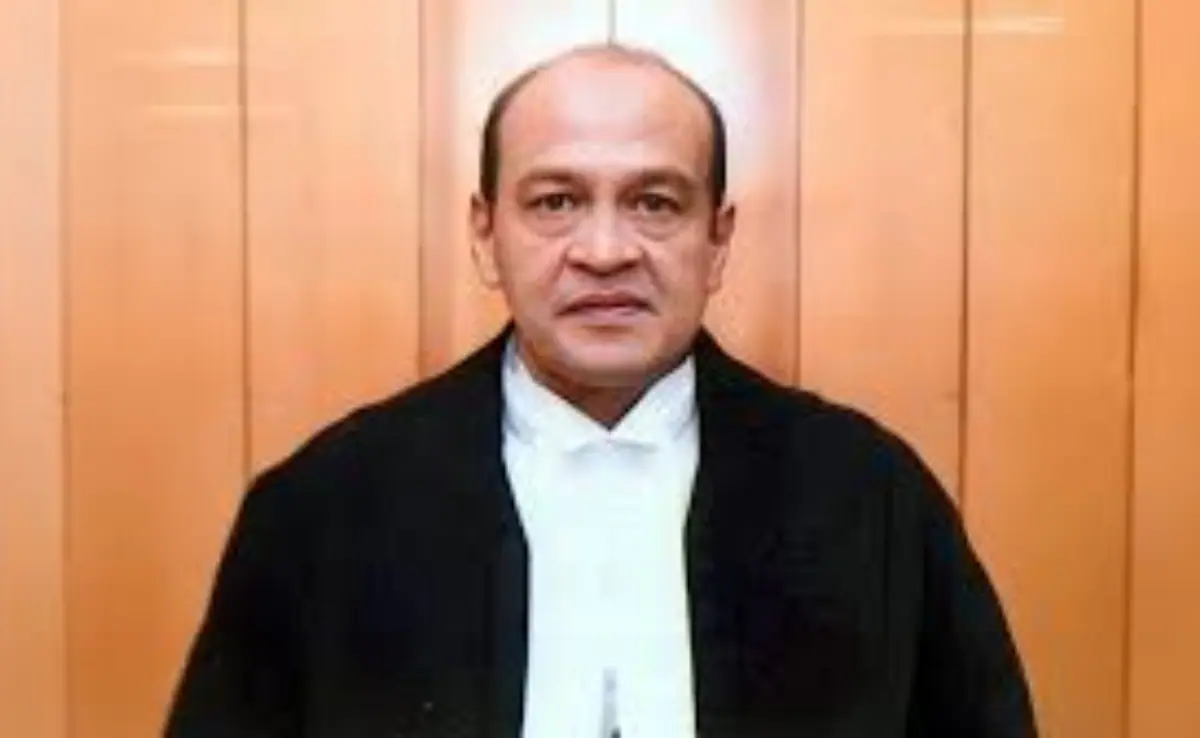
The Judges Inquiry Committee constituted to investigate allegations against Justice Yashwant Varma has submitted its report to the Speaker of the Lok Sabha in a significant development related to judicial accountability and constitutional procedures.
The submission of the report marks an important step in the inquiry process concerning allegations made against the senior judge. The matter has drawn attention within legal and political circles due to its constitutional importance and implications for judicial transparency and accountability.
The inquiry committee was formed under the provisions related to investigation of allegations against members of the higher judiciary. Such committees are generally tasked with examining evidence, reviewing complaints, and determining whether the allegations hold merit.
Important Constitutional Development
The report submission to the Lok Sabha Speaker is considered a major procedural step in the inquiry process. The Speaker plays a significant role in handling matters related to judicial accountability under constitutional and parliamentary procedures.
The Judges Inquiry Committee typically examines:
- Nature of allegations
- Supporting evidence and documents
- Statements and testimonies
- Administrative and legal aspects of the case
- Conduct under judicial standards and ethics
The findings of the committee may influence further constitutional or parliamentary proceedings depending on the recommendations made in the report.
About the Inquiry Process
In India, allegations against judges of higher courts are dealt with through a structured constitutional mechanism aimed at maintaining judicial independence while ensuring accountability.
Inquiry committees are constituted to:
- Conduct impartial investigations
- Review allegations thoroughly
- Maintain transparency in the process
- Protect constitutional integrity
- Uphold standards of judicial conduct
The process is designed to balance the independence of the judiciary with public confidence in the justice system.
Role of the Lok Sabha Speaker
The Lok Sabha Speaker has an important constitutional responsibility in matters involving judicial inquiry procedures. Once a report is submitted, it may be reviewed according to parliamentary and legal provisions governing such cases.
The Speaker may:
- Examine procedural aspects
- Facilitate parliamentary consideration if required
- Ensure constitutional compliance
- Coordinate further action under established legal frameworks
Any future proceedings would depend on the findings and recommendations contained in the committee’s report.
Importance of Judicial Accountability
Judicial accountability remains a significant aspect of democratic governance and constitutional administration. Mechanisms such as inquiry committees are intended to preserve:
- Public confidence in the judiciary
- Transparency in constitutional institutions
- Integrity of the justice system
- Ethical standards in judicial conduct
At the same time, constitutional safeguards are maintained to ensure fairness and protection of judicial independence.
Legal and Political Attention
The inquiry involving Justice Yashwant Varma has attracted attention due to the sensitivity and importance of matters related to higher judiciary investigations. Legal experts and observers continue to closely monitor developments associated with the report and any future parliamentary or constitutional actions.
The submission of the report represents a formal advancement in the process, though any final conclusions or actions would depend on constitutional procedures and legal review.
Conclusion
The submission of the Judges Inquiry Committee report on allegations against Justice Yashwant Varma to the Lok Sabha Speaker marks an important development in the ongoing inquiry process.
The matter highlights the constitutional mechanisms in place to address issues related to judicial accountability while preserving the integrity and independence of the judiciary in India.