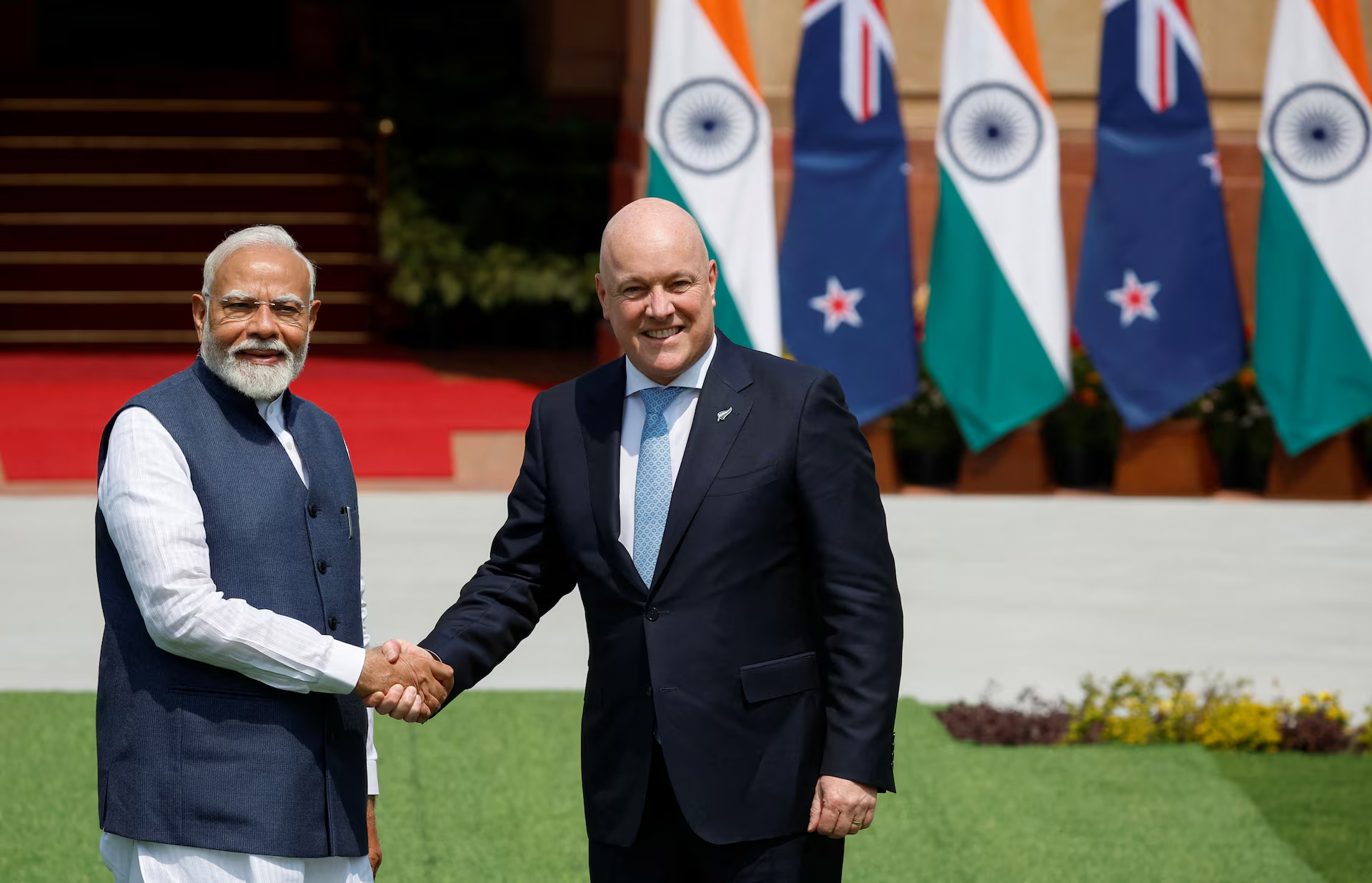
The India–New Zealand Free Trade Agreement has reached its final stage, marking a significant milestone in strengthening economic ties between India and New Zealand. After months of intensive negotiations, both countries are now set to formally sign the agreement, signaling a new era of trade cooperation in the Indo-Pacific region.
According to recent developments, the agreement is expected to be signed on April 27, 2026, in New Delhi. The negotiations, which began in March 2025, were concluded in December 2025—making it one of India’s fastest-negotiated trade deals in recent years. ()
The India–New Zealand Free Trade Agreement focuses on reducing trade barriers and enhancing market access for goods and services. One of the most notable features of the pact is that it will provide 100% duty-free access to thousands of Indian exports in the New Zealand market. () This is expected to significantly benefit sectors such as textiles, leather, engineering goods, and agricultural products.
In addition to trade benefits, the agreement includes provisions for investment and workforce mobility. Reports suggest that New Zealand may invest up to $20 billion in India over the next 15 years, while also offering around 5,000 visas annually for Indian professionals. () These measures are expected to create new employment opportunities and strengthen people-to-people connections between the two nations.
The FTA also covers a wide range of areas, including trade in goods, services, customs procedures, dispute resolution, and technical standards. With nearly 20 chapters, the agreement aims to create a comprehensive framework for long-term economic collaboration. ()
From a strategic perspective, this agreement is part of India’s broader effort to expand its trade partnerships globally. Experts believe the deal will help diversify India’s export markets and reduce dependency on traditional trading partners, especially amid ongoing global economic uncertainties.
Another key objective of the India–New Zealand Free Trade Agreement is to boost bilateral trade between the two countries. Current trade volumes are expected to grow significantly, with estimates suggesting a target of doubling trade to around $5 billion within the next five years. ()
For New Zealand, the agreement provides improved access to India’s vast and rapidly growing market. It is expected to benefit sectors such as agriculture, dairy, forestry, and education services, creating a mutually beneficial trade relationship.
Industry leaders and policymakers have welcomed the development, describing it as a “once-in-a-generation” opportunity. The agreement is expected to enhance economic cooperation, encourage investment flows, and strengthen geopolitical ties in the Indo-Pacific region.
In conclusion, as the India–New Zealand Free Trade Agreement reaches its final stage, it represents a major step forward in bilateral relations. With its wide-ranging benefits across trade, investment, and employment, the pact is poised to play a crucial role in shaping the future economic partnership between the two nations.