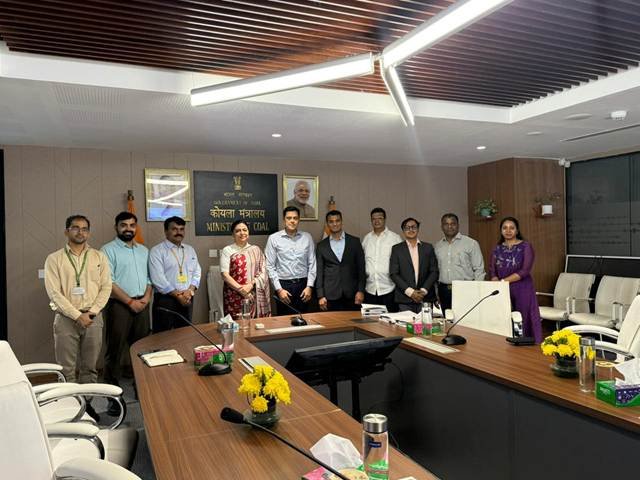
India Strengthens Energy Security with Historic Coal Mine Development Agreements
India Strengthens Energy Security through a landmark initiative as the Government of India signed Coal Mine Development and Production Agreements (CMDPAs) featuring Underground Coal Gasification (UCG) provisions for the first time in the country’s history. This strategic move marks a major step toward enhancing domestic energy production, reducing dependence on imported fuels, and promoting cleaner coal utilization technologies.
The Ministry of Coal has introduced this progressive framework to unlock the potential of deep-seated coal reserves that are difficult to extract through conventional mining methods. Underground Coal Gasification is considered an innovative technology that converts coal into gas while it is still underground, minimizing environmental disturbance and improving resource efficiency.
The signing of these agreements reflects the government’s commitment to strengthening India’s long-term energy security while supporting sustainable industrial growth. With rising energy demand across sectors such as power generation, manufacturing, and infrastructure, the adoption of advanced coal technologies is expected to play a crucial role in ensuring uninterrupted energy supply.
Underground Coal Gasification works by injecting controlled amounts of oxygen and steam into underground coal seams. The coal reacts to produce synthetic gas, commonly known as syngas, which can be used for electricity generation, fertilizer production, hydrogen manufacturing, and chemical industries. This process significantly reduces the need for large-scale surface mining and lowers the environmental footprint compared to traditional coal extraction.
Industry experts believe that the inclusion of UCG provisions in coal mine agreements will encourage technological innovation and attract fresh investments in the energy sector. It also opens opportunities for public-private partnerships and advanced research collaborations aimed at improving efficiency in coal utilization.
India possesses vast coal reserves, including many deep and unmineable deposits. Until now, several of these reserves remained untapped due to technical and economic challenges. The latest agreements are expected to help monetize these resources while contributing to the nation’s energy independence goals.
The initiative aligns with the government’s broader vision of achieving self-reliance in the energy sector under the “Aatmanirbhar Bharat” mission. By reducing dependence on imported natural gas and crude oil, India can improve its trade balance and strengthen economic resilience.
Apart from energy security, the development is also likely to create employment opportunities in mining regions, encourage infrastructure development, and support regional economic growth. Advanced mining and gasification projects can generate skilled jobs and stimulate local industries associated with energy production and transportation.
Environmental sustainability remains an important aspect of the initiative. Compared to traditional mining operations, Underground Coal Gasification has the potential to reduce land degradation, lower waste generation, and minimize transportation requirements. Authorities are expected to implement strict monitoring and environmental safeguards to ensure responsible project execution.
The historic signing of Coal Mine Development Agreements with Underground Coal Gasification provisions demonstrates India’s determination to modernize its energy sector with innovative and future-ready solutions. As the country continues its journey toward energy security and industrial growth, such initiatives are expected to strengthen India’s position as a leading global economy with a resilient and diversified energy framework.