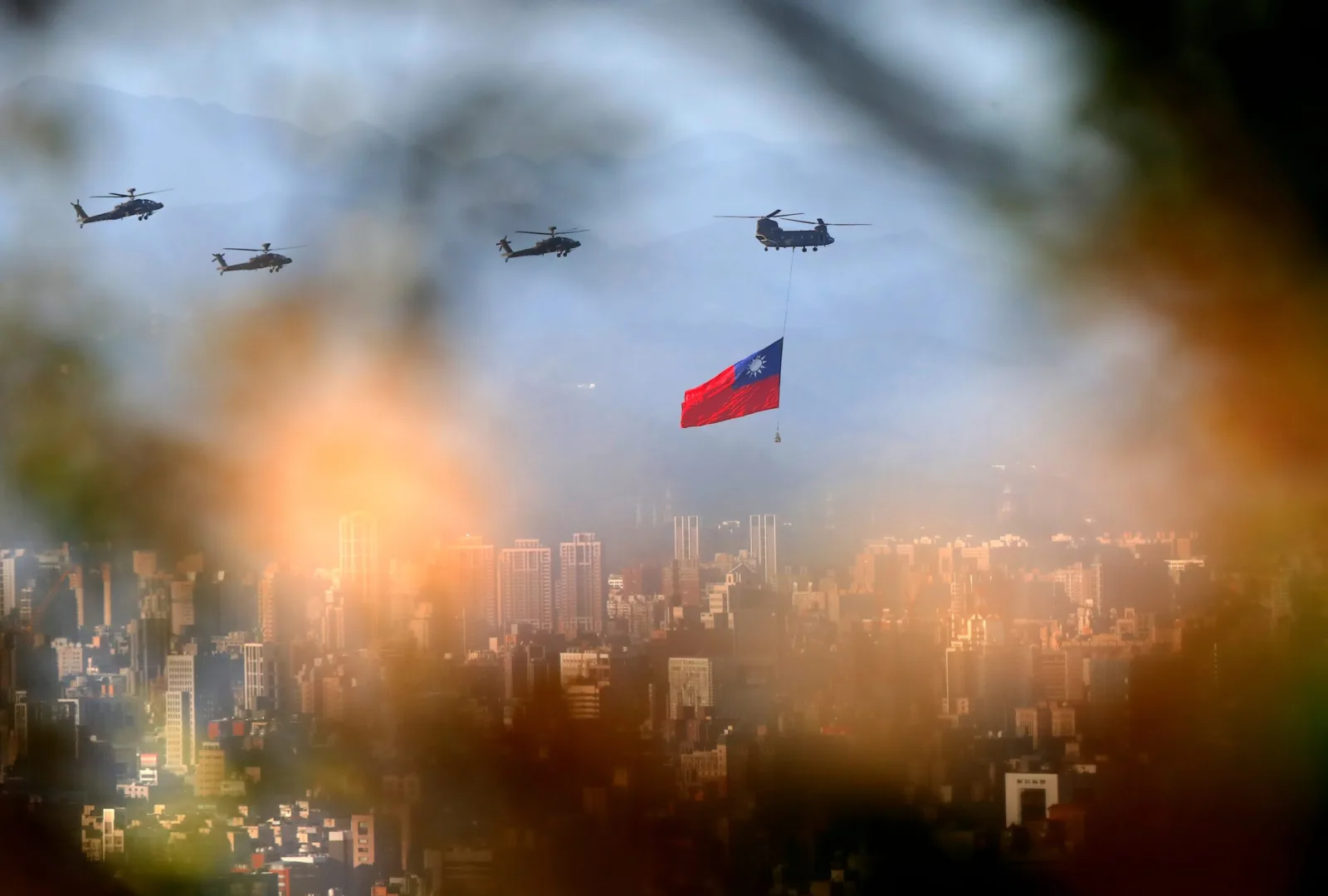
Tensions between China and Taiwan remain one of the most closely watched geopolitical issues in the world as political dialogue and military concerns continue to unfold simultaneously. In a significant development, opposition leaders from Taiwan recently made a rare visit to China and called for reconciliation and peaceful engagement between Beijing and Taipei. The visit comes at a time when military activity and political disagreements across the Taiwan Strait are increasing, raising concerns among global powers and regional allies.
The Taiwan Strait has become a major flashpoint in Asia over the past few years. China considers Taiwan a part of its territory and has repeatedly stated that reunification is a national priority. Taiwan, however, functions as a self-governed democratic island with its own political system, economy, and military. While China has not ruled out the use of force to achieve reunification, Taiwan continues to strengthen its defense capabilities and international partnerships.
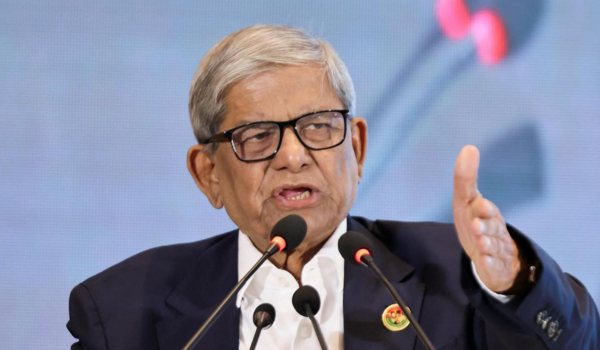
During the recent visit, Taiwanese opposition leaders emphasized the importance of maintaining communication and reducing hostility. They called for peaceful dialogue, economic cooperation, and efforts to prevent military confrontation. Analysts described the visit as politically sensitive because high-level exchanges between Taiwanese political figures and Chinese officials have become increasingly rare amid worsening relations.
The discussions focused on cultural ties, trade relations, and regional stability. Supporters of the visit believe diplomacy and communication can help reduce tensions and avoid conflict. However, critics in Taiwan argued that such engagement could weaken Taiwan’s political position or provide China with diplomatic advantages.
At the same time, security experts continue warning about the possibility of a blockade scenario in the Taiwan Strait. Military analysts say China has been expanding its naval and air force operations around Taiwan, conducting large-scale military exercises and increasing pressure near the island’s air defense zone. Some experts believe Beijing could attempt economic or military blockades instead of a direct invasion to pressure Taiwan politically and economically.
A blockade of the Taiwan Strait would have major global consequences because the region is one of the world’s busiest trade and shipping routes. Taiwan is also a global leader in semiconductor manufacturing, supplying advanced computer chips used in smartphones, automobiles, artificial intelligence systems, and defense technologies. Any disruption in the region could impact global supply chains, international trade, and technology industries worldwide.
The United States and several Western allies continue to closely monitor developments in the region. Washington has maintained unofficial ties with Taiwan and regularly provides defensive military support to the island. China strongly opposes such cooperation and accuses foreign powers of interfering in its internal affairs.
The growing geopolitical competition in Asia is also influencing regional security alliances. Countries including Japan, South Korea, Australia, and members of ASEAN are carefully observing the situation due to concerns about regional stability and economic security. Increased military spending and defense cooperation across Asia reflect rising fears of long-term strategic rivalry in the Indo-Pacific region.
Despite diplomatic efforts and calls for reconciliation, tensions between China and Taiwan remain highly sensitive. Experts warn that miscalculations, military incidents, or political provocations could rapidly escalate into a larger international crisis. As global attention remains focused on the Taiwan Strait, the situation continues to shape the future of Asian security and international geopolitics.