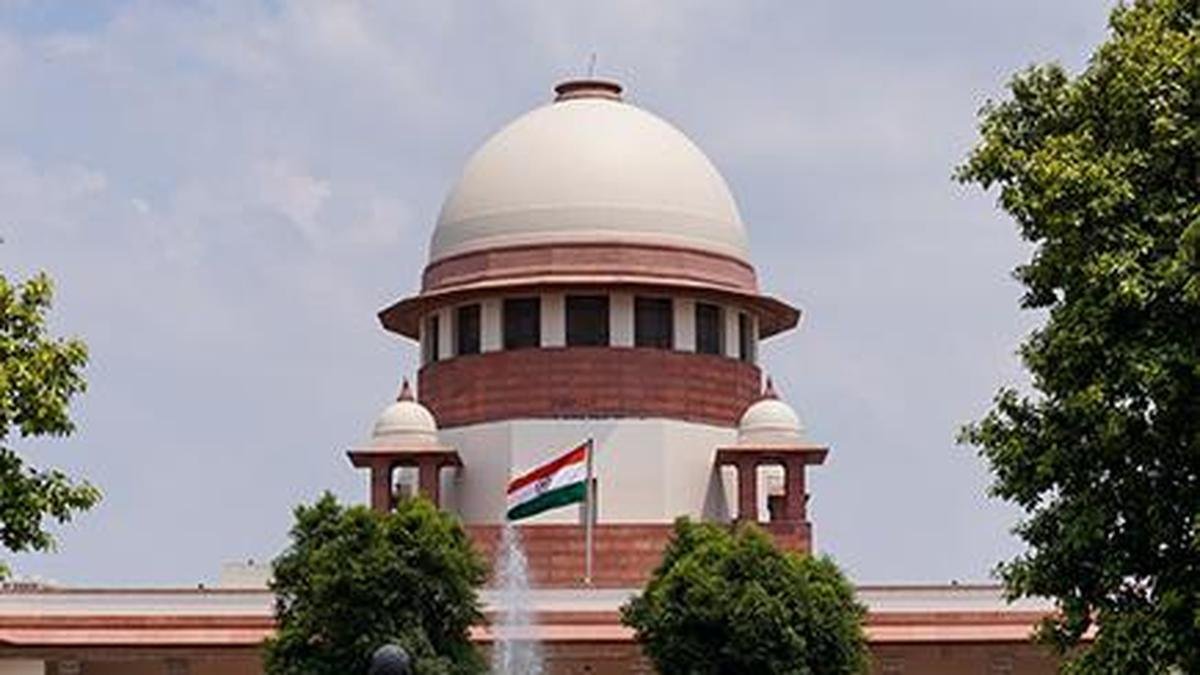
The Central Government is set to seek a review by a larger bench of the Supreme Court regarding bail provisions under the Unlawful Activities (Prevention) Act (UAPA) following conflicting judicial interpretations in recent cases. The move comes amid growing legal debate over the standards for granting bail in cases registered under the stringent anti-terror legislation.
According to legal sources, the government believes that recent Supreme Court rulings on bail under UAPA have created uncertainty in the interpretation of Section 43D(5) of the Act, which imposes strict conditions on granting bail to accused individuals in terrorism-related cases. The Centre is expected to request the Supreme Court to refer the matter to a larger constitutional bench for clarity and uniformity in future judgments.
The controversy stems from differing observations made by various Supreme Court benches regarding how courts should assess evidence and individual liberty while considering bail applications under UAPA. In some recent judgments, courts granted bail citing prolonged incarceration, delay in trial proceedings, and constitutional rights under Article 21, which guarantees personal liberty.
However, in other cases, courts adopted a stricter interpretation of the law, emphasizing national security concerns and the stringent framework laid down under UAPA. These differing approaches have led to legal uncertainty among lower courts handling anti-terror cases across the country.
The government argues that a consistent judicial interpretation is necessary to ensure effective implementation of anti-terror laws while maintaining legal clarity. Officials believe that conflicting precedents may affect ongoing investigations and prosecution in sensitive national security matters.
Legal experts say the issue revolves around balancing two important principles — protecting individual rights and ensuring national security. Courts have repeatedly emphasized that while terrorism-related offences are serious, prolonged detention without trial can also raise constitutional concerns.
The Unlawful Activities (Prevention) Act is India’s primary anti-terror legislation and is often used in cases involving alleged terror activities, unlawful organizations, and threats to national security. The law contains stringent provisions related to arrest, investigation, and bail, making it significantly more difficult for accused persons to secure release during trial proceedings.
The debate over bail under UAPA has intensified in recent years due to several high-profile cases involving activists, journalists, students, and individuals accused in terror-related investigations. Human rights groups and civil liberty advocates have often raised concerns over lengthy incarceration periods and delays in trials under the Act.
At the same time, security agencies maintain that strict bail provisions are essential to effectively combat terrorism and protect national interests. Government authorities argue that weakening the framework could adversely impact counter-terror operations and national security investigations.
If the Supreme Court agrees to hear the matter before a larger bench, the decision could have significant implications for future UAPA cases and the broader interpretation of bail jurisprudence in India. The ruling may help establish clearer legal standards for balancing personal liberty with national security considerations.
The issue is expected to remain closely watched by legal experts, political observers, and civil rights groups due to its potential impact on India’s criminal justice and anti-terror framework.