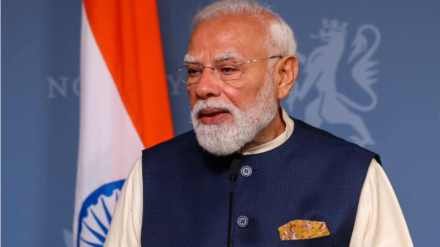
A leading Norwegian newspaper has come under intense criticism after publishing a controversial cartoon depicting Indian Prime Minister Narendra Modi as a snake charmer. The illustration sparked outrage across India and among sections of the Indian diaspora, with many calling the cartoon racist, stereotypical, and offensive toward Indian culture and leadership.
The controversy began after the Norwegian daily published an editorial cartoon related to India’s growing international influence and diplomatic positioning. The cartoon portrayed Prime Minister Modi in traditional snake-charmer attire, standing beside a snake emerging from a basket — an image many critics argued reinforced outdated colonial stereotypes historically used to mock India and its people.
The publication quickly drew strong reactions on social media, where users accused the newspaper of promoting racial stereotypes and disrespecting India’s global standing. Several political commentators, journalists, and public figures criticized the portrayal, saying it reflected a biased and insensitive depiction of Indian identity.
Supporters of Prime Minister Modi and members of the Bharatiya Janata Party (BJP) condemned the cartoon and demanded an apology from the newspaper. Many argued that reducing the leader of one of the world’s largest democracies to an old stereotype was unacceptable and inconsistent with modern journalistic standards.
Critics pointed out that the “snake charmer” image has historically been associated with colonial-era portrayals of India as backward and exotic. Over the years, India has worked to shed such stereotypes while emerging as a major global economy, technological power, and influential geopolitical player. For many Indians, the cartoon was seen not merely as satire but as an insult to the nation’s progress and international image.
Some social media users also highlighted concerns about double standards in international media, arguing that similar depictions involving leaders from Western nations would likely trigger far stronger condemnation globally.
At the same time, defenders of the publication argued that editorial cartoons are traditionally meant to provoke debate and criticism through satire. Supporters of press freedom stated that political caricatures are a long-standing journalistic practice used worldwide to comment on political developments and global affairs.
However, the backlash continued to grow as Indian users online called for accountability and sensitivity in international media representations. Several commentators stressed that freedom of expression should not cross into racial or cultural stereotyping.
The incident has once again sparked wider conversations about representation, cultural bias, and the portrayal of non-Western countries in global media. Experts noted that international publications increasingly face scrutiny over how they depict leaders, cultures, and communities in politically sensitive contexts.
Neither the Norwegian newspaper nor its editorial team initially issued a formal apology, though reports suggested that the publication defended the cartoon as political satire. The controversy nevertheless intensified diplomatic and public debate online, especially amid India’s expanding role in global politics and international diplomacy.
The issue has become a major topic of discussion across Indian media platforms, with many viewing the cartoon as an example of outdated Western perceptions that fail to reflect India’s modern identity and growing global influence.