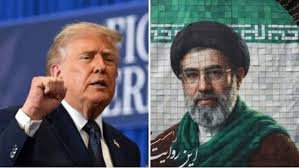
Despite weeks of negotiations and claims of progress, the proposed US-Iran peace deal remains stuck over major disagreements involving the Strait of Hormuz, sanctions relief, uranium enrichment, and regional security issues. Diplomatic efforts involving the United States, Iran, Gulf nations, and mediators have continued, but both sides remain divided on several core demands.
The proposed agreement is expected to:
- Reopen the Strait of Hormuz
- Extend ceasefire arrangements
- Reduce regional tensions
- Restart discussions over Iran’s nuclear programme
- Ease economic and energy market uncertainty
However, serious disagreements continue to block a final breakthrough.
10 Key Reasons Why the Deal Is Stuck
1. Strait of Hormuz Control Is the Biggest Dispute
The Strait of Hormuz remains the most sensitive issue in the negotiations. The US wants unrestricted global navigation through the strategic oil route, while Iran insists the strait will remain under Iranian supervision and management.
Iran has even proposed shipping fees and special navigation protocols, which Washington views as unacceptable restrictions.
2. Nuclear Enrichment Disagreement
The United States and Israel want Iran to stop uranium enrichment and surrender highly enriched uranium stockpiles.
Iran, however, refuses to completely abandon enrichment activities and insists its nuclear programme is peaceful. Tehran also says nuclear issues cannot be fully resolved in the first phase of the agreement.
3. Sanctions Relief Dispute
Iran demands immediate removal of US sanctions and access to frozen assets before making major concessions.
Washington insists sanctions relief will only happen after Iran fulfils its commitments regarding uranium disposal, maritime access, and ceasefire guarantees.
4. No Final Agreement Yet
Current discussions are based mainly on a preliminary framework or memorandum of understanding (MoU), not a complete treaty.
Many difficult issues are being postponed for later negotiations, increasing uncertainty around the entire process.
5. Israel’s Security Concerns
Israeli Prime Minister Benjamin Netanyahu reportedly wants Iran’s nuclear capabilities dismantled completely.
Iran strongly rejects this demand and considers it a violation of its sovereignty and national rights.
6. Regional Conflict Complications
Iran wants broader guarantees covering conflicts involving Lebanon, Hezbollah, and other regional tensions.
Israel, meanwhile, wants operational freedom against Hezbollah and allied militant groups, creating another major obstacle in the talks.
7. Deep Lack of Trust
Trust between Tehran and Washington remains extremely weak.
Iran repeatedly points to Donald Trump’s withdrawal from the 2015 nuclear agreement during his earlier presidency as proof that future US commitments may not be reliable.
8. Disagreement Over Who Moves First
Iran wants sanctions lifted before taking concrete action.
The US position is the opposite: Tehran must first reopen the Strait of Hormuz, reduce nuclear risks, and meet security conditions before receiving economic relief.
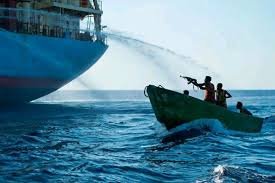
9. Security and Maritime Risks
Recent tensions involving:
- Sea mines
- Shipping disruptions
- Attacks on commercial vessels
- US naval blockades
have created major safety concerns in Gulf waters. These risks are slowing progress and making international stakeholders cautious.
10. Domestic Political Pressure
Hardliners in both countries oppose compromise.
In Iran, conservatives fear surrendering strategic leverage, while in the US, critics argue that easing pressure could strengthen Tehran economically and militarily.
Why the Strait of Hormuz Matters So Much
The Strait of Hormuz is among the world’s most important oil transit chokepoints, carrying nearly one-fifth of global oil and LNG shipments. Any disruption immediately impacts:
- Global fuel prices
- Energy markets
- Inflation
- International shipping
- Oil-importing countries like India
That is why reopening the strait remains central to every negotiation attempt.
Oil Markets Watching Closely
Global oil prices recently fell sharply after reports suggested possible progress in negotiations.
However, analysts warn markets remain fragile because:
- No final agreement exists yet
- Infrastructure damage remains unresolved
- Political uncertainty continues
- Future escalation risks remain high
Could a Deal Still Happen?
Diplomatic channels remain active, and mediators including Gulf nations continue pushing for compromise.
Experts believe a limited agreement could emerge if:
- Iran accepts tighter nuclear monitoring
- The US offers phased sanctions relief
- Maritime access guarantees are finalized
But major ideological and geopolitical differences still make a comprehensive peace deal difficult.
Conclusion
The US-Iran peace negotiations remain deadlocked because of deep disagreements over the Strait of Hormuz, sanctions relief, nuclear enrichment, regional security, and mutual distrust.
While both sides publicly discuss progress, the biggest and most politically sensitive issues remain unresolved — making any final agreement uncertain for now.