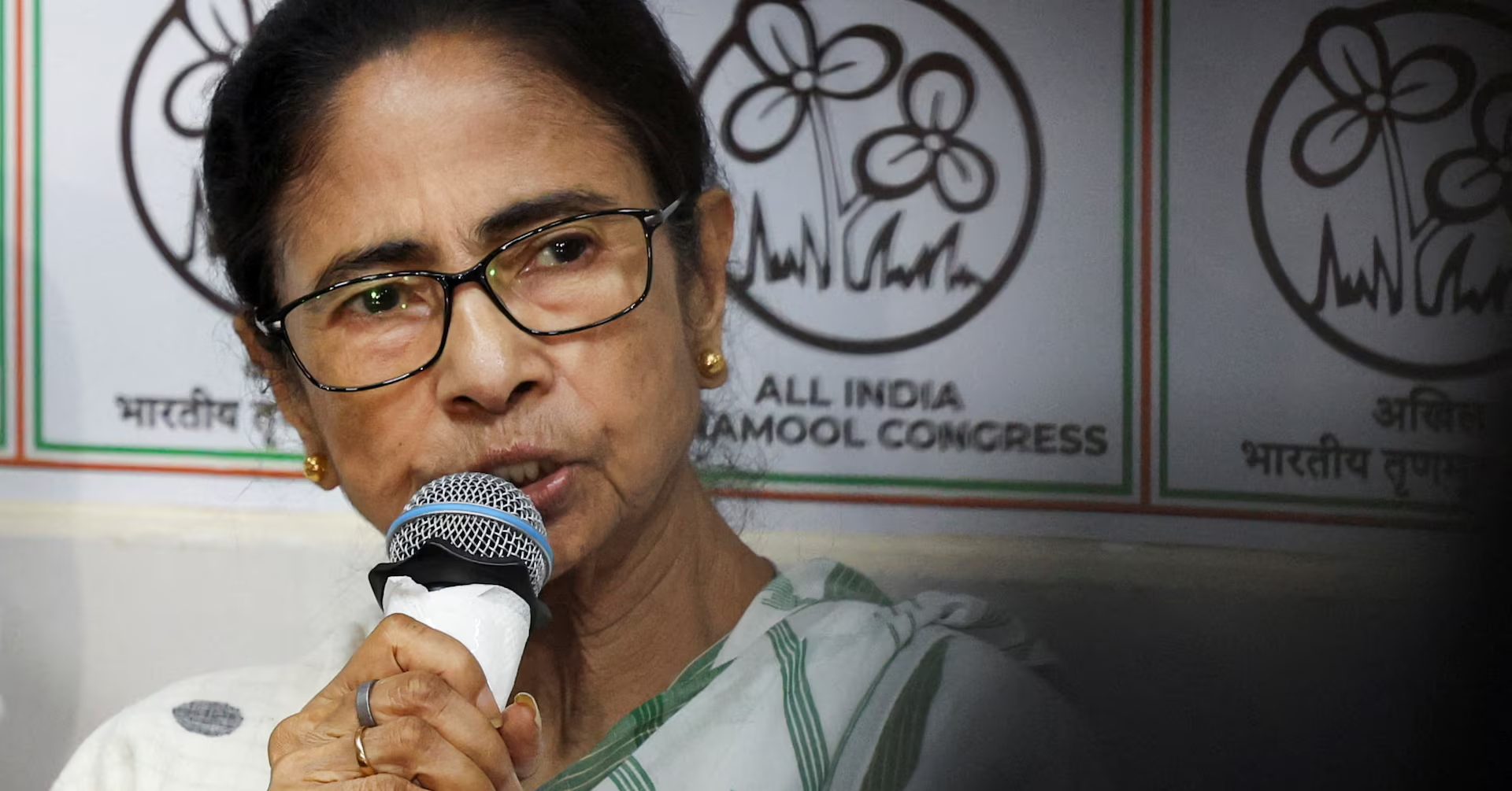
West Bengal Chief Minister and Trinamool Congress (TMC) supremo Mamata Banerjee has reportedly delivered a strong message to party leaders who suffered electoral defeats, telling them they are free to leave the party if they wish to do so. The remarks, according to TMC leaders and political insiders, came during internal party discussions focused on organizational discipline, accountability, and electoral performance.
The statement has triggered major political discussions in West Bengal, with observers interpreting it as a signal that the TMC leadership is seeking stricter internal discipline ahead of future political battles and upcoming elections.
The development also reflects increasing pressure on political parties to maintain organizational unity and strengthen grassroots structures amid changing political dynamics.
Mamata Banerjee’s Strong Message to Party Leaders
According to party sources, Mamata Banerjee reportedly expressed dissatisfaction with certain leaders over poor electoral performances and organizational weaknesses in specific regions.
The Chief Minister is said to have emphasized:
- Accountability within the party
- Commitment to organizational work
- Loyalty to party ideology
- Stronger grassroots engagement
- Internal discipline and responsibility
Reports suggest she made it clear that leaders unwilling to work for the party’s objectives are free to quit instead of creating internal confusion or factionalism.
The remarks are being viewed as an attempt to reinforce authority within the party structure.
Focus on Strengthening TMC Organization
Political analysts believe the TMC leadership is currently focused on:
- Rebuilding local party structures
- Addressing factional issues
- Strengthening booth-level organization
- Improving electoral coordination
- Preparing for future elections
The party leadership reportedly wants defeated leaders to remain active and connected with grassroots workers instead of distancing themselves after electoral setbacks.
Political Context Behind the Remarks
The comments come amid increasing political competition in West Bengal, where major parties continue aggressive campaigns to expand their support base.
Observers say internal dissatisfaction sometimes increases after elections due to:
- Ticket distribution disputes
- Leadership conflicts
- Electoral defeats
- Organizational rivalries
- Regional political pressures
Strong statements from party leadership are often aimed at maintaining unity and preventing defections or internal instability.
TMC’s Emphasis on Grassroots Politics
The Trinamool Congress has traditionally relied heavily on grassroots-level political mobilization and local organizational strength.
Political experts note that Mamata Banerjee often stresses:
- Direct public outreach
- Local-level political engagement
- Worker loyalty and discipline
- Constant organizational activity
The leadership’s focus remains on maintaining strong public connection and political presence across districts and rural areas.
Reactions Within Political Circles
The reported remarks triggered discussions among political observers and opposition leaders.
Supporters of Mamata Banerjee argued that:
- Political accountability is necessary
- Leaders must remain committed after defeats
- Organizational discipline strengthens parties
Critics, however, viewed the comments as a reflection of internal tensions and dissatisfaction within the ruling party.
Despite the debate, TMC leaders publicly maintained that the party remains united and focused on future political challenges.
Importance of Internal Party Discipline
Political analysts say strong organizational discipline is considered crucial for large political parties, especially in states with highly competitive political environments.
Internal coordination helps parties:
- Maintain electoral strategy
- Prevent factional conflicts
- Strengthen grassroots networks
- Improve campaign management
- Ensure leadership control
Leadership interventions often become more visible after major elections or political setbacks.
West Bengal’s Evolving Political Landscape
West Bengal continues to remain one of India’s most politically active states, with intense competition among major parties over governance, development, and voter support.
The political environment in the state is shaped by:
- Grassroots mobilization
- Regional leadership influence
- Welfare politics
- Strong cadre-based structures
- Continuous political campaigning
As political competition increases, parties are expected to focus more aggressively on organizational strengthening and public outreach.
Conclusion
Mamata Banerjee’s reported remarks asking defeated TMC leaders to quit if they wish have intensified political discussions regarding internal discipline, accountability, and party organization within the Trinamool Congress.
The development reflects the leadership’s focus on strengthening party structure and maintaining organizational unity ahead of future political challenges in West Bengal.