Recovery of Ebola Patients Brings Encouraging News
Amid a rapidly evolving Ebola outbreak in the Democratic Republic of Congo (DRC), health officials have reported a significant breakthrough with the recovery of several patients infected by the virus. The development has provided a much-needed boost to healthcare workers and affected communities battling one of the most serious Ebola outbreaks in recent years. Recent reports indicate that five patients, including healthcare workers, have successfully recovered and been discharged from treatment facilities.
The recoveries are particularly notable because the current outbreak involves the Bundibugyo strain of Ebola, a rare variant for which there is currently no approved vaccine or specific treatment. Health experts say the recoveries demonstrate that early diagnosis, supportive medical care, and effective outbreak management can significantly improve survival rates.
Ebola Cases Continue to Rise in DRC
Despite the positive news, the outbreak remains a major public health concern. Authorities in the DRC have reported a continued increase in confirmed Ebola infections, with hundreds of confirmed cases and dozens of deaths recorded since the outbreak was identified. The disease has spread across multiple provinces, particularly in the conflict-affected eastern regions of the country.
The World Health Organization (WHO) has classified the outbreak as a Public Health Emergency of International Concern due to its rapid spread and the challenges involved in containing it. Health officials warn that ongoing violence, population displacement, and limited healthcare infrastructure are complicating response efforts.
Bundibugyo Strain Presents Unique Challenges
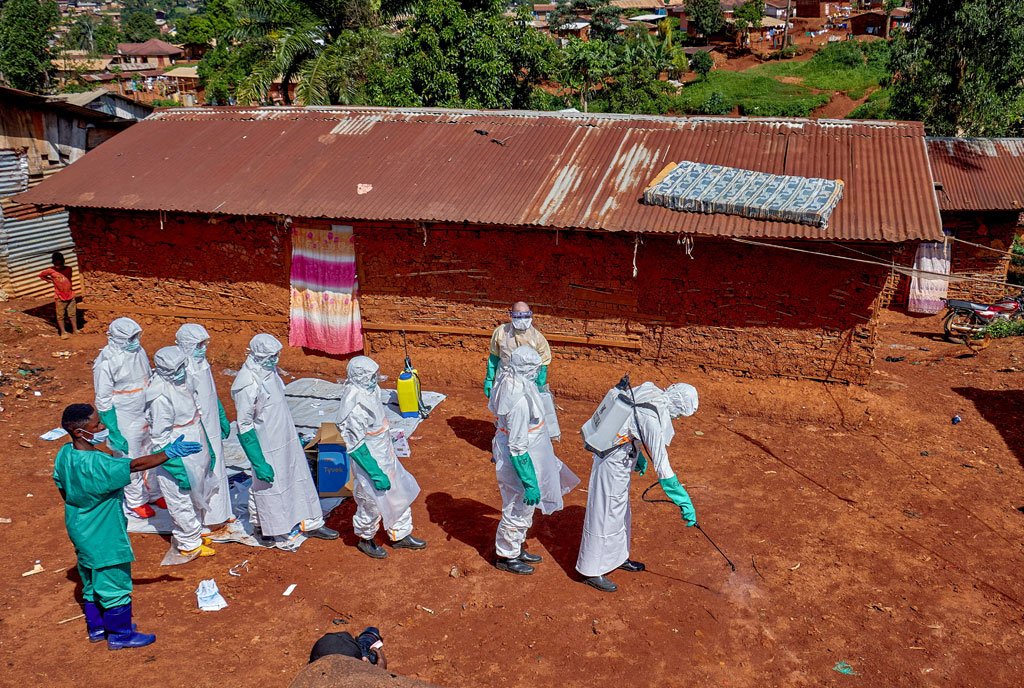
Unlike previous Ebola outbreaks caused by the Zaire strain, the current epidemic involves the Bundibugyo virus. This strain has no approved vaccine or targeted treatment available, making containment efforts more difficult. Medical teams are therefore relying heavily on supportive care, isolation measures, contact tracing, and public awareness campaigns to reduce transmission.
Health experts emphasize that prompt medical attention remains critical. Patients who receive early treatment for symptoms such as fever, dehydration, and infection-related complications have a greater chance of survival.
Suspected Cases Reported Outside Africa
Adding to global concern, suspected Ebola cases linked to travel from affected regions have recently emerged outside Africa. Health authorities in countries including Brazil and Italy have investigated individuals showing symptoms consistent with Ebola after travel histories connected to outbreak areas.
While initial investigations have reportedly identified other illnesses in some patients, health officials continue to monitor the situation closely and conduct further testing where necessary. These developments highlight the interconnected nature of global health security and the importance of surveillance systems in preventing international spread.
WHO Calls for Community Participation
The WHO has repeatedly stressed that community cooperation will be essential to controlling the outbreak. Public health officials are encouraging people to report symptoms early, avoid unsafe burial practices, and follow infection prevention guidelines.
In some affected regions, misinformation and distrust of health authorities have created additional challenges for response teams. There have been reports of resistance to public health measures and attacks on healthcare facilities, making containment efforts more difficult.
Experts believe that engaging local leaders, religious figures, and community organizations will be crucial to improving public trust and strengthening outbreak response efforts.
International Support Intensifies
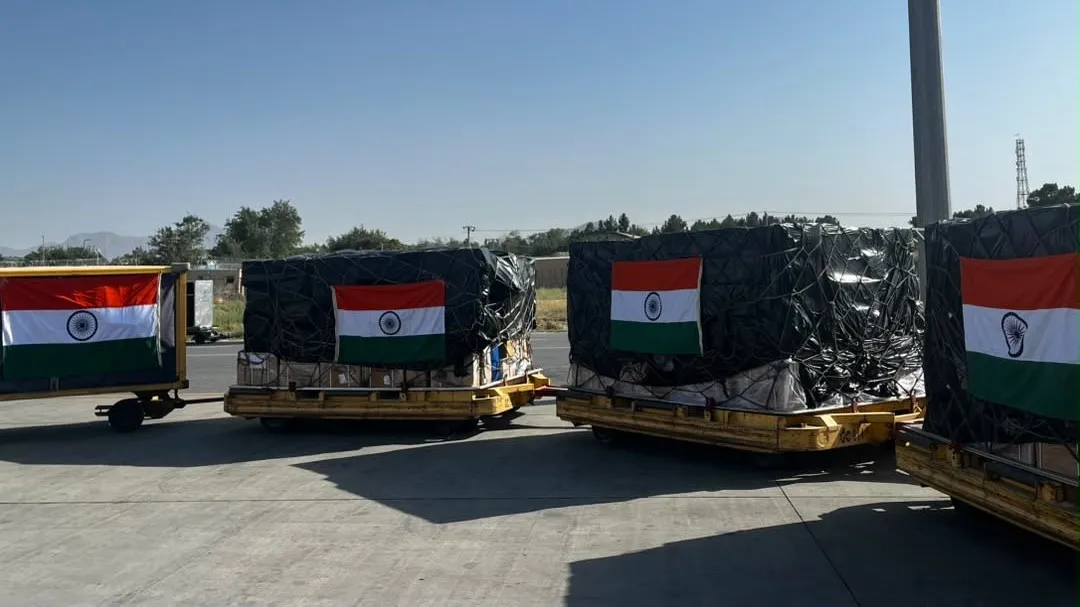
International organizations and governments have stepped up support for the DRC and neighboring countries. WHO, Médecins Sans Frontières (MSF), the Africa Centres for Disease Control and Prevention, and other partners are providing medical supplies, technical assistance, treatment facilities, and surveillance support.
A new Ebola treatment center has recently been opened in Bunia, one of the areas most affected by the outbreak. The facility is expected to improve patient care and strengthen disease management efforts in the region.
Global Health Authorities Remain Alert
Although the risk of widespread international transmission remains relatively low, health agencies continue to monitor developments closely. Cross-border movement, international travel, and ongoing humanitarian challenges mean that vigilance remains essential.
Experts note that rapid detection, contact tracing, and coordinated international cooperation will play a critical role in preventing the outbreak from expanding further.
Conclusion
The recovery of Ebola patients in the Democratic Republic of Congo has provided a welcome sign of hope amid a challenging outbreak. However, rising case numbers, the absence of an approved vaccine for the Bundibugyo strain, and the emergence of suspected cases outside Africa underscore the seriousness of the situation.
As health authorities continue their efforts to contain the virus, the combination of early treatment, community cooperation, and international support will be critical in preventing further spread and saving lives. The coming weeks are expected to be crucial in determining the trajectory of the outbreak.