India Extends Medical Support to Congo Amid Ebola Outbreak
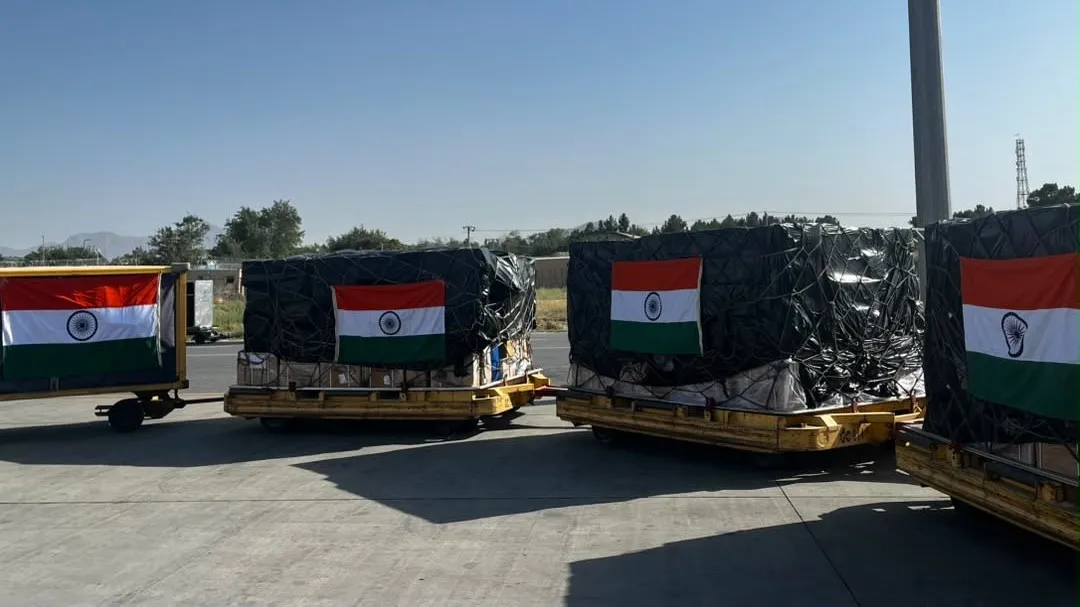
India has dispatched emergency pharmaceutical supplies to support efforts aimed at controlling the Ebola outbreak in the Democratic Republic of Congo. The humanitarian assistance comes as health authorities and international organizations continue to battle the rapidly spreading Bundibugyo strain of the Ebola virus in affected African regions.
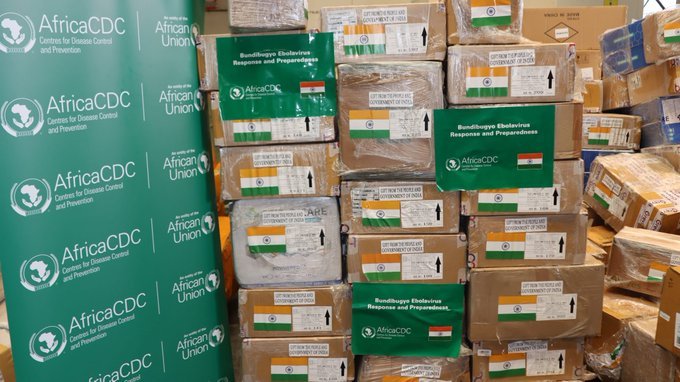
According to reports, the emergency medical consignment was received by the Africa Centres for Disease Control and Prevention (Africa CDC) through its Eastern Africa Regional Coordinating Centre in Uganda.
The support highlights India’s growing role in global health cooperation and emergency humanitarian assistance during international public health crises.
Emergency Supplies Include Essential Medical Materials
Reports stated that the shipment includes essential diagnostics, therapeutics, infection prevention and control materials, protective kits, and case management support equipment. These supplies are expected to help healthcare teams working in Ebola-affected communities in eastern Congo.
Africa CDC thanked the Government and people of India for the assistance and described the support as important for strengthening ongoing outbreak response efforts.
The supplies are being deployed at a time when healthcare systems in the affected regions are facing shortages of medical resources, protective equipment, and emergency infrastructure.
Ebola Outbreak Raises Global Health Concerns
The current outbreak involves the Bundibugyo strain of the Ebola virus, which has caused significant concern among global health agencies. According to the World Health Organization (WHO), there are currently no approved vaccines or specific treatments available for this strain.
Health authorities have reported hundreds of suspected cases and deaths linked to the outbreak in Congo and neighboring regions.
The situation has become more difficult due to conflict, logistical challenges, shortages of healthcare supplies, and limited access to affected areas.
India’s Humanitarian and Health Diplomacy
India’s emergency assistance reflects its broader policy of supporting countries facing humanitarian and health emergencies. Over the years, India has supplied medicines, vaccines, and medical equipment to several nations during disease outbreaks and natural disasters.
External Affairs Minister S. Jaishankar had earlier stated that India remains committed to supporting African countries in responding to the emerging Ebola health emergency.
Experts believe India’s strong pharmaceutical manufacturing capacity allows it to play an important role in global medical supply chains during emergencies.
WHO Declares Global Health Emergency
The World Health Organization has already classified the Ebola outbreak in Congo and Uganda as a Public Health Emergency of International Concern (PHEIC).
International health agencies have urged countries to strengthen surveillance systems, monitor travelers from affected regions, and improve preparedness measures to prevent cross-border spread of the disease.
India has also issued travel advisories asking citizens to avoid non-essential travel to affected regions, including Congo, Uganda, and South Sudan.
Challenges in Containing the Outbreak
Health workers in Congo continue to face major challenges while trying to contain the outbreak. Reports indicate that violence, public mistrust, attacks on healthcare facilities, and lack of protective supplies are slowing response efforts.
Humanitarian organizations have stressed the urgent need for additional medical support, infection prevention measures, and global cooperation to prevent the outbreak from worsening further.
The absence of approved vaccines for the Bundibugyo strain has also increased the complexity of containment efforts.
Conclusion
India’s decision to send emergency pharmaceutical supplies to support the Ebola outbreak response in Congo highlights its commitment to international humanitarian assistance and global public health cooperation.
As health agencies continue to battle the rapidly spreading virus, international collaboration, medical aid, and stronger healthcare infrastructure will remain crucial in controlling the outbreak and protecting vulnerable communities.