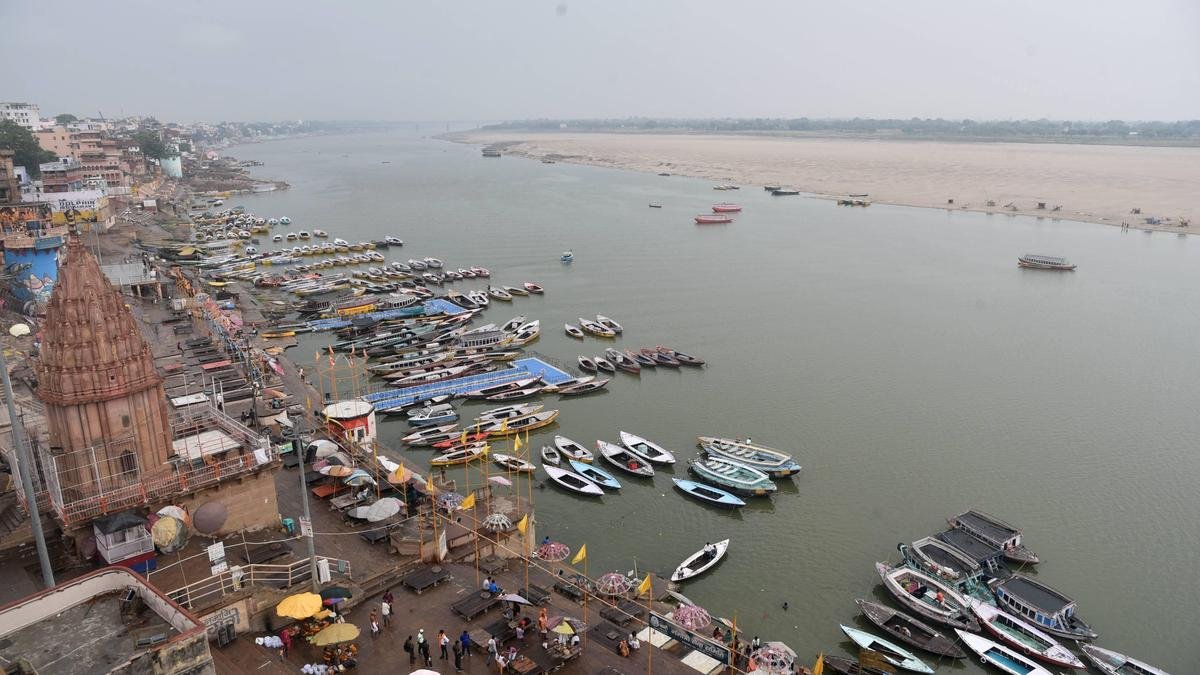
Uttar Pradesh Strengthens River Conservation Efforts
The Uttar Pradesh government has intensified its efforts to ensure zero discharge of untreated waste into rivers across the state. Authorities have adopted a multi-layered monitoring system that includes drone surveys, real-time inspections, and strict enforcement measures. The initiative aims to protect river ecosystems and improve water quality in major rivers, including the Ganga, Yamuna, Gomti, and Hindon.
Moreover, the state government has directed departments to identify pollution sources and eliminate unauthorized discharges at the earliest.
Drone Surveys to Monitor Pollution Sources
As part of the new strategy, officials are conducting drone surveys to identify drains, illegal outlets, and industrial units that release untreated wastewater into rivers.
Furthermore, drones help authorities monitor large stretches of riverbanks quickly and accurately. The technology enables officials to detect violations that may otherwise go unnoticed during routine inspections.
As a result, enforcement agencies can take faster action against polluters.
Multi-Layered Monitoring System Introduced
The government has established a comprehensive monitoring framework to track river pollution. This system combines drone surveillance, field inspections, satellite mapping, and data collected from sewage treatment facilities.
Additionally, local bodies and pollution control authorities are working together to ensure continuous monitoring of river health.
Therefore, officials expect improved coordination and quicker responses to environmental violations.
Focus on Sewage Treatment Infrastructure
The state is also expanding sewage treatment capacity to prevent untreated wastewater from entering rivers. Several sewage treatment plants (STPs) are being upgraded, while new facilities are under construction in urban and semi-urban areas.
Moreover, authorities are reviewing the performance of existing treatment plants to ensure they operate efficiently.
Consequently, the government aims to significantly reduce pollution levels in major water bodies.
Industrial Units Under Strict Watch
Industries located near rivers are facing increased scrutiny under the new plan. Pollution control teams are inspecting industrial facilities to verify compliance with environmental regulations.
Furthermore, authorities have warned that strict action will be taken against units found discharging untreated effluents into rivers.
As a result, industries are being encouraged to adopt sustainable waste management practices.
Protecting Water Resources and Public Health
Clean rivers play a crucial role in supporting agriculture, drinking water supplies, biodiversity, and public health. Officials believe that reducing pollution will improve water quality and benefit millions of residents across Uttar Pradesh.
Additionally, healthier river ecosystems can support tourism, fisheries, and other economic activities linked to water resources.
Therefore, river conservation remains a key environmental priority for the state.
Government Targets Sustainable Development
The zero-discharge initiative aligns with broader environmental and sustainable development goals. Authorities aim to balance economic growth with environmental protection through better waste management and stricter monitoring mechanisms.
Moreover, the use of technology-driven solutions such as drones demonstrates the government’s focus on modernizing environmental governance.
Consequently, Uttar Pradesh hopes to become a model for river conservation efforts across India.
Conclusion
Uttar Pradesh’s decision to pursue zero discharge into rivers through drone surveys and a multi-layered monitoring system marks a significant step toward environmental protection. By strengthening surveillance, expanding sewage treatment infrastructure, and enforcing pollution control measures, the state aims to improve river health and safeguard water resources.
Furthermore, the initiative highlights the growing role of technology in addressing environmental challenges and promoting sustainable development.