Government Tightens Rules on Cough Syrup Sales
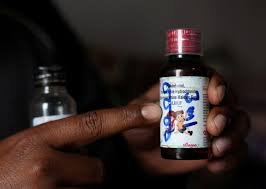
The Union Health Ministry has introduced stricter regulations on the sale of cough syrups, mandating that these medicines can now be sold only through licensed pharmacies, including in smaller villages and rural areas. The move is aimed at improving drug safety, preventing misuse, and strengthening regulatory oversight across the country.
Moreover, the decision follows growing concerns over the safety and quality of cough syrups after contamination-linked incidents and child deaths in several countries were traced to India-manufactured products.
What Has Changed?
Previously, certain cough syrups were covered under exemptions that allowed their sale by vendors holding restricted retail licenses in villages and small towns with limited access to pharmacies. This often enabled over-the-counter purchases without prescriptions and sometimes through non-pharmaceutical retail outlets.
Under the new notification issued on June 15, 2026, cough syrups have been removed from the exemption list. As a result, their sale and dispensing must now take place only through duly licensed pharmacies in accordance with the Drugs and Cosmetics Act.
Prescription Requirement Strengthened
Reports indicate that the government has also moved to make syrup-based medicines, including cough syrups, prescription-only products. Consumers may now be required to present a valid prescription from a registered medical practitioner before purchasing these medicines.
Furthermore, health experts have welcomed the move, arguing that cough syrups are often misused for self-medication and may mask underlying medical conditions requiring proper diagnosis.
Triggered by Safety Concerns
India has faced increased scrutiny in recent years after several India-made cough syrups were linked to more than 140 child deaths in Africa and Central Asia. Investigations found contamination with toxic substances such as diethylene glycol (DEG) and ethylene glycol in some products.
Additionally, regulators have conducted extensive inspections of manufacturing facilities, with authorities reporting that nearly 90% of cough syrup manufacturers have been inspected and action taken against non-compliant units.
Benefits for Public Health
The Health Ministry believes the new regulations will:
- Promote responsible use of cough syrups.
- Reduce self-medication and misuse.
- Strengthen regulatory compliance.
- Improve traceability and accountability in medicine distribution.
- Enhance patient safety, particularly in rural areas.
Moreover, stricter pharmacy-based dispensing is expected to ensure that patients receive proper guidance regarding dosage, usage, and potential side effects.
Impact on Rural Healthcare
While the regulation is intended to improve safety, it may also require improvements in access to licensed pharmacies in remote areas. Authorities are expected to work with state governments and drug regulators to ensure that legitimate access to essential medicines is not disrupted.
Furthermore, the move aligns with broader efforts by the government to strengthen pharmaceutical quality standards and public confidence in India’s healthcare system.
Conclusion
The Health Ministry’s decision to restrict cough syrup sales in smaller villages to licensed pharmacies marks a significant step toward improving drug safety and regulatory oversight. By ending exemptions that allowed wider retail sale and strengthening prescription requirements, the government aims to reduce misuse and protect public health.
Moreover, the policy reflects India’s broader efforts to enhance pharmaceutical regulation and prevent the recurrence of contamination-related tragedies linked to cough syrups.