Breakthrough Agreement Signals Major Diplomatic Shift
In a significant development for West Asia, the United States and Iran have confirmed the signing of a Memorandum of Understanding (MoU) designed to end nearly four months of conflict and pave the way for broader diplomatic engagement. The agreement is being viewed as a major step toward de-escalating tensions that have disrupted regional stability, global energy markets, and maritime trade routes.
Moreover, officials from both countries have indicated that the MoU establishes a framework for future negotiations on key issues, including regional security, sanctions, and maritime navigation.
MoU Signed by Senior Leaders
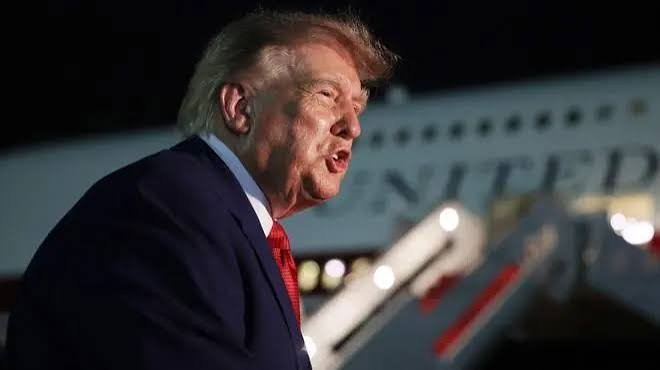
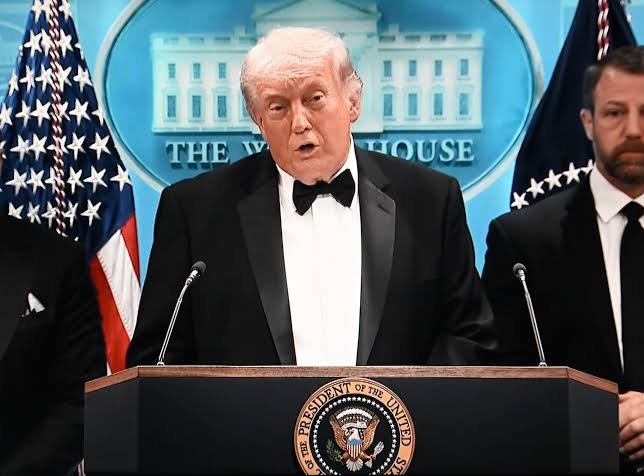
According to reports, the memorandum was digitally signed by US President Donald Trump, Vice President JD Vance, and Iranian Parliament Speaker Mohammad Bagher Qalibaf. A formal signing ceremony is expected to take place in Switzerland later this week.
Furthermore, officials described the agreement as an important confidence-building measure aimed at reducing hostilities and creating conditions for long-term dialogue.
Strait of Hormuz Reopening a Key Component
One of the most significant aspects of the MoU is the gradual reopening of the Strait of Hormuz, a crucial maritime corridor through which a substantial portion of the world’s oil and gas supplies passes. The closure of the strait during the conflict had disrupted shipping and contributed to volatility in global energy markets.
Additionally, officials have stated that maritime traffic through the waterway is expected to increase gradually as security conditions improve and mine-clearance operations proceed.
Framework for Future Negotiations
While the MoU marks a major diplomatic breakthrough, it does not resolve all outstanding issues between Washington and Tehran. Reports indicate that negotiations will continue on matters such as Iran’s nuclear programme, sanctions relief, frozen assets, and broader regional security arrangements.
Moreover, both sides have acknowledged that further technical discussions will be necessary before a comprehensive settlement can be achieved.
Economic and Energy Market Implications
Financial markets have reacted positively to the announcement, with expectations that reduced tensions could stabilize energy supplies and improve confidence in global trade routes. Analysts believe that the reopening of the Strait of Hormuz could help ease pressure on oil prices and reduce uncertainty in international energy markets.
Furthermore, the agreement could create opportunities for broader economic engagement if subsequent negotiations lead to sanctions relief and increased regional stability.
Challenges Remain
Despite the optimism surrounding the agreement, several challenges remain unresolved. Questions persist regarding implementation mechanisms, verification measures, regional security guarantees, and the future role of various regional actors. Some political groups in both countries have also expressed reservations about the deal.
Consequently, observers caution that the success of the MoU will depend on sustained diplomatic engagement and compliance by all parties involved.
Regional Significance
The agreement is being closely watched by governments across West Asia and beyond. Many countries have welcomed the move as an opportunity to reduce military tensions, safeguard maritime trade, and encourage broader regional dialogue.
Moreover, a successful implementation of the MoU could contribute to greater stability in a region that has experienced repeated cycles of conflict and geopolitical rivalry.
Conclusion
The confirmation by the United States and Iran that they have signed an MoU aimed at ending four months of conflict represents a potentially historic moment in West Asian diplomacy. While substantial challenges remain, the agreement provides a framework for reducing hostilities, reopening the Strait of Hormuz, and advancing negotiations on long-standing disputes.
Moreover, the coming weeks will be crucial in determining whether the memorandum evolves into a lasting peace arrangement capable of delivering stability, economic recovery, and improved regional cooperation.