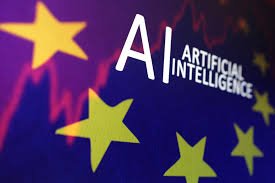
The European Union AI regulations are once again in focus as the bloc moves to tighten oversight on artificial intelligence technologies used by major tech companies. The new proposals aim to strengthen accountability, improve transparency, and ensure safer deployment of AI systems across industries.
The European Union has already introduced the Artificial Intelligence Act, which came into force in 2024 and is set to be fully लागू by 2026. This landmark legislation is considered the world’s first comprehensive legal framework governing artificial intelligence, establishing rules based on the level of risk posed by AI systems. ()
Under the proposed stricter measures, AI systems categorized as “high-risk” — such as those used in healthcare, finance, and critical infrastructure — will face tighter compliance requirements. Companies developing such technologies must ensure proper documentation, human oversight, and risk assessment before deployment. ()
Recent discussions within the EU also include bans on certain harmful AI practices. For instance, lawmakers are pushing to prohibit the creation of non-consensual deepfake content and other forms of exploitative AI-generated media. ()
At the same time, regulators are trying to balance innovation with control. Some proposals suggest delaying certain strict provisions for high-risk AI systems until 2027, giving companies more time to adapt and comply with the new framework. ()
The push for stronger regulation comes amid rising concerns about cybersecurity and misuse of AI technologies. European authorities have warned that AI could increase the speed and complexity of cyber threats, making stricter oversight essential to protect businesses and citizens. ()
Another key aspect of the EU’s approach is its global reach. The regulations apply not only to companies based in Europe but also to any organization offering AI-driven services within the EU market. This means that major global tech firms must comply with these rules regardless of where they are headquartered. ()
Industry reactions have been mixed. While some companies support clearer guidelines that build user trust, others argue that overly strict rules could slow innovation and reduce competitiveness against countries with more flexible AI policies.
Experts believe that the European Union AI regulations could set a global standard, much like the EU’s earlier data protection law, GDPR. As countries around the world develop their own AI frameworks, the EU model may influence international regulatory trends. ()
In conclusion, the European Union’s move to impose stricter AI regulations highlights the growing importance of governing emerging technologies. While the challenge remains to strike the right balance between innovation and safety, the EU’s proactive stance signals a major shift in how artificial intelligence will be regulated worldwide.