The Israel–Palestine tensions rise once again as renewed border clashes and military operations escalate across the Gaza Strip and surrounding regions. Despite earlier ceasefire efforts, fresh violence has erupted, raising concerns about a prolonged and widening conflict in the Middle East.
- The Guardian
- Reuters
- The Guardian
- United Nations
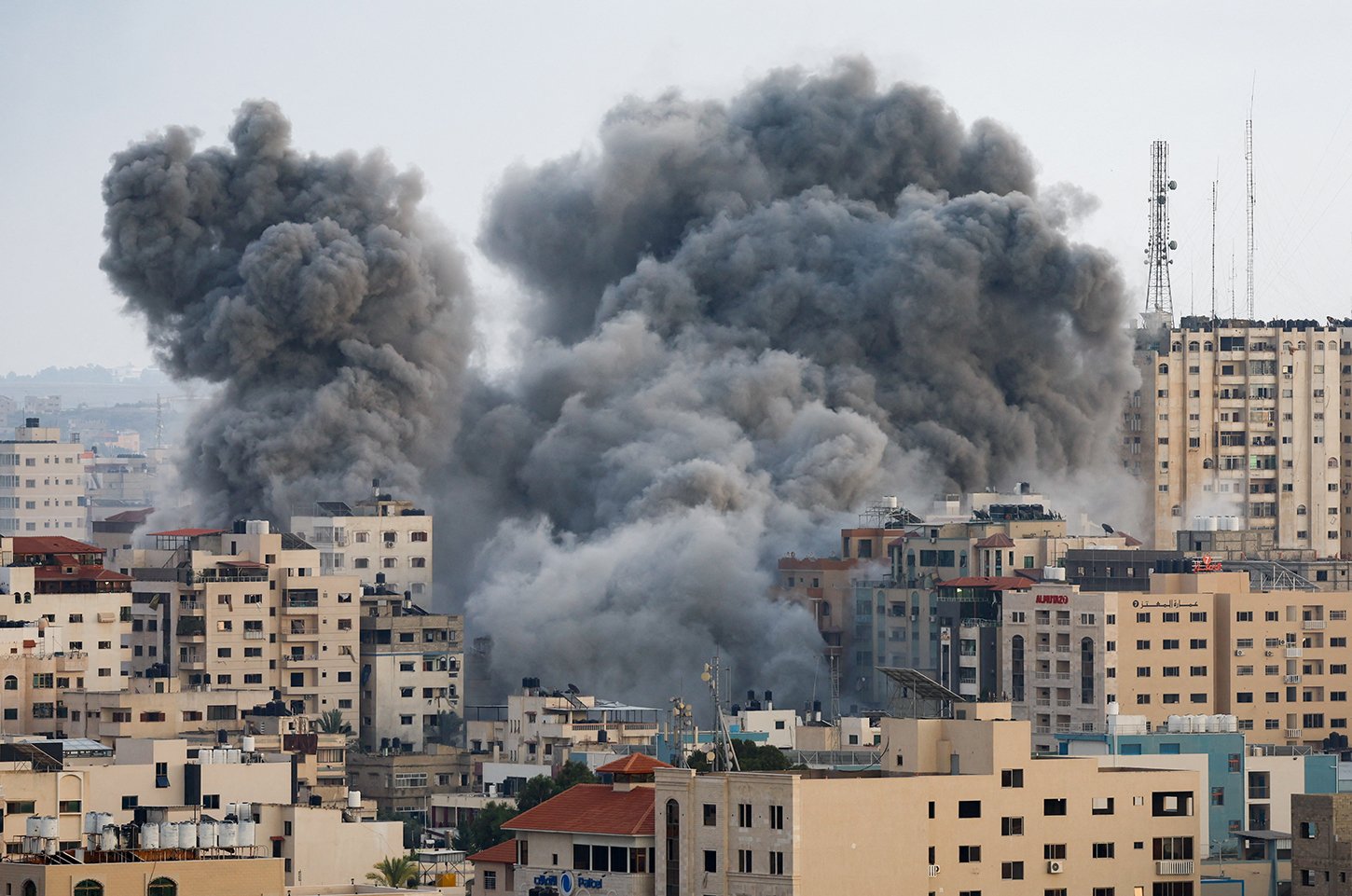
Recent reports indicate that Israeli airstrikes and cross-border exchanges have intensified in Gaza, with multiple casualties reported in the past week. At least five Palestinians were killed in fresh strikes across different parts of Gaza, highlighting the fragile nature of the existing ceasefire agreements. ()
Clashes have also spread beyond Gaza, with violence reported along the Israel–Lebanon border. In one of the deadliest days since a temporary truce began, Israeli airstrikes killed at least 14 people in southern Lebanon, signaling that tensions are no longer confined to a single front. ()
The conflict, which escalated significantly after the October 2023 attacks, has continued to evolve into a complex regional crisis. Ongoing military operations, including drone strikes, artillery fire, and ground incursions, have contributed to instability across multiple borders. ()
Another major concern is the gradual expansion of military-controlled zones within Gaza. Reports suggest that Israeli forces have extended buffer zones deeper into the territory, increasing pressure on civilians and limiting movement. These developments have drawn criticism from international organizations, which warn about potential humanitarian and legal consequences. ()
The humanitarian situation remains critical. According to recent assessments, tens of thousands of Palestinians have been killed or injured since the conflict began, with many more displaced and lacking access to basic necessities such as food, water, and medical care. ()
Diplomatic efforts to stabilize the situation have so far yielded limited results. Although temporary ceasefires have been announced, violations by both sides have prevented long-term peace. Negotiations continue to face challenges due to deep-rooted political, territorial, and security disagreements. ()
Global reactions have been swift, with the United Nations and several countries urging restraint and calling for renewed dialogue. Human rights organizations have also raised concerns about civilian safety and compliance with international law amid ongoing military actions. ()
As the Israel–Palestine tensions rise, experts warn that the situation could further escalate into a broader regional conflict involving neighboring countries and militant groups. The continued instability not only threatens regional peace but also has wider implications for global security and economic stability.
In conclusion, the renewed border clashes mark another critical phase in the long-standing conflict. With violence persisting despite ceasefire attempts, the path to peace remains uncertain, and the international community continues to monitor developments closely.