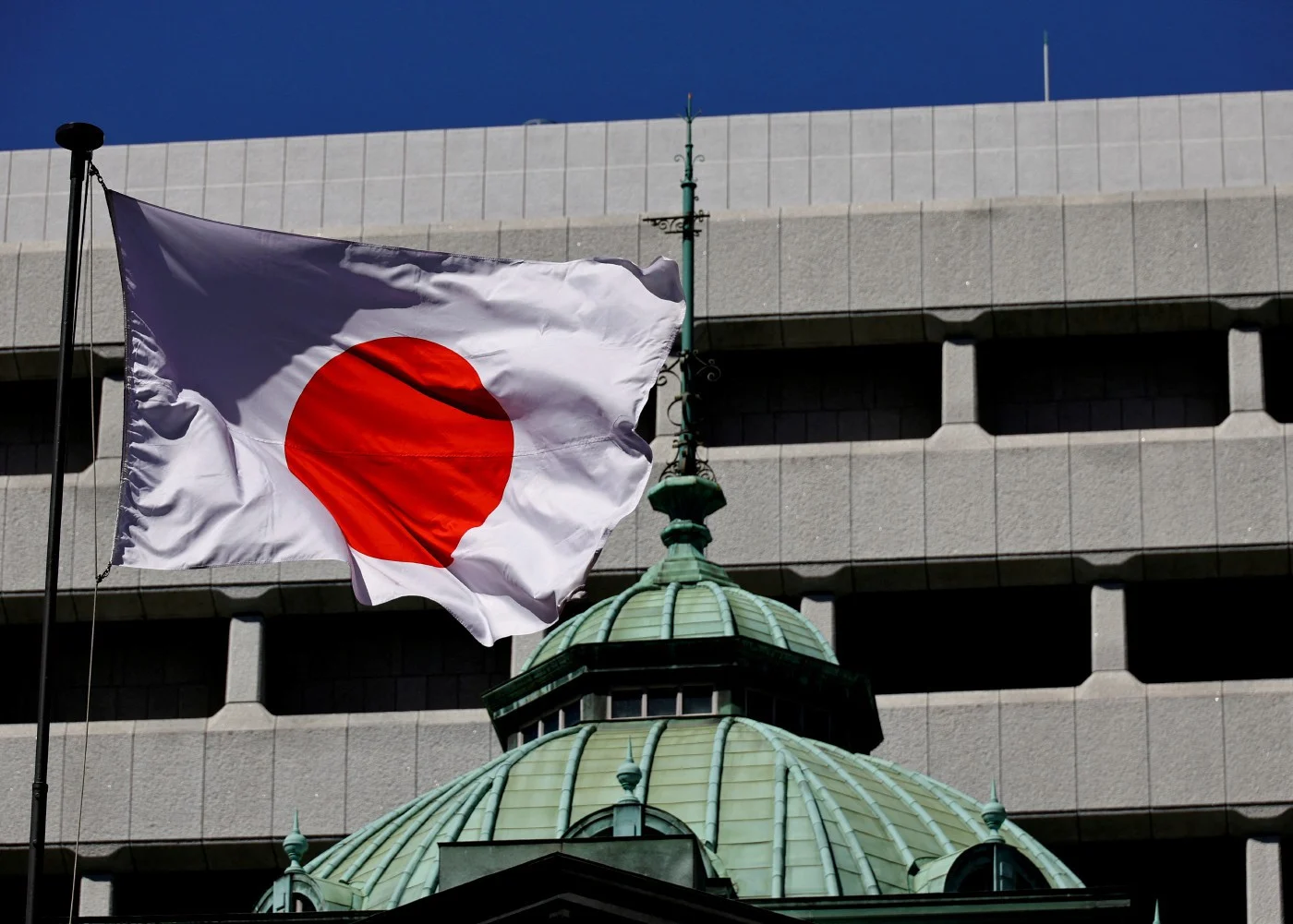
The Japan economic stimulus package has taken center stage as the government moves to support growth and stabilize the economy amid rising inflation and global uncertainties. The newly proposed measures aim to provide relief to households, strengthen businesses, and accelerate long-term economic development.
The government of Japan, led by Sanae Takaichi, has introduced a large-scale fiscal plan worth over ¥21 trillion (approximately $135 billion). This marks one of the biggest stimulus efforts in recent years, reflecting the urgency of addressing economic challenges such as inflation, weak consumer demand, and global market volatility.
The stimulus package is built around three major pillars. First, it focuses on easing the burden of rising prices on households. This includes subsidies for electricity and gas bills, cash handouts for families, and tax relief measures aimed at increasing disposable income. These steps are expected to support consumer spending, which is a key driver of economic growth.
Second, the plan emphasizes investment in growth sectors such as artificial intelligence, semiconductors, and advanced technologies. By promoting innovation and supporting strategic industries, the government aims to enhance Japan’s global competitiveness and create new job opportunities.
The third pillar focuses on strengthening national resilience and regional development. Increased funding for local governments and small and medium-sized enterprises (SMEs) is expected to boost economic activity across rural areas. This approach aims to reduce regional disparities and ensure more balanced growth throughout the country.
Economic experts believe that the Japan economic stimulus package could significantly boost short-term growth while helping control inflation. Estimates suggest that the package may increase GDP growth and support economic recovery in 2026, especially as global uncertainties continue to affect trade and energy markets.
However, the stimulus has also raised concerns about Japan’s already high public debt levels. Funding such a large package may require additional government bond issuance, which could put pressure on financial markets and increase borrowing costs.
Despite these concerns, the government has defended its approach, stating that proactive fiscal policy is essential to maintain economic stability. Officials have emphasized that without growth, fiscal sustainability cannot be achieved, highlighting the need for strategic spending to strengthen the economy.
The timing of the stimulus is also crucial. With global uncertainties such as rising oil prices and geopolitical tensions impacting economies worldwide, Japan is aiming to shield its domestic economy from external shocks while positioning itself for future growth.
In conclusion, the Japan economic stimulus package represents a major effort to revive economic momentum and address structural challenges. While it offers immediate relief and long-term opportunities, its success will depend on effective implementation and the government’s ability to balance growth with fiscal responsibility.