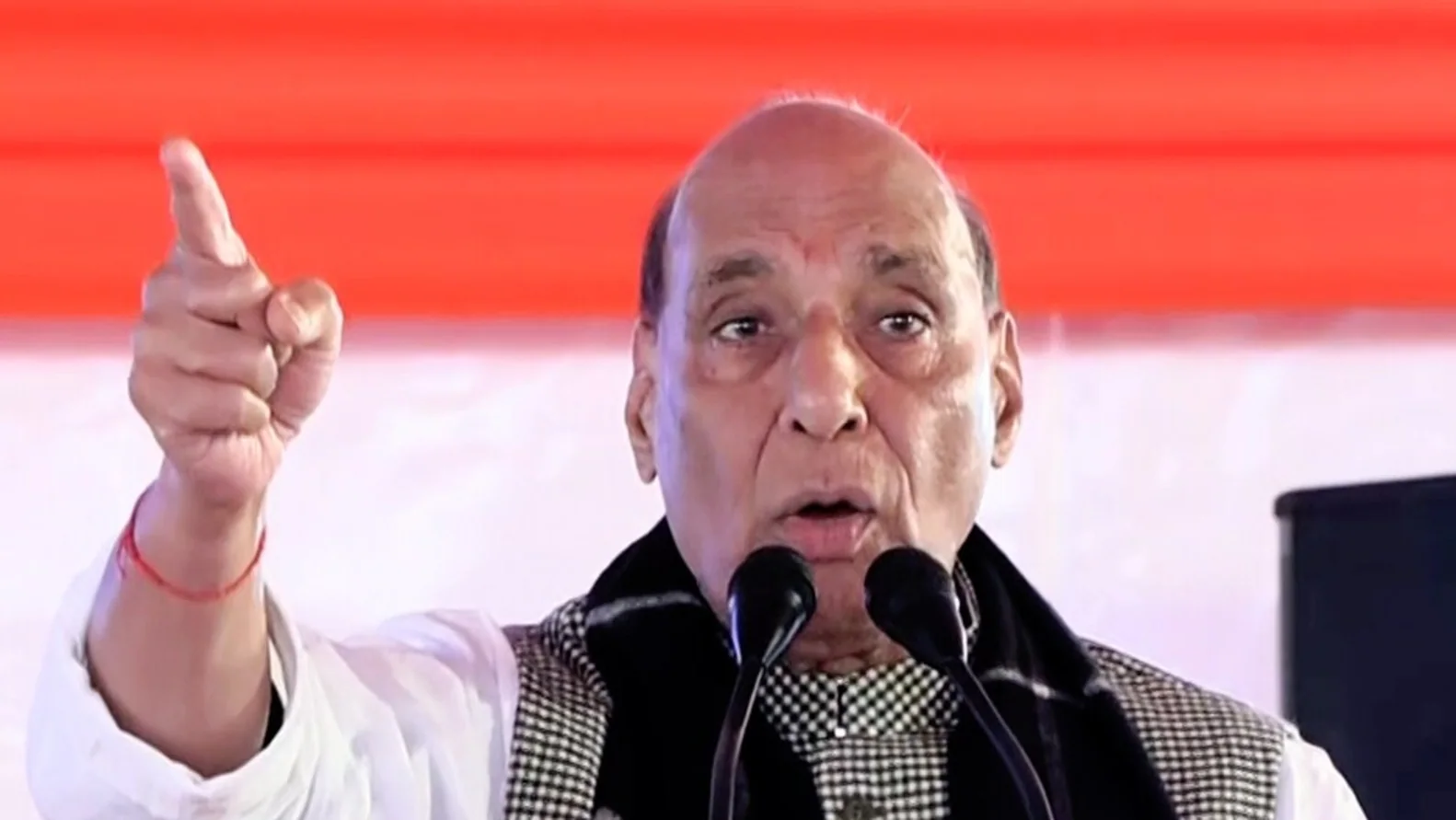
India will not tolerate any form of nuclear blackmail says Rajnath Singh during a strong statement made by India’s Defence Minister amid rising regional security concerns. Rajnath Singh emphasized that India remains fully prepared to protect its sovereignty and national interests against any threats involving nuclear intimidation.
His remarks have drawn national and international attention because they come at a time when geopolitical tensions and security challenges continue to dominate global discussions.
Rajnath Singh’s Strong Message on National Security
While addressing an event, Rajnath Singh stated that India follows a responsible nuclear policy but will not bow to pressure or threats.
What Did Rajnath Singh Say?
According to reports, the Defence Minister made it clear that:
- India believes in peace and stability
- National security remains the government’s top priority
- Any attempt at nuclear coercion will not be accepted
- The armed forces are fully capable of safeguarding the country
His statement underlined India’s firm strategic and defence posture.
India’s Nuclear Policy
India has consistently maintained a balanced and responsible nuclear doctrine.
Key Features of India’s Nuclear Doctrine
No First Use Policy
India follows a “No First Use” policy, which means nuclear weapons would only be used in retaliation to a nuclear attack.
Credible Minimum Deterrence
The country maintains sufficient nuclear capability to deter threats while avoiding unnecessary escalation.
Commitment to Peace
India has repeatedly supported global nuclear disarmament and strategic stability.
At the same time, the government has made it clear that national security cannot be compromised.
Why the Statement Matters
The statement that India will not tolerate any form of nuclear blackmail says Rajnath Singh is significant for several reasons.
Regional Security Concerns
South Asia continues to face security challenges linked to border tensions, terrorism, and geopolitical rivalries. Strong statements from defence leadership are often viewed as signals of preparedness.
Strategic Deterrence
India’s response highlights its intention to maintain deterrence while avoiding escalation.
Message to the International Community
The statement also reinforces India’s position as a responsible nuclear power that prioritizes peace but remains ready to defend itself when required.
Global Reactions and Strategic Importance
Security experts believe such remarks carry diplomatic and strategic importance.
Possible Implications
- Reinforces India’s defence preparedness
- Sends a message against nuclear intimidation
- Highlights the importance of regional stability
- Draws international attention to security developments in South Asia
Several analysts have also pointed out that strong deterrence policies often help maintain strategic balance in sensitive regions.
India’s Defence Preparedness
India has continued to modernize its defence infrastructure and strategic capabilities in recent years.
Focus Areas
Military Modernisation
The government has increased focus on advanced defence systems and indigenous manufacturing.
Border Security
Enhanced surveillance and deployment continue in sensitive border regions.
Strategic Coordination
India works closely with global partners on defence and security cooperation.
These measures are aimed at strengthening national security while maintaining regional peace.
Conclusion
The statement that India will not tolerate any form of nuclear blackmail says Rajnath Singh reflects India’s firm stand on national security and strategic deterrence. While the country continues to advocate peace and responsible diplomacy, it has also made clear that any threat to sovereignty will be dealt with firmly.
As geopolitical uncertainties continue globally, India’s security posture and defence policies are expected to remain a key focus in regional and international affairs.