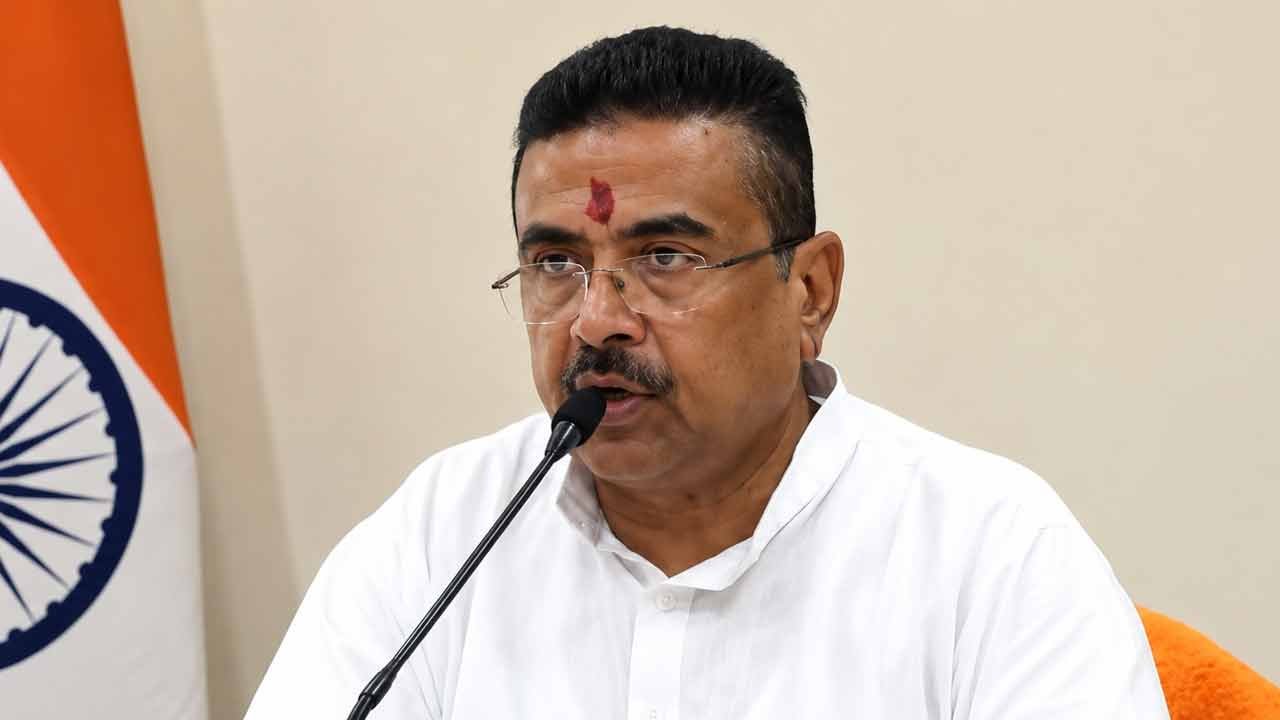
West Bengal govt directive on statements by govt employees to media has emerged as an important administrative development after the state government issued fresh instructions regulating how government employees communicate with the press and disclose official information. The directive emphasizes maintaining discipline, confidentiality, and proper communication protocols within government departments.
The move comes amid increasing focus on administrative transparency, official accountability, and responsible dissemination of information in the digital era.
What is the New Directive Issued by the West Bengal Government?
The Government of West Bengal has reportedly instructed all government employees to refrain from making unauthorized statements to the media or sharing official documents and sensitive information without approval from competent authorities.
Major Highlights of the Directive
- Government employees must avoid unauthorized interaction with media platforms
- Official information cannot be disclosed without permission
- Confidential files and internal communications must remain protected
- Only authorized officials may present the government’s official position
The directive applies across various departments under the state administration.
Why Has the Government Issued This Directive?
The state government’s decision appears aimed at streamlining official communication and preventing misinformation.
Preventing Miscommunication
Unauthorized comments by officials can sometimes create confusion or conflicting narratives regarding government decisions and policies.
Maintaining Administrative Discipline
Governments often implement communication guidelines to ensure that official information is released in a structured and authorized manner.
Protecting Sensitive Information
Certain administrative matters involve confidential data related to governance, law and order, and policy decisions that require controlled handling.
Impact on Government Employees
The directive is expected to significantly influence how employees engage with journalists, social media, and public platforms.
Key Expectations from Employees
Restricted Media Interaction
Officials may need prior approval before speaking to the press on official matters.
Careful Handling of Documents
Internal files, circulars, and departmental information cannot be shared publicly without authorization.
Responsible Digital Conduct
Employees may also be expected to exercise caution while discussing official matters on online platforms.
The directive reinforces the importance of following existing service conduct rules.
Debate Over Transparency and Governance
The announcement has triggered discussions among administrative observers and political analysts.
Supporters Believe
- The directive will reduce misinformation
- Official communication will become more consistent
- Sensitive government matters will remain secure
Critics Argue
- It may restrict openness in governance
- Employees could become hesitant to speak on public issues
- Questions may arise regarding transparency and accountability
Such debates are common whenever governments tighten communication policies.
Government Communication Rules in India
Communication protocols for government employees are not new in India.
Common Administrative Guidelines Include
- Only authorized officers can issue official statements
- Confidential information must not be leaked
- Service conduct rules apply to media interactions
- Sensitive administrative matters require approval before disclosure
Most governments implement such rules to balance transparency with administrative responsibility.
Significance of the Directive
The directive highlights the growing importance of information management in governance.
Why It Matters
- Strengthens institutional discipline
- Ensures centralized and verified communication
- Reduces the risk of misinformation
- Protects confidential government processes
In today’s digital age, governments are increasingly cautious about how official information reaches the public.
Conclusion
The development regarding the West Bengal govt directive on statements by govt employees to media reflects the state government’s focus on maintaining administrative discipline and structured communication. While the directive aims to ensure responsible handling of official information, discussions around transparency and public accountability are also expected to continue.
As media and digital communication continue to evolve, governments across the country are likely to place greater emphasis on formal communication protocols in the future.