Washington Looks Toward Islamabad Amid Escalating Iran Crisis
The United States is increasingly relying on Pakistan as a key mediator in efforts to prevent further escalation in the ongoing conflict involving Iran. American officials believe Islamabad could play an important diplomatic role in bridging communication gaps and helping move negotiations toward a possible ceasefire agreement.
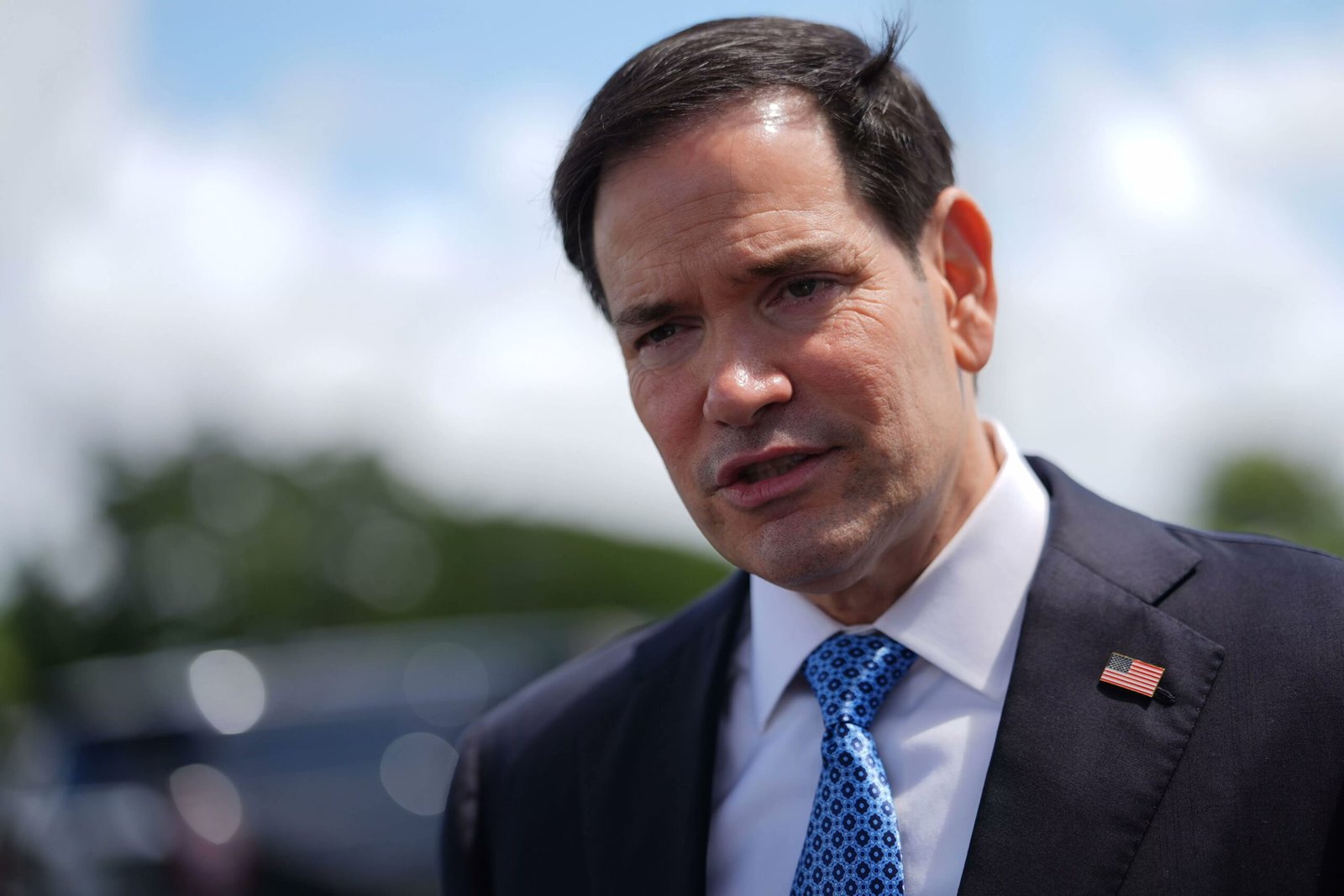
US Secretary of State Marco Rubio recently expressed optimism about diplomatic progress, saying there were “good signs” that negotiations could move forward with Pakistan’s involvement. The mediation efforts come as tensions between Washington and Tehran remain dangerously high over nuclear demands, maritime security, and military activity in the Gulf region.
Why Pakistan Has Become an Important Mediator
Pakistan has emerged as one of the few countries maintaining communication channels with both the United States and Iran during the crisis. Diplomatic sources indicate that Pakistani officials have been actively carrying messages and revised proposals between the two sides in an attempt to prevent a wider regional war.
Analysts say Pakistan’s geographical position and its ties with Gulf countries, Iran, China, and the US place it in a unique position to facilitate dialogue. Islamabad is also deeply concerned about regional instability, as prolonged conflict near its borders could trigger economic and security challenges, including militant activity and disruption in energy supplies.
Talks Focused on Nuclear Program and Strait of Hormuz
The negotiations reportedly revolve around several major issues, including Iran’s nuclear activities, sanctions relief, reopening the Strait of Hormuz, and guarantees against future attacks. The strategic waterway remains critical for global oil shipments, and disruptions there have already impacted energy markets worldwide.
According to reports, the United States wants Iran to significantly limit uranium enrichment and reduce its nuclear stockpile, while Tehran is demanding sanctions relief, restoration of oil exports, and security guarantees before agreeing to broader concessions.
Trump Administration Balancing Diplomacy and Military Pressure
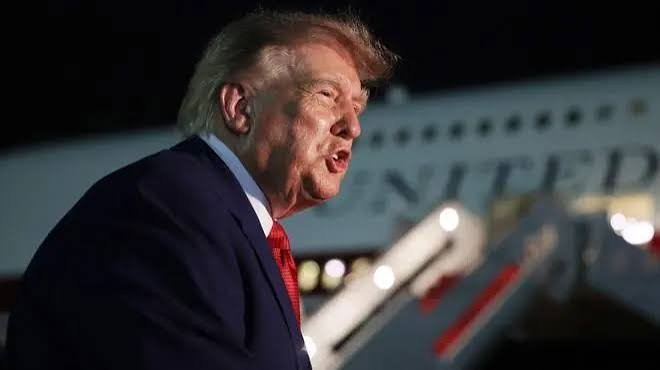
US President Donald Trump has publicly warned Iran that time for negotiations is running out, while also pausing additional military escalation to allow diplomatic efforts to continue. Reports suggest the White House is weighing both diplomatic and military options depending on Tehran’s response in the coming days.
Meanwhile, US Central Command (CENTCOM) has continued showcasing military readiness in the region, indicating that Washington remains prepared for possible escalation if talks collapse.
Regional and Global Concerns Continue to Rise
The conflict has already caused serious concern in global financial and energy markets. Oil prices have remained volatile due to fears of disruptions in Gulf shipping lanes and possible attacks on energy infrastructure. International observers worry that any major breakdown in talks could trigger broader instability across the Middle East.
Pakistan’s mediation efforts are also receiving attention from countries such as Saudi Arabia, Qatar, China, and the UAE, all of which have strong interests in preventing a full-scale regional conflict.
Diplomatic Push Still Faces Major Challenges
Despite renewed negotiations, major disagreements remain unresolved. Iran continues to insist on maintaining parts of its nuclear program and retaining strategic leverage in the Strait of Hormuz, while the United States wants stricter commitments and long-term restrictions.
Experts believe Pakistan’s mediation may help keep communication channels open, but a permanent breakthrough will depend on whether both sides are willing to compromise on core security and political demands.
Conclusion
As tensions between the United States and Iran continue to threaten regional stability, Pakistan has stepped into an increasingly important diplomatic role. Washington’s growing reliance on Islamabad as a mediator highlights the urgent international effort to prevent another major conflict in the Middle East and restore stability to one of the world’s most sensitive geopolitical regions.