Breakthrough Could Improve Future Renewable Energy Storage Systems
Researchers have developed a cost-effective and high-performance thermal battery material that could significantly improve clean energy storage technologies. The innovation is expected to support renewable energy systems by enabling more efficient storage and release of thermal energy for industrial and domestic applications.
The newly developed material has been designed to store heat energy efficiently and release it when required, making it suitable for applications such as solar energy systems, industrial heating, electricity generation, and sustainable energy management. Scientists believe the breakthrough could help reduce dependence on fossil fuels and strengthen clean energy infrastructure.
What Makes Thermal Batteries Important?
Thermal batteries are energy storage systems that store heat instead of electricity. They play an important role in renewable energy systems because they can preserve excess heat generated from sources such as solar power and release it later when energy demand increases.
Unlike traditional batteries, thermal batteries are often considered more sustainable for large-scale energy storage because they can operate using inexpensive and environmentally friendly materials. They are especially useful in industries where heat management and energy efficiency are critical.
Focus on Low Cost and High Efficiency
According to researchers, one of the biggest challenges in thermal energy storage has been balancing performance with affordability. Many existing high-performance materials are expensive or difficult to produce on a large scale.
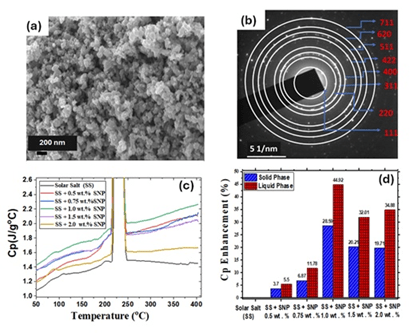
The newly developed material reportedly addresses these limitations by combining strong thermal storage capacity with lower production costs. Scientists involved in the project stated that the material demonstrated high energy retention, improved thermal stability, and efficient heat transfer during testing.
The innovation may help industries adopt cleaner energy systems without significantly increasing operational costs.
Potential Applications Across Multiple Sectors
Experts say the thermal battery material could have applications in several sectors, including:
Renewable Energy Systems
The material can support solar thermal plants and other renewable energy projects by storing excess heat for later use.
Industrial Energy Management
Industries that require continuous heating processes may use the technology to improve energy efficiency and reduce fuel consumption.
Residential and Commercial Heating
Thermal batteries could eventually be integrated into buildings and smart energy systems to store heat more efficiently.
Grid Stability and Energy Backup
Large-scale thermal storage systems may help stabilize power grids by balancing fluctuations in renewable energy generation.
Supporting the Global Clean Energy Transition
The development comes at a time when countries worldwide are investing heavily in renewable energy and sustainable technologies to reduce carbon emissions. Efficient energy storage remains one of the biggest challenges in the clean energy transition, particularly for solar and wind power systems that depend on weather conditions.
Researchers believe innovations in thermal storage technology can play a major role in improving energy reliability and supporting long-term sustainability goals.
Researchers Emphasize Scalability
Scientists involved in the project reportedly highlighted that the material is not only efficient but also scalable for larger industrial applications. They noted that future research will focus on improving durability, optimizing performance, and exploring commercial production opportunities.
Energy experts say affordable thermal storage systems could become increasingly important as governments and industries seek alternatives to conventional energy sources.
Conclusion
The development of a low-cost, high-performance thermal battery material marks an important advancement in clean energy storage technology. By improving heat storage efficiency while keeping costs manageable, the innovation could support renewable energy adoption and contribute to a more sustainable energy future.