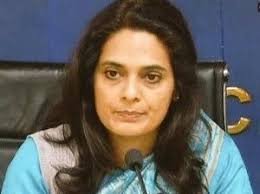
IAS officer Pooja Joshi has been granted premature repatriation to her parent cadre in an important administrative development. The decision marks a significant change in her administrative assignment and reflects routine cadre management procedures followed in the civil services system.
Premature repatriation refers to the process where an officer serving on deputation is relieved before the completion of the normal deputation tenure and is sent back to their original or parent cadre. Such decisions are generally taken based on administrative requirements, cadre management considerations, or government approvals.
The repatriation of Pooja Joshi IAS has drawn attention within administrative circles as cadre transfers and deputation-related decisions play a key role in the functioning of the civil services system.
Important Administrative Development
Pooja Joshi IAS had been serving on deputation in an assigned administrative role before the approval of her premature repatriation. With this decision, she will now return to her parent cadre for further assignment and administrative responsibilities.
The process of premature repatriation is usually carried out through official approval mechanisms involving:
- Concerned departments and ministries
- Cadre controlling authorities
- State and central government coordination
- Administrative review and approvals
Such decisions are considered part of routine administrative restructuring and personnel management within the bureaucracy.
Understanding Premature Repatriation
In the Indian administrative system, IAS officers are often deputed to different departments, ministries, organizations, or government bodies for fixed tenures. However, in certain situations, officers may be recalled or repatriated before completion of their tenure.
Premature repatriation may occur due to:
- Administrative requirements
- Organizational restructuring
- Cadre-related needs
- Policy and governance priorities
- Mutual agreement between departments
The officer then resumes responsibilities within their parent cadre or state administration.
Role of IAS Officers in Administration
IAS officers hold key positions in governance, policy implementation, and public administration across various sectors. Their postings and transfers are managed carefully to ensure efficient governance and effective implementation of government programs.
Officers serving on deputation often work in:
- Central ministries
- Government departments
- Public sector organizations
- Autonomous bodies
- Administrative and policy institutions
These assignments help in strengthening coordination between state and central administrative systems.
Importance of Cadre Management
Cadre management is an important aspect of civil services administration in India. Transfers, deputations, and repatriations are carried out to ensure:
- Administrative efficiency
- Proper utilization of officer experience
- Balanced governance structures
- Smooth functioning of departments
- Effective policy implementation
The government regularly reviews postings and administrative requirements to make decisions regarding officer placements.
Focus on Administrative Coordination
Administrative reshuffles and cadre movements are routine in governance systems and are aimed at improving institutional efficiency and coordination.
Such changes often help:
- Address administrative priorities
- Improve departmental functioning
- Strengthen governance mechanisms
- Utilize officer expertise effectively
- Ensure flexibility in administration
The premature repatriation of Pooja Joshi IAS is being viewed as part of these broader administrative management processes.
Conclusion
The decision granting premature repatriation to parent cadre for Pooja Joshi IAS marks an important administrative development within the civil services system.
As she returns to her parent cadre, her experience and administrative expertise are expected to contribute further toward governance and public administration in future assignments.