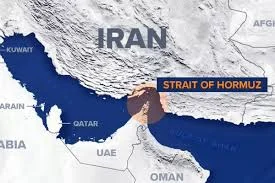
Amid continuing tensions surrounding the ongoing US-Iran conflict and negotiations over regional stability, Tehran has stated that the management of the strategically important Strait of Hormuz is an “Iranian-Omani issue,” while also confirming ongoing diplomatic discussions with Muscat (Oman) regarding maritime security and navigation in the Gulf region.
The statement comes at a crucial moment as global powers closely monitor developments involving:
- The Strait of Hormuz crisis
- US-Iran negotiations
- Oil supply disruptions
- Maritime security concerns
- Ceasefire and nuclear discussions
The Strait of Hormuz remains one of the world’s most important energy chokepoints, carrying a massive share of global oil and LNG shipments. Any disruption in the waterway directly impacts international energy markets and countries heavily dependent on imported oil, including India.
Tehran Emphasizes Iranian-Omani Coordination
Iranian officials reportedly clarified that management and navigation issues related to the Strait of Hormuz should primarily be handled through cooperation between Iran and Oman, rather than external intervention.
Officials also confirmed continued diplomatic engagement with Muscat regarding:
- Maritime transit security
- Shipping access
- Regional de-escalation efforts
- Gulf stability measures
Oman has long played a mediator role in Middle East diplomacy and has frequently hosted indirect talks between Tehran and Washington.
Why the Strait of Hormuz Matters
The Strait of Hormuz connects the Persian Gulf with global shipping routes and is considered one of the world’s most sensitive maritime passages.
Experts estimate that:
- Nearly one-fifth of global oil trade passes through Hormuz
- Large LNG shipments move through the route
- Any blockade affects global fuel prices immediately
Recent tensions in the region led to:
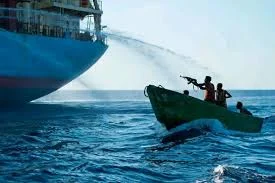
- Shipping disruptions
- Naval confrontations
- Higher insurance costs for vessels
- Rising crude oil prices worldwide
The ongoing crisis has already caused volatility in international oil markets.
Ongoing US-Iran Negotiations
The remarks from Tehran come as diplomatic efforts continue regarding a possible US-Iran peace framework involving:
- Reopening shipping lanes
- Sanctions relief
- Ceasefire arrangements
- Nuclear negotiations
However, major disagreements remain unresolved, particularly over:
- Uranium enrichment
- US sanctions on Iran
- Regional military activities
- Control and management of Hormuz
US Secretary of State Marco Rubio recently warned that Washington could pursue “another way” if diplomacy fails.
Oman’s Growing Diplomatic Role
Oman has emerged as a key diplomatic bridge during the crisis. Muscat has hosted multiple rounds of discussions involving Iranian officials and international mediators focused on reducing regional tensions.
Analysts say Oman’s neutral foreign policy and strategic location near the Strait of Hormuz make it central to any long-term maritime security arrangement in the Gulf.
The talks between Tehran and Muscat are reportedly focused on:
- Safe maritime navigation
- Reducing military escalation
- Maintaining regional trade routes
- Preventing further economic disruption
Global Oil Markets Watching Closely
International markets remain highly sensitive to developments related to Hormuz because disruptions directly influence:
- Crude oil prices
- Fuel inflation
- Shipping costs
- Global trade stability
Oil prices recently fluctuated sharply amid reports of progress and setbacks in US-Iran negotiations.
Energy experts warn that even limited instability in Hormuz can create significant economic consequences globally.
Regional Security Concerns Continue
The broader Gulf crisis has involved:
- Naval blockades
- Drone and missile threats
- Shipping restrictions
- Military build-ups in the Gulf region
Reports suggest maritime tensions remain high despite ongoing diplomatic contacts.
Several countries continue monitoring the situation closely because of the potential impact on global energy security.
Conclusion
Iran’s statement that the Strait of Hormuz management is an “Iranian-Omani issue” highlights Tehran’s attempt to reinforce regional control and reduce external influence over one of the world’s most critical maritime routes.
With negotiations continuing in Muscat and global oil markets reacting nervously, the future of the Strait of Hormuz remains central to the broader US-Iran conflict, regional diplomacy, and international energy security.