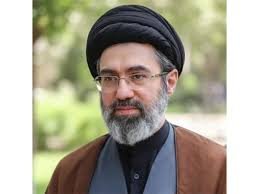
Iran’s Supreme Leader Mojtaba Khamenei is reportedly living under extreme secrecy at an undisclosed secure location amid rising regional tensions, ongoing US-Iran negotiations, and fears of possible assassination threats. Multiple international reports citing US intelligence sources claim that Khamenei has sharply restricted communications and is relying on a tightly controlled courier network to relay messages to senior Iranian officials.
The reports have intensified global speculation regarding:
- Iran’s internal leadership structure
- Security threats facing the regime
- Delays in US-Iran negotiations
- Military tensions in the Middle East
- Stability within Tehran’s power structure
Khamenei’s continued absence from public view has become a major point of discussion among diplomats, intelligence analysts, and global media outlets.
Reports Suggest Strict Secrecy Measures
According to reports citing US intelligence officials, Mojtaba Khamenei is operating from a highly secured hidden location with extremely limited direct communication access. Officials reportedly claim that even senior Iranian leaders do not know his exact whereabouts.
The reports suggest:
- Messages are transmitted through trusted couriers
- Electronic communication is being minimized
- Senior officials are avoiding direct contact
- Leadership decisions are experiencing delays
Analysts believe these measures are aimed at reducing the risk of targeted attacks and electronic surveillance.
Why Iran’s Leadership Is Under Tight Security
The extraordinary security arrangements reportedly intensified after the assassination of former Supreme Leader Ali Khamenei during the 2026 Iran conflict, following which Mojtaba Khamenei assumed leadership.
Reports indicate that:
- Iran’s leadership fears further targeted strikes
- Senior commanders are frequently changing locations
- Underground facilities and bunkers are being used
- Direct digital communication is heavily restricted
Security experts say the Iranian leadership now views communication exposure as a major national security risk.
Delays Affecting US-Iran Talks
Reports claim that the secrecy surrounding Mojtaba Khamenei has complicated ongoing negotiations involving:
- US-Iran ceasefire discussions
- Strait of Hormuz security
- Nuclear programme negotiations
- Sanctions relief talks
Because messages allegedly move slowly through human couriers, diplomatic responses from Tehran are reportedly delayed, frustrating negotiators and slowing decision-making processes.
Some intelligence officials reportedly compared the situation to a “highly compartmentalized wartime command structure.”
Absence From Public View Fuels Speculation
Mojtaba Khamenei has rarely appeared publicly since assuming power earlier this year after the death of his father, Ali Khamenei.
His prolonged absence has triggered speculation regarding:
- His health condition
- Possible injuries during earlier airstrikes
- Internal power struggles within Iran
- The actual balance of power inside the regime
Some reports previously suggested he suffered injuries during attacks targeting senior Iranian leadership locations.
However, Iranian officials have publicly maintained that the Supreme Leader remains fully in control of state affairs.
Communication Through Couriers
One of the most widely discussed aspects of the reports is the alleged use of a human courier network instead of digital communication systems.
According to reports:
- Messages are handwritten or verbally relayed
- Trusted couriers transport communications physically
- Vehicles and motorcycles are used on indirect routes
- Secure human chains are preferred over electronic systems
Experts believe Iran fears advanced surveillance capabilities from foreign intelligence agencies.
Global Attention on Iran’s Internal Stability
The secrecy surrounding Iran’s leadership has raised concerns internationally because Tehran remains deeply involved in:
- Gulf maritime tensions
- Strait of Hormuz negotiations
- Regional proxy conflicts
- Nuclear diplomacy
- Oil market stability
Global powers are closely watching whether Iran’s internal communication challenges could affect military decisions, ceasefire agreements, or diplomatic negotiations.
Strategic Importance of the Situation
Analysts believe the situation is important because leadership uncertainty inside Iran can directly influence:
- Oil prices
- Global energy security
- Middle East stability
- US-Iran relations
- Regional military escalation risks
Any disruption in Tehran’s command structure could have serious geopolitical consequences.
Conclusion
Reports claiming that Iran’s Supreme Leader Mojtaba Khamenei is living secretly at an undisclosed location have intensified speculation about Iran’s internal security situation and the future of ongoing diplomatic negotiations.
While Iranian authorities continue to insist that the leadership remains stable and operational, the extraordinary secrecy measures highlight the growing pressure and security concerns surrounding Tehran amid continuing regional tensions.