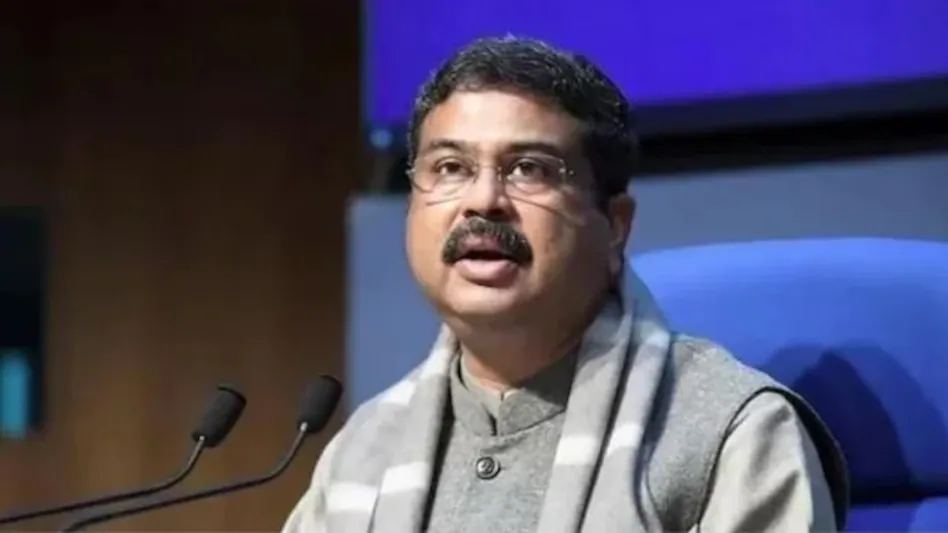
Dharmendra Pradhan Praises CBSE’s Digital Evaluation System
Union Education Minister Dharmendra Pradhan has described the Central Board of Secondary Education’s (CBSE) On-Screen Marking system as a “progressive instrument” that is helping improve transparency, efficiency, and accuracy in the evaluation process.
The minister’s remarks came while discussing reforms and modernization efforts in India’s education system. He emphasized that technology-driven assessment methods are playing an important role in strengthening the credibility of examinations and reducing errors in the evaluation process.
What is the CBSE On-Screen Marking System?
The On-Screen Marking (OSM) system is a digital evaluation process used by Central Board of Secondary Education (CBSE) for checking answer sheets electronically. Under this system, scanned copies of answer sheets are evaluated digitally by examiners through secure online platforms.
The technology-based system aims to improve speed, accuracy, and confidentiality in the examination process. It also reduces the possibility of manual handling errors and helps standardize evaluation practices across different regions.
CBSE has gradually expanded the use of digital assessment tools as part of broader educational reforms.
Focus on Transparency and Efficiency
According to Dharmendra Pradhan, the On-Screen Marking system supports fair evaluation and strengthens trust in examination results. Digital monitoring and centralized assessment systems help maintain consistency in marking standards.
Education experts believe that technology-enabled evaluation systems can significantly reduce delays in result processing and improve administrative efficiency in large-scale examinations.
The minister also highlighted the importance of adopting modern educational technologies to meet the needs of India’s growing student population.
Technology Transforming Education Sector
The Indian education system has increasingly adopted digital tools in recent years, including online learning platforms, digital classrooms, computer-based testing, and automated evaluation systems.
The CBSE On-Screen Marking system is seen as part of the broader effort to modernize academic administration and examination management.
Experts note that digital evaluation methods can also help improve data management, examiner accountability, and quality control during board examinations.
Benefits for Students and Examiners
The digital marking system offers several advantages for both students and evaluators. These include:
- Faster evaluation process
- Improved accuracy in marking
- Reduced chances of human error
- Better confidentiality and security
- Uniform marking standards
- Easier monitoring of examiner performance
Officials believe such reforms can help make India’s examination system more transparent and student-friendly.
Education Reforms and Digital India Vision
The government has been promoting the use of technology in education under broader digital transformation initiatives. From online admissions to digital assessments, educational institutions are increasingly integrating technology into academic systems.
Dharmendra Pradhan has repeatedly emphasized the importance of innovation and modernization in improving learning outcomes and administrative efficiency.
The adoption of digital evaluation systems also aligns with the objectives of the National Education Policy (NEP), which encourages the use of technology for improving educational quality and accessibility.
Conclusion
The appreciation expressed by Dharmendra Pradhan for CBSE’s On-Screen Marking system reflects the growing importance of technology-driven reforms in India’s education sector.
As educational institutions continue to modernize examination and evaluation processes, digital systems like On-Screen Marking are expected to play a major role in enhancing transparency, efficiency, and trust in academic assessments.