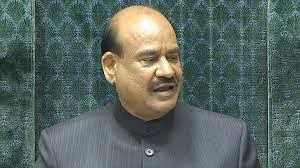
Om Birla Highlights Strength of Democratic Values
Lok Sabha Speaker Om Birla emphasized that democracy becomes stronger through dialogue, debate, and dissent. His remarks highlighted the importance of constructive discussions and healthy differences of opinion in maintaining a vibrant democratic system.
Speaking at a public event, the Speaker stressed that parliamentary institutions and democratic frameworks function effectively when diverse views are heard and respected. He noted that open discussions and participation are essential for nation-building and policy development.
Importance of Dialogue in Democracy
According to Om Birla, dialogue plays a crucial role in resolving differences and strengthening democratic institutions. He stated that communication and mutual understanding help create balanced decision-making processes in governance.
In democratic systems, elected representatives from different political ideologies come together to discuss issues affecting citizens. Debate allows lawmakers to examine policies from multiple perspectives before decisions are made.
The Speaker emphasized that meaningful discussions contribute to transparency, accountability, and better governance.
Debate and Dissent are Core Democratic Principles
Om Birla also highlighted that dissent should be viewed as an important component of democracy rather than a weakness. He said that differing opinions help improve policies and encourage deeper examination of national issues.
Political analysts often describe debate and dissent as the foundation of parliamentary democracy because they ensure that multiple voices are represented in public decision-making.
The Lok Sabha Speaker noted that democratic institutions become more effective when discussions remain respectful, constructive, and focused on public welfare.
Parliament’s Role in Democratic Governance
Lok Sabha, as the lower house of Parliament, plays a central role in shaping laws and national policies in India. Parliamentary debates allow representatives from across the country to raise concerns related to governance, economy, social welfare, and public interest.
The Speaker stressed the need for maintaining the dignity and productivity of parliamentary proceedings. He encouraged lawmakers to engage in healthy discussions while respecting democratic traditions and constitutional values.
Encouraging Youth Participation in Democracy
During his remarks, Om Birla also spoke about the importance of involving young people in democratic processes. He encouraged youth to actively participate in discussions related to governance, public policy, and nation-building.
Experts believe that increasing civic awareness among younger generations helps strengthen democratic systems and promotes responsible citizenship.
The Speaker emphasized that democracy flourishes when citizens remain informed, engaged, and willing to participate in constructive dialogue.
Democracy and Constitutional Values
India is recognized as one of the world’s largest democracies, where constitutional principles ensure freedom of speech, representation, and participation. Democratic institutions rely on open communication and respect for diverse opinions to function effectively.
Om Birla’s statement reflects broader democratic ideals that encourage tolerance, discussion, and peaceful resolution of differences within society.
Political observers noted that such messages reinforce the importance of maintaining democratic values in a rapidly changing political environment.
Conclusion
The remarks by Om Birla underline the significance of dialogue, debate, and dissent in strengthening democracy. His statement serves as a reminder that democratic systems grow stronger when people and institutions engage in open, respectful, and meaningful discussions.
As India continues to evolve politically and socially, the role of democratic participation and parliamentary debate remains central to the country’s governance and constitutional framework.