Pentagon Signals Tough Stance on Iran Negotiations
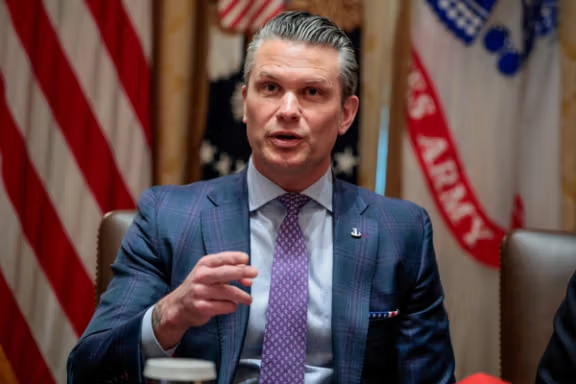
United States Defense Secretary Pete Hegseth has warned that Washington is prepared to resume military action against Iran if ongoing diplomatic negotiations fail to produce an agreement. The statement comes amid continuing efforts by the US administration to secure a deal aimed at preventing Iran from developing nuclear weapons.
Speaking during the Shangri-La Dialogue security forum in Singapore, Hegseth said the United States remains fully prepared for military operations if diplomacy does not succeed. He emphasized that while negotiations remain the preferred option, American forces are ready to act if necessary.
US Pushes for a Comprehensive Agreement
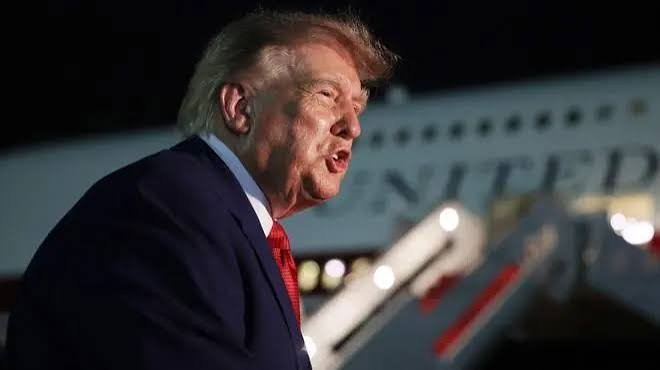
According to reports, the US administration is seeking a broad agreement that would prevent Iran from obtaining nuclear weapons while addressing wider regional security concerns. President Donald Trump has reportedly expressed support for continued diplomatic engagement but insists that any agreement must ensure long-term security guarantees.
Negotiations have reportedly focused on issues such as Iran’s nuclear program, sanctions relief, maritime security, and the reopening of the strategically important Strait of Hormuz.
US officials maintain that diplomacy remains the preferred path, but military readiness continues to be part of Washington’s strategy if talks fail.
Strait of Hormuz Remains a Key Concern
One of the central issues in the ongoing negotiations is the Strait of Hormuz, a critical global shipping route through which a significant share of the world’s oil and natural gas supplies pass.
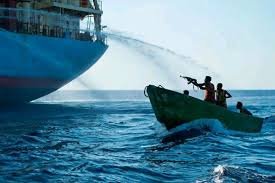
Recent tensions involving military activity, naval operations, and threats to commercial shipping have increased international concern over stability in the Gulf region. The United States has repeatedly stressed the importance of maintaining freedom of navigation and protecting global energy routes.
Analysts believe the future status of the Strait of Hormuz remains closely linked to broader US-Iran relations and regional security arrangements.
Iran and US Continue Diplomatic Engagement
Despite strong military warnings, diplomatic talks between the two countries are reportedly continuing through direct and indirect channels. Both sides remain engaged in discussions aimed at avoiding further escalation and finding common ground on key disputes.
However, major disagreements reportedly remain over uranium enrichment, sanctions, missile programs, and regional influence. These unresolved issues continue to complicate efforts to reach a lasting agreement.
Iran has repeatedly stated that it expects meaningful sanctions relief and respect for its sovereignty as part of any future deal.
Regional Tensions Continue to Influence Talks
The negotiations are taking place against the backdrop of broader instability across the Middle East. Tensions involving Iran, Israel, regional militias, and US military deployments continue to shape the diplomatic environment.
Security experts note that the threat of renewed military action increases pressure on negotiations but also raises concerns about the possibility of miscalculation or unintended escalation.
The region remains highly sensitive due to ongoing security challenges and geopolitical rivalries.
Global Attention on Outcome of Negotiations
The outcome of the US-Iran talks is being closely watched by governments, energy markets, and international organizations worldwide. Any breakthrough could help reduce regional tensions, while failure could lead to renewed military confrontation and further instability.
Experts believe that the coming weeks will be crucial in determining whether diplomacy can succeed in resolving one of the most significant security challenges in the Middle East.
Conclusion
The warning issued by US Defense Secretary Pete Hegseth underscores the fragile state of relations between the United States and Iran. While both sides continue diplomatic efforts, Washington has made it clear that military options remain available if negotiations fail.
As discussions continue, the future of regional stability, nuclear diplomacy, and security in the Gulf region may depend heavily on whether a workable agreement can be reached in the coming months.