White House Reviews Iran Ceasefire Proposal Amid Rising Tensions
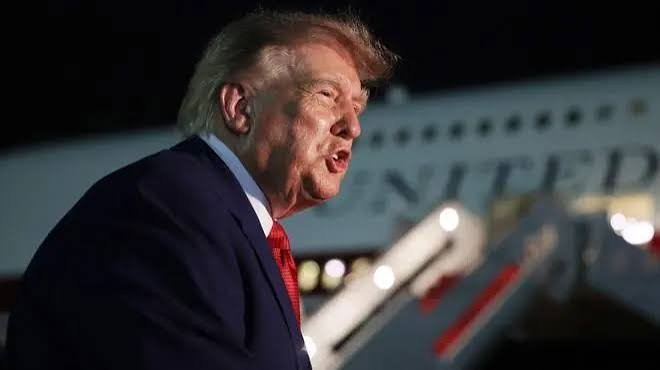
US President Donald Trump held a high-level meeting with top national security and foreign policy officials to review a proposed ceasefire agreement involving Iran. However, no official clarity emerged regarding the final outcome of the discussions, leaving uncertainty over the future of ongoing diplomatic efforts.
The meeting reportedly took place in the White House Situation Room and focused on evaluating a draft agreement that could extend the fragile ceasefire currently in place between the United States and Iran.
No Final Decision Announced
Despite several hours of discussions, officials did not announce any definitive decision after the meeting. Reports suggest that President Trump is still reviewing key conditions before approving any agreement with Tehran.
According to sources familiar with the negotiations, the proposed framework could extend the ceasefire by 60 days while allowing both sides to continue broader discussions on Iran’s nuclear activities, sanctions, and regional security issues.
However, significant disagreements reportedly remain unresolved, preventing immediate confirmation of a final deal.
Key Issues Continue to Divide Both Sides
The ongoing negotiations reportedly center around several major issues, including:
- Iran’s nuclear enrichment activities
- The future of Iran’s enriched uranium stockpile
- Sanctions relief for Tehran
- Security guarantees for both sides
- Reopening and securing the Strait of Hormuz
- Regional military tensions involving allied groups
Reports indicate that Washington wants stronger restrictions on Iran’s nuclear capabilities, while Tehran is seeking meaningful sanctions relief and assurances against future military action.
These differences continue to complicate efforts to reach a comprehensive agreement.
Iran Signals Caution Over Deal
Iranian officials have reportedly pushed back against claims that a final agreement is close. Tehran has stated that while progress has been made on several issues, no finalized deal has been reached so far.
Iranian negotiators have also emphasized that they require concrete actions rather than verbal commitments before approving any long-term arrangement.
The cautious response from Tehran highlights the deep mistrust that continues to affect negotiations between the two countries.
Strait of Hormuz Remains Central to Talks
One of the most sensitive aspects of the negotiations remains the future of the Strait of Hormuz, one of the world’s most important energy shipping routes. Recent military tensions and disruptions in the area have increased pressure on both countries to find a diplomatic solution.
The proposed framework reportedly includes provisions aimed at ensuring free navigation through the Strait while reducing military risks in the Gulf region.
Global energy markets and international shipping companies continue to closely monitor developments due to the strategic importance of the waterway.
Diplomatic and Military Pressure Continue Simultaneously
While diplomatic negotiations remain active, military pressure has not completely disappeared. US Defense Secretary Pete Hegseth recently stated that Washington remains prepared to resume military operations if talks collapse.
At the same time, Iranian leaders have warned that any renewed military action could trigger a strong response from Tehran.
This combination of diplomacy and military readiness reflects the fragile nature of the current ceasefire process.
Global Attention Focused on Outcome
The outcome of the ceasefire discussions is being closely watched across the world due to its potential impact on regional stability, oil prices, international trade, and nuclear diplomacy.
Political analysts believe that even if a temporary agreement is approved, difficult negotiations will continue over long-term security arrangements and Iran’s nuclear program.
Many observers see the current talks as one of the most significant diplomatic efforts in the Middle East in recent years.
Conclusion
The high-level meeting chaired by President Donald Trump reflects the growing urgency surrounding negotiations with Iran. While reports suggest that both sides have moved closer to a potential ceasefire extension, major disagreements continue to prevent a final breakthrough.
As diplomatic discussions continue alongside military warnings, the coming days are expected to be critical in determining whether the United States and Iran can move toward a more stable and lasting agreement.