India Strengthens Position in Clean Energy Transition
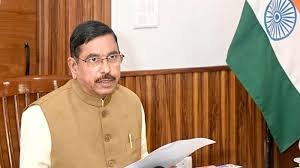
Union Minister for New and Renewable Energy Pralhad Joshi has stated that India has emerged as one of the world’s leading producers of non-fossil fuel energy capacity. The achievement highlights the country’s rapid progress in renewable energy development and its commitment to reducing dependence on conventional fossil fuels.
Moreover, India’s clean energy expansion has positioned the country among the top global players in the renewable energy sector. The government’s continued focus on solar, wind, hydro, and other sustainable energy sources has contributed significantly to this growth.
Renewable Energy Capacity Sees Remarkable Growth
Speaking about India’s energy transformation, Pralhad Joshi emphasized that the country has made substantial progress in expanding its non-fossil fuel power generation capacity. Over the past decade, India has witnessed rapid growth in renewable energy installations across various sectors.
Furthermore, large-scale investments in solar parks, wind energy projects, and green energy infrastructure have accelerated the country’s clean energy journey. As a result, renewable energy now plays an increasingly important role in India’s power generation mix.
The growth reflects India’s determination to balance economic development with environmental sustainability.
Government Policies Drive Clean Energy Expansion
Several government initiatives have played a crucial role in boosting renewable energy production. Programs promoting solar energy, rooftop installations, green hydrogen, and renewable infrastructure have encouraged both public and private sector participation.
Additionally, policy reforms and investment-friendly measures have attracted domestic and international investors to India’s clean energy sector.
Consequently, the country has become one of the most attractive destinations for renewable energy investments worldwide.
Focus on Achieving Climate Goals
India’s progress in non-fossil fuel capacity aligns with its broader climate commitments and sustainability objectives. The country has pledged to significantly increase the share of renewable energy in its overall energy mix while reducing carbon emissions.
Moreover, the government continues to work toward achieving ambitious clean energy targets announced at various international climate forums.
Therefore, expanding non-fossil fuel capacity remains a key pillar of India’s long-term energy strategy.
Solar Energy Leads the Growth Story
Solar power has emerged as one of the biggest contributors to India’s renewable energy success. Large solar parks and distributed solar projects have helped increase generation capacity across multiple states.
Furthermore, favorable policies and technological advancements have reduced costs, making solar energy more accessible and affordable.
As a result, India has become one of the world’s largest solar energy markets and continues to attract significant investments in the sector.
Wind and Hydro Power Continue to Support Energy Mix
Alongside solar energy, wind and hydropower continue to contribute significantly to India’s non-fossil fuel capacity. Several states have developed large-scale wind energy projects, while hydropower remains an important source of renewable electricity.
In addition, emerging technologies such as green hydrogen and energy storage solutions are expected to further strengthen India’s clean energy ecosystem.
These developments are likely to support the country’s future energy requirements while promoting sustainability.
Economic and Environmental Benefits
The expansion of renewable energy offers several economic and environmental advantages. Increased clean energy capacity helps reduce dependence on imported fossil fuels and enhances energy security.
Moreover, renewable energy projects generate employment opportunities, attract investments, and support industrial growth.
From an environmental perspective, greater use of non-fossil fuel sources contributes to lower greenhouse gas emissions and improved air quality.
Therefore, the sector plays a critical role in both economic development and environmental protection.
India’s Growing Global Influence in Clean Energy
India’s achievements in renewable energy have strengthened its position as a global leader in climate action and sustainable development. International organizations and industry experts have frequently highlighted the country’s progress in scaling up clean energy infrastructure.
Furthermore, India’s success provides an example for other developing nations seeking to transition toward greener energy systems.
As global demand for clean energy continues to rise, India’s role in the renewable energy sector is expected to become even more significant.
Conclusion
Union Minister Pralhad Joshi’s statement underscores India’s remarkable progress in building non-fossil fuel energy capacity. Through strong policy support, large-scale investments, and ambitious climate goals, the country has emerged as one of the world’s leading producers of renewable energy.
Moreover, continued expansion in solar, wind, hydro, and emerging green technologies is expected to strengthen India’s energy security and support sustainable economic growth. As the clean energy transition accelerates, India is well-positioned to play a leading role in shaping the future of global renewable energy.