Japan Urges Iran to Ensure Safe and Uninterrupted Passage
Japan has renewed its call for the free and safe passage of ships through the strategically important Strait of Hormuz as tensions in the Gulf continue to disrupt global shipping and energy supplies. Japanese Prime Minister Sanae Takaichi raised the issue during a recent conversation with Iranian President Masoud Pezeshkian, emphasizing the importance of keeping the waterway open for vessels from all countries.
Japan has stressed that the safe movement of commercial ships through the Strait is critical not only for Japanese interests but also for global trade and energy security.
Why the Strait of Hormuz Matters
The Strait of Hormuz is one of the world’s most important maritime chokepoints, connecting the Persian Gulf to international waters. A significant share of global oil and liquefied natural gas shipments passes through this narrow waterway every day. Disruptions in the Strait can quickly affect global energy prices, shipping costs, and supply chains.
Japan is particularly vulnerable because a large portion of its crude oil imports originates from Gulf countries such as Saudi Arabia, Kuwait, Qatar, and the United Arab Emirates. Much of this energy supply reaches Japan through the Strait of Hormuz.
Tokyo Pursues Diplomatic Solution
Rather than deploying military forces to the region, Japan has chosen to focus on diplomacy. Prime Minister Takaichi has repeatedly stated that Tokyo will continue engaging with regional governments to ensure that commercial vessels can transit safely.
Japan’s Foreign Ministry has also confirmed that it has consistently urged Iran through diplomatic channels to guarantee free and safe navigation for ships of all nations, including those linked to Japan.
Concerns Over Shipping Disruptions
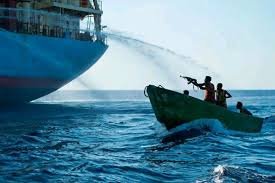
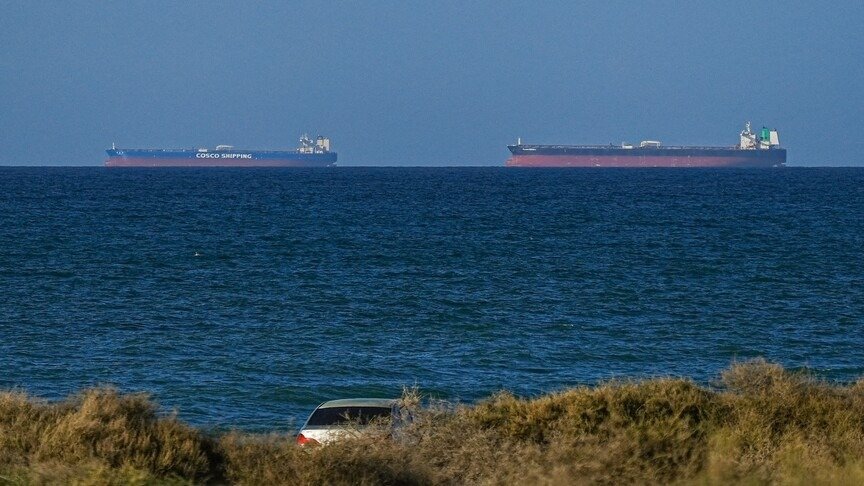
The ongoing crisis has already affected international shipping operations. Several vessels have been delayed, rerouted, or temporarily stranded due to security concerns and restrictions in the region. Shipping industry leaders have called for clear rules and security guarantees before normal operations can fully resume.
Reports indicate that thousands of seafarers and numerous commercial vessels remain impacted by the uncertainty surrounding navigation in the Gulf.
International Support for Freedom of Navigation
Japan is not alone in advocating unrestricted maritime access. Several European countries have also backed efforts to maintain free navigation through the Strait and have expressed concern over disruptions to commercial shipping.
International maritime organizations and shipping companies have similarly emphasized that restoring safe passage is essential for global trade stability and energy security.
Economic Stakes Are High
Any prolonged disruption in the Strait of Hormuz could have serious consequences for global energy markets. Analysts warn that restrictions on shipping could reduce oil supplies, increase transportation costs, and create inflationary pressure in importing countries.
For Japan, which relies heavily on imported energy resources, ensuring uninterrupted maritime access remains a key national priority.
Conclusion
Japan’s demand for free passage through the Strait of Hormuz reflects growing international concern over the security of one of the world’s most important trade routes. By prioritizing diplomacy and urging Iran to guarantee safe navigation, Tokyo hopes to protect global energy flows and prevent further disruption to international commerce.
As tensions continue in the Gulf region, the future of shipping through the Strait of Hormuz will remain a critical issue for governments, energy markets, and global trade networks worldwide.