Indian Rupee Extends Decline Against the Dollar
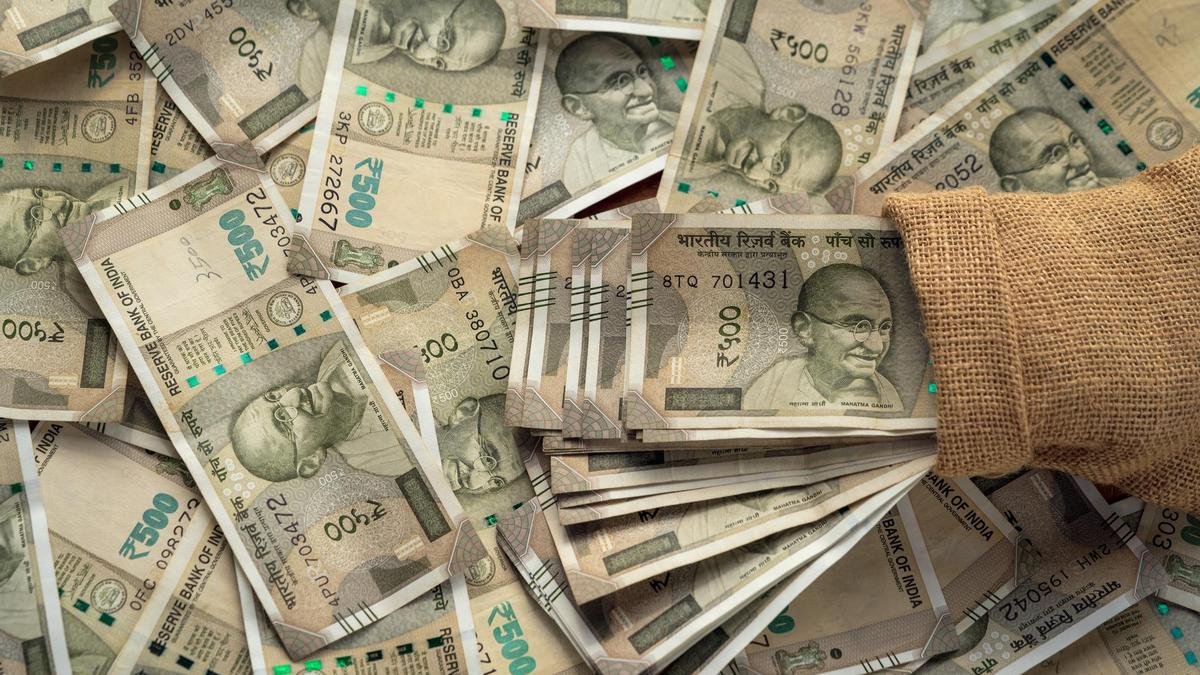
The Indian rupee depreciated by 9 paise to settle at 95.79 against the US dollar in the latest trading session. The decline came amid persistent demand for the American currency, rising global uncertainties, and cautious investor sentiment in financial markets.
Moreover, forex traders attributed the weakness in the rupee to strengthening dollar demand and concerns arising from geopolitical developments across key regions. As a result, the domestic currency remained under pressure throughout the trading day.
Strong Dollar Weighs on Emerging Market Currencies
The US dollar continued to gain strength against several global currencies, including those of emerging markets. Investors increasingly favored dollar-denominated assets as uncertainty surrounding global economic conditions persisted.
Furthermore, expectations regarding US monetary policy and interest rate movements supported the greenback. A stronger dollar typically makes emerging market currencies less attractive, leading to depreciation pressures.
Consequently, the rupee joined several other Asian currencies that witnessed declines against the US dollar.
Global Uncertainty Impacts Currency Markets
Recent geopolitical tensions and concerns over global trade and energy security have increased volatility in international currency markets. Investors often shift toward safer assets during uncertain times, boosting demand for the US dollar.
In addition, developments in the Middle East and fluctuations in crude oil prices have contributed to market caution. Since India imports a significant portion of its energy requirements, higher oil prices can increase demand for dollars and affect the rupee’s value.
Therefore, global events continue to play an important role in shaping currency market movements.
Foreign Fund Flows Remain a Key Factor
Foreign investment flows significantly influence the performance of the Indian currency. Market participants closely monitor foreign institutional investor (FII) activity to gauge potential movements in the rupee.
Moreover, any increase in capital outflows can create additional pressure on the domestic currency. Conversely, strong foreign investments often help support the rupee.
As a result, traders remain focused on both global and domestic investment trends.
Impact on Importers and Exporters
Currency fluctuations affect businesses involved in international trade. A weaker rupee generally increases the cost of imports, particularly for commodities such as crude oil, electronics, and industrial inputs.
However, exporters may benefit from rupee depreciation because their products become more competitive in international markets. This can improve export earnings when revenues are converted back into Indian currency.
Therefore, exchange rate movements have mixed implications for different sectors of the economy.
RBI Continues to Monitor Market Conditions
The Reserve Bank of India (RBI) closely watches developments in the foreign exchange market to ensure stability and prevent excessive volatility. The central bank has various tools available to manage sharp currency fluctuations when necessary.
Furthermore, India’s strong foreign exchange reserves provide a cushion against external shocks and help maintain confidence in the financial system.
Market experts believe the RBI will continue to monitor global developments and intervene if required to support orderly market conditions.
Outlook for the Rupee
Analysts expect the rupee’s movement in the coming days to depend on several factors, including global economic data, crude oil prices, foreign investment flows, and developments in international markets.
Moreover, any changes in US Federal Reserve policy expectations could influence dollar strength and impact emerging market currencies.
Consequently, traders are likely to remain cautious as they assess evolving economic and geopolitical conditions.
Conclusion
The Indian rupee weakened by 9 paise to close at 95.79 against the US dollar, reflecting pressure from a stronger greenback and ongoing global uncertainties. While external factors continue to influence currency markets, domestic economic fundamentals remain an important source of support.
Moreover, investors and businesses will closely track global developments, crude oil prices, and foreign fund flows to assess the rupee’s future direction. As market conditions evolve, currency movements are expected to remain a key area of focus for policymakers and traders alike.