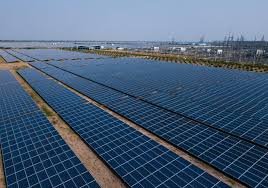
Major Step Towards Green Energy in Defence Sector
Raksha Mantri Shri Rajnath Singh has approved the establishment of the first large-scale solar power project on defence land in Sitapur, Uttar Pradesh. The landmark initiative marks a significant milestone in the Ministry of Defence’s efforts to promote renewable energy and enhance sustainability across defence establishments.
Moreover, the project aligns with the Government of India’s broader commitment to expanding clean energy infrastructure and reducing dependence on conventional power sources.
Defence Land to Support Renewable Energy Generation
The approved solar power project will utilize defence land in Sitapur for the generation of clean and renewable electricity. The initiative demonstrates how underutilized government land can be leveraged to support national sustainability objectives while contributing to energy security.
Furthermore, the project is expected to generate substantial amounts of green power, helping reduce the carbon footprint of defence facilities and supporting India’s renewable energy targets.
As a result, the defence sector is taking an active role in the country’s transition toward clean energy.
Supporting India’s Net-Zero and Renewable Energy Goals
India has been aggressively expanding its renewable energy capacity as part of its long-term climate commitments. Solar energy remains one of the key pillars of the nation’s strategy to achieve sustainable growth and energy independence.
Additionally, the Sitapur project reflects the government’s emphasis on integrating renewable energy solutions into various sectors, including defence infrastructure.
Therefore, the initiative contributes to India’s efforts to increase non-fossil fuel energy capacity and promote environmentally responsible development.
Defence Sector Embraces Sustainable Infrastructure
The Ministry of Defence has been exploring innovative ways to improve energy efficiency and sustainability across military establishments. The approval of this solar project highlights a growing focus on adopting environmentally friendly technologies within defence operations.
Moreover, renewable energy projects can help reduce operational energy costs while ensuring reliable power supply for defence facilities.
Consequently, the initiative represents a strategic investment in both sustainability and long-term operational efficiency.
Economic and Environmental Benefits
The solar power project is expected to deliver multiple benefits beyond clean energy generation. By utilizing solar energy, the project can reduce greenhouse gas emissions and lower dependence on fossil fuels.
Furthermore, the development and operation of the facility may create employment opportunities and support local economic activity in the region.
As a result, the project contributes to both environmental conservation and economic development.
Sitapur Emerges as a Renewable Energy Hub
The selection of Sitapur for the first large-scale solar project on defence land underscores the region’s growing importance in India’s renewable energy landscape. Uttar Pradesh has been actively promoting solar energy projects as part of its clean energy expansion strategy.
Additionally, successful implementation of the project could pave the way for similar initiatives on defence land in other parts of the country.
Therefore, the Sitapur project may serve as a model for future renewable energy investments within the defence sector.
Strengthening Energy Security
Renewable energy projects play a crucial role in enhancing energy security by diversifying power sources and reducing reliance on imported fuels. For defence establishments, reliable and sustainable energy supply is particularly important.
Moreover, solar power installations can contribute to greater resilience and operational readiness by providing a stable source of electricity.
Consequently, the project aligns with both national security and sustainability objectives.
Way Forward for Green Defence Initiatives
The approval of the Sitapur solar project signals the beginning of a broader push toward green defence infrastructure. Experts believe that similar renewable energy projects could be developed across military stations, training facilities, and other defence-owned properties.
Furthermore, integrating renewable energy into defence operations can help establish the armed forces as leaders in sustainable infrastructure development.
As a result, the project is expected to encourage further innovation in the use of clean energy within the defence sector.
Conclusion
The approval of the first large-scale solar power project on defence land in Sitapur, Uttar Pradesh, marks a significant achievement in India’s renewable energy journey. By combining sustainability with strategic infrastructure development, the initiative demonstrates the Ministry of Defence’s commitment to environmental responsibility and energy security.
Moreover, the project supports India’s broader clean energy goals while creating a framework for future renewable energy investments across defence establishments. As implementation moves forward, the Sitapur solar project is likely to become a benchmark for green initiatives within the defence sector.