EU Energy Policy 2026 is undergoing a major transformation as the European Union intensifies efforts to strengthen energy security and accelerate the transition toward sustainable sources. Amid global uncertainties, including geopolitical tensions and fluctuating fuel prices, the EU is taking decisive steps to ensure a stable, affordable, and environmentally friendly energy system.
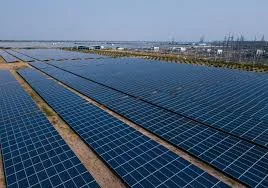
One of the central pillars of EU Energy Policy 2026 is the rapid expansion of renewable energy. Member states are significantly increasing investments in solar, wind, and hydropower projects to reduce reliance on fossil fuels. The EU has set ambitious targets to cut greenhouse gas emissions and achieve climate neutrality in the coming decades. These efforts align with broader global commitments to combat climate change and promote sustainability.
Energy diversification has also become a key priority. In response to past disruptions in energy supply, particularly linked to geopolitical developments involving Russia, the EU is actively seeking alternative energy sources and suppliers. Liquefied natural gas (LNG) imports, strategic energy partnerships, and cross-border energy infrastructure projects are helping reduce dependency on a single source.
Another important aspect of EU Energy Policy 2026 is improving energy efficiency. Governments are promoting policies that encourage reduced energy consumption in industries, buildings, and transportation. Initiatives such as smart grids, energy-efficient appliances, and green building standards are being implemented across member states. These measures not only lower energy demand but also help consumers reduce costs.
The policy framework also places strong emphasis on innovation and technology. Investments in green hydrogen, battery storage, and advanced energy systems are expected to play a crucial role in the EU’s long-term energy strategy. By supporting research and development, the EU aims to become a global leader in clean energy technologies.
Affordability and consumer protection remain key concerns. The EU is working to stabilize energy prices and protect households from sudden cost increases. Support mechanisms, subsidies, and regulatory reforms are being introduced to ensure that the transition to clean energy remains inclusive and does not disproportionately impact vulnerable populations.
However, challenges persist. Transitioning to renewable energy requires significant financial investment and infrastructure development. Differences in energy policies among member states can also slow down implementation. Additionally, balancing energy security with environmental goals remains a complex task.
In conclusion, EU Energy Policy 2026 reflects a strategic shift toward sustainability, resilience, and independence. By focusing on renewable energy, diversification, and innovation, the European Union is working to build a robust energy system capable of withstanding global challenges. These efforts will not only strengthen the region’s energy security but also contribute to global climate goals.