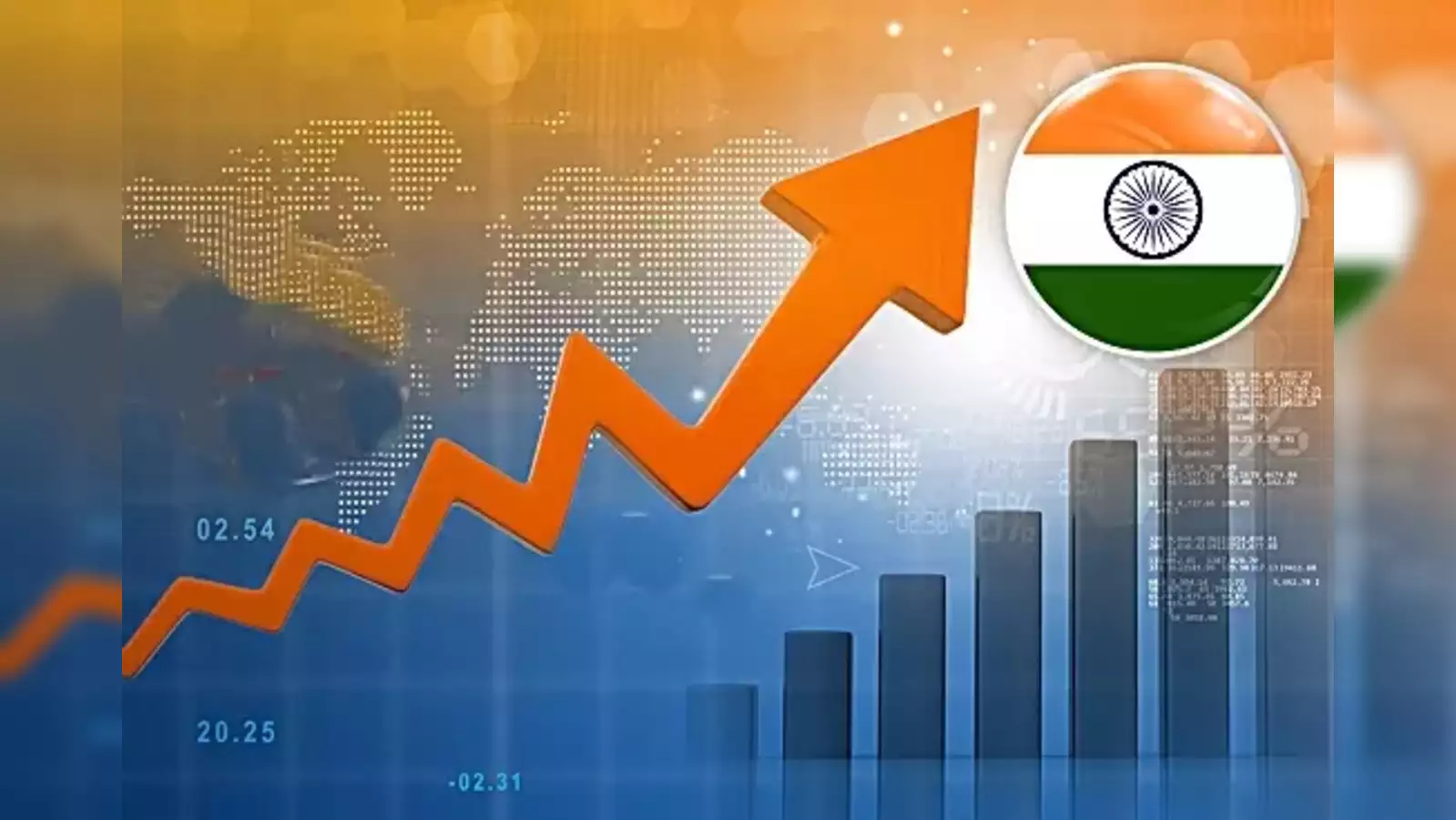
India Economic Growth 2026 is showing a strong and positive trajectory as the global economy gradually recovers from recent uncertainties. With improved international trade conditions, rising domestic consumption, and strategic government policies, India is positioning itself as one of the fastest-growing major economies in the world.
One of the key drivers behind India Economic Growth 2026 is the revival of global demand, which has significantly boosted exports in sectors such as pharmaceuticals, information technology, and manufacturing. As supply chains stabilize, Indian businesses are benefiting from increased global integration and improved logistics networks. This has led to a steady rise in foreign direct investment (FDI), further strengthening the country’s economic outlook.
Domestically, consumer spending is witnessing a notable increase, particularly in urban areas where employment opportunities have expanded in the technology and service sectors. Government initiatives aimed at improving infrastructure, such as highways, railways, and smart cities, are also playing a crucial role in supporting economic activity. These projects not only generate employment but also enhance productivity and connectivity across regions.
Another important aspect of India Economic Growth 2026 is the rapid pace of digital transformation. The adoption of digital payment systems, e-governance platforms, and emerging technologies like artificial intelligence and cloud computing is reshaping the business landscape. Small and medium enterprises (SMEs) are increasingly leveraging digital tools to expand their reach and improve efficiency, contributing to overall economic growth.
The agricultural sector, which remains a backbone of the Indian economy, has also shown resilience. Favorable monsoon conditions and improved farming techniques have led to better crop yields, boosting rural incomes. Increased rural consumption is further supporting demand for goods and services, creating a balanced growth pattern between urban and rural areas.
Inflation management has been another positive factor. Controlled inflation levels have allowed policymakers to maintain a stable monetary environment, encouraging investment and consumption. Financial institutions are also playing a supportive role by providing easier access to credit for businesses and individuals.
However, challenges remain. Global geopolitical tensions, fluctuating energy prices, and potential supply chain disruptions could impact growth momentum. Additionally, ensuring inclusive growth and reducing income inequality will be crucial for sustaining long-term economic stability.
Overall, India Economic Growth 2026 reflects a combination of strong domestic fundamentals and favorable global conditions. With continued policy support, innovation, and investment, India is well on track to strengthen its position as a key player in the global economy.