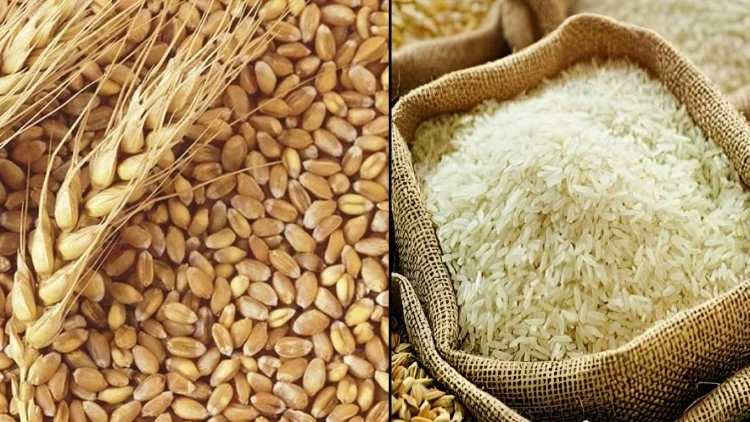
Wheat Production 2025–26 India has remained stable and resilient despite facing irregular weather patterns, according to the latest government clarification. Amid concerns over unseasonal rains and temperature fluctuations, officials have reassured that the overall wheat output is expected to meet domestic demand comfortably.
The government highlighted that timely policy interventions, improved farming practices, and the use of climate-resilient crop varieties have played a crucial role in maintaining production levels. While certain regions experienced weather-related disruptions, the overall national output has not been significantly affected. This demonstrates the growing strength and adaptability of India’s agricultural sector.
One of the key factors supporting Wheat Production 2025–26 India is the adoption of advanced agricultural technologies. Farmers are increasingly using high-yield seed varieties, efficient irrigation methods, and modern machinery, which help minimize losses caused by adverse weather conditions. Additionally, better access to weather forecasting services has enabled farmers to plan their crop cycles more effectively.
The role of government support schemes has also been significant. Minimum Support Price (MSP) assurances and procurement policies have encouraged farmers to continue wheat cultivation with confidence. Procurement agencies are actively purchasing wheat from farmers, ensuring price stability and safeguarding their income.
Despite localized challenges such as heatwaves during the grain-filling stage and occasional rainfall during harvesting, experts believe that the crop has shown remarkable resilience. Improved soil management practices and better pest control measures have further contributed to sustaining production levels.
The government has also emphasized that buffer stock levels remain adequate, which will help maintain food security and stabilize market prices. This is particularly important in the context of global uncertainties affecting food supply chains. India’s ability to maintain stable wheat production strengthens its position as a reliable agricultural economy.
Looking ahead, policymakers are focusing on enhancing climate resilience in agriculture. Investments in research, irrigation infrastructure, and farmer education are expected to further strengthen production in the coming years. Sustainable farming practices are being promoted to ensure long-term productivity and environmental balance.
In conclusion, Wheat Production 2025–26 India reflects a positive and reassuring outlook despite weather variations. The combination of government support, technological advancements, and farmer resilience has ensured that the country’s wheat supply remains secure. This stability not only supports domestic food needs but also reinforces confidence in India’s agricultural sector.