Tamil Nadu Witnessing a Dramatic Political Realignment
Tamil Nadu’s political landscape is undergoing one of its most significant transformations in decades. Long dominated by the Dravidian giants DMK and AIADMK, the state’s politics is now witnessing the rise of new players, shifting alliances, and changing voter preferences. Political observers believe the developments following the 2026 Assembly elections could permanently alter the state’s traditional power structure.
The emergence of new leadership and evolving coalition politics has created a more competitive environment than Tamil Nadu has seen in recent years.
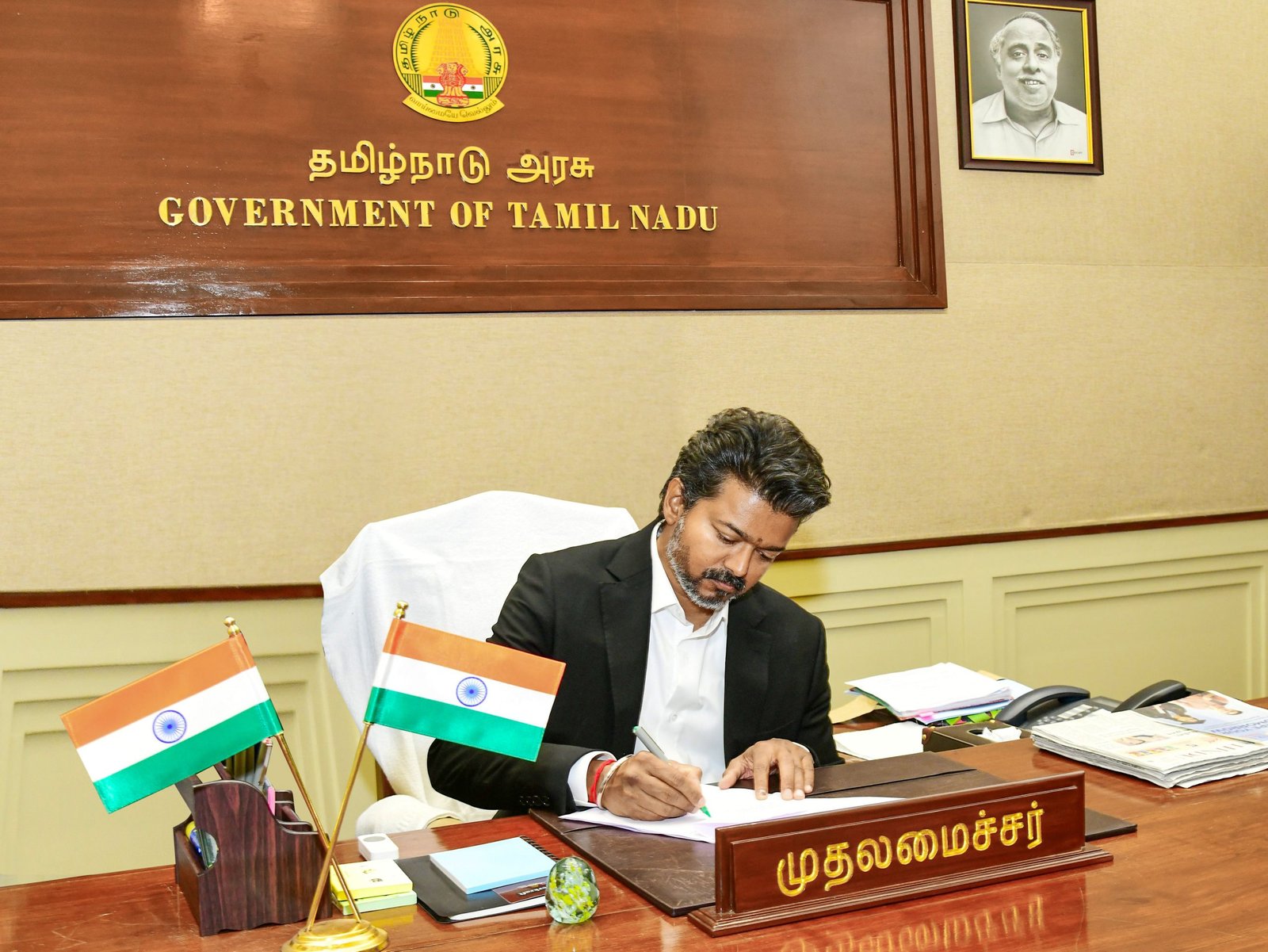
Rise of Vijay’s TVK Changes Political Equations
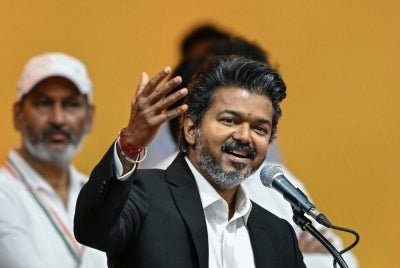
One of the biggest shifts has been the emergence of C. Joseph Vijay and his party, Tamilaga Vetri Kazhagam (TVK). The party’s strong electoral performance has disrupted the long-standing dominance of the DMK-AIADMK political rivalry and attracted significant support from youth and first-time voters.
In recent public rallies, Vijay has positioned TVK as the primary challenger to traditional political forces, criticizing both the DMK and AIADMK while emphasizing governance reforms, social justice, and state autonomy.
Analysts believe TVK’s rise reflects growing public demand for political alternatives and a new style of leadership in Tamil Nadu.
DMK Faces Challenges After Electoral Setback
The Dravida Munnetra Kazhagam, which has been one of Tamil Nadu’s dominant political forces, is facing new challenges following its electoral setback. While the party continues to retain a substantial voter base, anti-incumbency sentiments and changing political expectations appear to have influenced voter behavior.
Political analysts note that the DMK’s future strategy may focus on rebuilding support among young voters and addressing issues such as employment, governance, and social welfare.
Despite recent challenges, the party remains a major force in state politics and is expected to play a significant role in future political developments.
AIADMK Seeks Political Revival
The All India Anna Dravida Munnetra Kazhagam is also navigating a period of transition. Under the leadership of Edappadi K. Palaniswami, the party has been working to strengthen its organizational structure and reposition itself in a rapidly changing political environment.
Observers believe the AIADMK’s future success will depend on its ability to reconnect with voters and effectively compete against both the DMK and emerging political forces.
The party’s alliance strategies and leadership decisions are expected to remain closely watched in the coming years.
BJP’s Role Continues to Evolve
The Bharatiya Janata Party has been attempting to expand its presence in Tamil Nadu through alliances and organizational outreach. The BJP’s alliance with the AIADMK ahead of the 2026 elections reflected its strategy to strengthen its position in the state.
However, recent speculation surrounding former state BJP leader K. Annamalai and reports suggesting the possibility of a new political venture have added uncertainty to the state’s political dynamics.
His next political move could influence future alignments and voter calculations in Tamil Nadu.
Coalition Politics Becoming More Important
Tamil Nadu’s political system is increasingly moving toward coalition-based politics. The emergence of new parties and shifting alliances has reduced the dominance of traditional two-party competition. Recent developments involving TVK, Congress, Left parties, and regional groups indicate that coalition-building may become a defining feature of future elections.
Experts believe coalition politics could lead to greater negotiation, broader representation, and more competitive elections.
Youth and Social Media Influence Growing
Another major political shift is the growing influence of younger voters and digital campaigning. Political parties are increasingly relying on social media platforms, digital outreach, and direct engagement with youth to shape public opinion and mobilize support.
The success of newer political movements has demonstrated the importance of connecting with younger demographics through modern communication channels.
This trend is expected to continue influencing electoral strategies across the state.
Future of Tamil Nadu Politics
The political transformation underway in Tamil Nadu suggests that the state’s future may be more competitive and less predictable than in previous decades. Traditional Dravidian parties continue to hold significant influence, but new political forces are increasingly shaping public discourse and electoral outcomes.
As leadership transitions, alliance realignments, and changing voter expectations continue to evolve, Tamil Nadu is entering a new political era that could redefine the state’s governance and electoral landscape.
Conclusion
Tamil Nadu is witnessing a major political shift marked by the rise of new leaders, evolving alliances, and changing voter priorities. The emergence of TVK, challenges faced by DMK and AIADMK, the BJP’s evolving role, and the growing importance of coalition politics have collectively reshaped the state’s political narrative.
As political parties prepare for future electoral battles, Tamil Nadu’s evolving political landscape will remain one of the most closely watched developments in Indian politics.