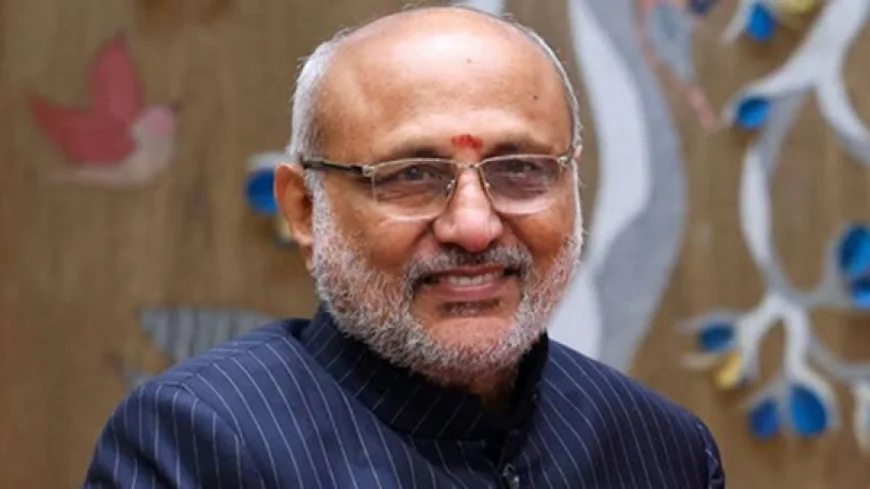
The Vice President of India, Jagdeep Dhankhar, inaugurated a national conference on the transformation of tribal lives through science and technology in New Delhi today. The conference brought together policymakers, scientists, researchers, academicians, and stakeholders to deliberate on leveraging innovation for the socio-economic development of tribal communities.
Addressing the gathering, the Vice President emphasized the critical role of science and technology in bridging developmental gaps and improving the quality of life in tribal regions. He highlighted that targeted technological interventions can empower tribal communities by enhancing access to education, healthcare, livelihoods, and sustainable resources.
Underscoring the importance of inclusive growth, the Vice President stated that India’s development journey must ensure that no section of society is left behind. He noted that tribal communities, with their rich cultural heritage and traditional knowledge systems, hold immense potential that can be further strengthened through modern scientific advancements.
The conference focused on key areas such as digital inclusion, sustainable agriculture, renewable energy, healthcare innovations, and skill development tailored for tribal regions. Experts shared insights on how emerging technologies can be adapted to local contexts to create meaningful and lasting impact.
The Vice President also stressed the need to integrate traditional wisdom with modern science to create sustainable and culturally sensitive development models. He called for collaborative efforts among government institutions, research organizations, and private sector stakeholders to design and implement solutions that are accessible, affordable, and scalable.
Highlighting government initiatives aimed at tribal welfare, he appreciated ongoing efforts to promote education, entrepreneurship, and infrastructure development in tribal areas. He encouraged greater participation from academic and research institutions in developing innovative solutions that address the unique challenges faced by tribal communities.
The event also showcased several success stories and case studies demonstrating the transformative impact of science and technology in tribal regions. These examples illustrated how innovation can drive positive change and create new opportunities for economic and social advancement.
The Vice President reiterated that empowering tribal communities is essential for achieving the vision of a developed and inclusive India. He expressed confidence that initiatives like this conference will serve as a catalyst for new ideas, partnerships, and actionable strategies.
The conference in New Delhi marks an important step towards fostering dialogue and collaboration in the field of tribal development through science and technology. It reflects the nation’s commitment to harnessing innovation for inclusive growth and sustainable development.