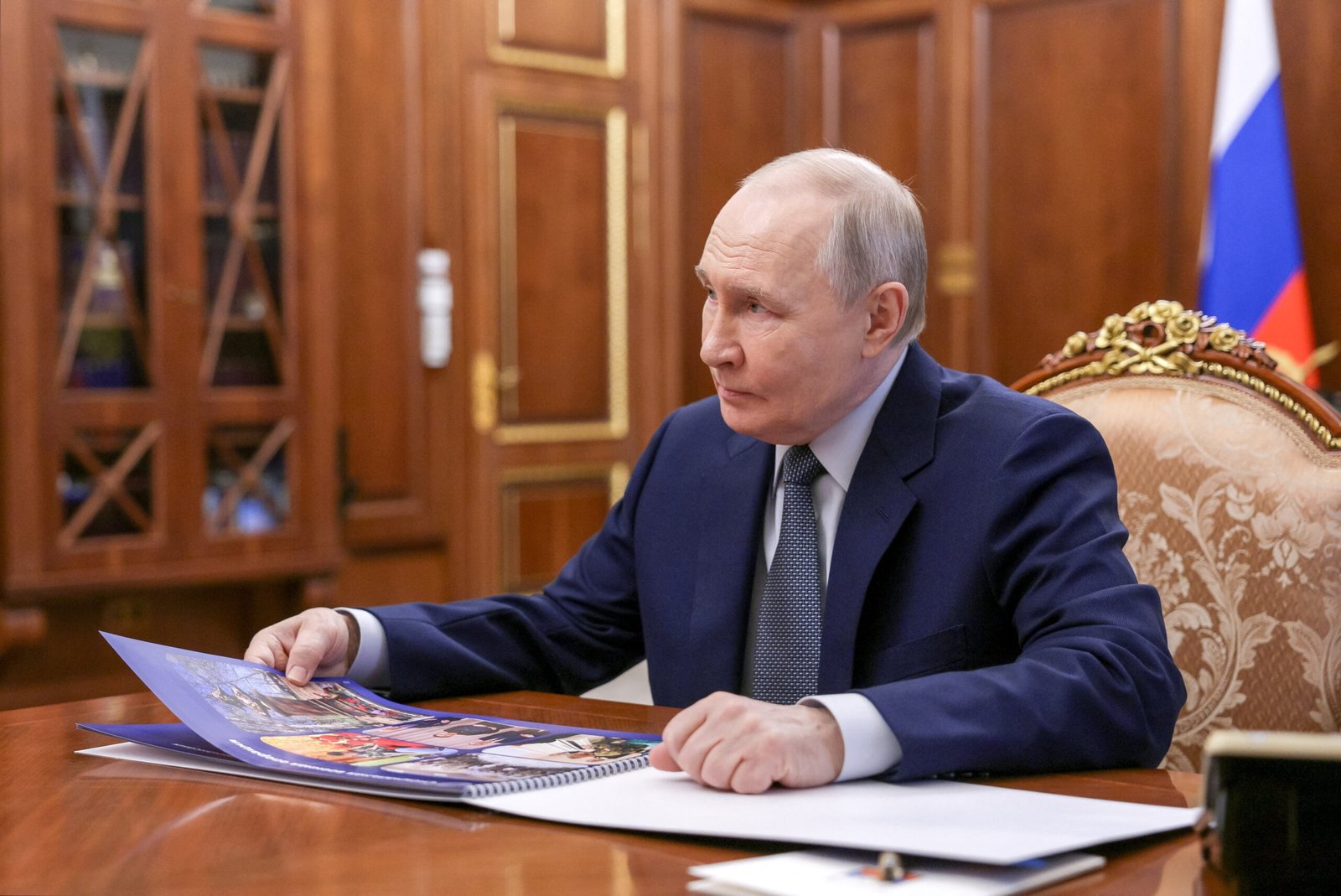
The Russia Ukraine Ceasefire May 2026 announcement has become a major international development after Russia declared a unilateral ceasefire in Ukraine for May 8 and May 9. The announcement comes amid the continuing conflict between the two countries, which has drawn worldwide attention and ongoing diplomatic concern from global leaders and international organizations.
According to Russian authorities, the temporary ceasefire is intended to mark Victory Day commemorations and provide a pause in military operations during the specified period. Officials stated that Russian forces would suspend combat activities during the ceasefire window, while also urging Ukraine to observe the same arrangement.
The Russia-Ukraine conflict has continued to impact regional stability, international diplomacy, global energy markets, and humanitarian conditions since the beginning of the war. Multiple attempts at ceasefires and peace negotiations have taken place in the past, although many have faced challenges due to continued military tensions and disagreements between both sides.
The latest Russia Ukraine Ceasefire May 2026 declaration has triggered reactions from several countries and international observers. Diplomatic analysts believe the move may be aimed at reducing tensions temporarily while also signaling openness toward possible future negotiations. However, uncertainty remains regarding how the ceasefire will be implemented on the ground and whether both parties will fully observe it.
Ukraine has not immediately indicated complete acceptance of the unilateral ceasefire announcement. Ukrainian officials have repeatedly stated in previous situations that any ceasefire arrangement must include clear security guarantees and meaningful diplomatic commitments. International observers are closely monitoring developments to assess whether military activity decreases during the announced period.
Global leaders and international organizations have consistently called for de-escalation, humanitarian access, and peaceful dialogue between Russia and Ukraine. The conflict has led to widespread humanitarian challenges, including displacement of civilians, infrastructure damage, and economic disruptions affecting several countries beyond the region.
Experts say temporary ceasefires can sometimes help facilitate humanitarian relief operations, civilian evacuations, prisoner exchanges, and diplomatic communication channels. However, they also caution that lasting peace would require broader negotiations and long-term political agreements between the involved parties.
The ceasefire announcement coincides with Russia’s Victory Day observances, which hold major historical and symbolic significance in the country. May 9 is celebrated annually in Russia to commemorate the Soviet Union’s victory during World War II. Large national events, military ceremonies, and public gatherings are traditionally organized during this period.
International markets and geopolitical observers are also paying close attention to the situation, as developments in the Russia-Ukraine conflict often influence energy prices, trade routes, defense policies, and global economic stability.
The Russia Ukraine Ceasefire May 2026 announcement has once again highlighted the complex and evolving nature of the conflict. While the temporary halt in military operations may provide a short-term reduction in hostilities, analysts believe long-term peace will depend on sustained diplomatic engagement and constructive negotiations between all sides involved.
As the world watches closely, attention now remains focused on whether the ceasefire will hold and whether it could open the door for renewed peace efforts in the region.