Europe Searches for a Diplomatic Breakthrough
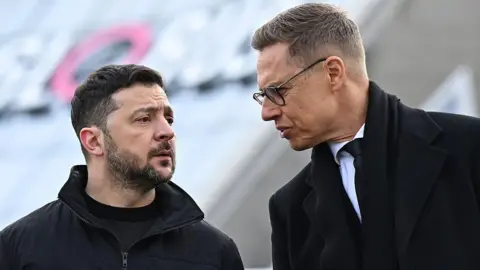
As the war between Russia and Ukraine continues with no clear resolution in sight, questions are growing within the European Union about whether a trusted mediator — often described as a “Russia whisperer” — could help reopen meaningful diplomatic dialogue.
The prolonged conflict has already caused massive humanitarian, economic, and geopolitical consequences across Europe and beyond. With military tensions continuing and peace negotiations remaining largely stalled, many European leaders and analysts believe diplomacy may eventually become essential for ending the war.
What Does “Russia Whisperer” Mean?
The term “Russia whisperer” is often used to describe a political leader or diplomat who deeply understands Russia’s political thinking, security concerns, and negotiation style. Such individuals are believed to have the ability to maintain communication channels with Moscow even during periods of extreme tension.
In the context of the Ukraine war, some experts argue that the European Union may need a skilled negotiator capable of rebuilding trust and opening backchannel diplomacy with the Kremlin.
The challenge, however, is that relations between Russia and many Western nations have sharply deteriorated since the war began.
Diplomatic Challenges Facing the European Union
The European Union has strongly supported Ukraine through sanctions on Russia, military assistance, financial aid, and humanitarian support. While the EU has remained united on many fronts, finding a path toward negotiations remains politically sensitive.
Some European leaders believe that maintaining pressure on Russia is necessary before meaningful talks can happen. Others argue that prolonged conflict risks increasing economic strain, energy insecurity, and regional instability across Europe.
The situation has created debate over whether Europe should continue focusing mainly on military and economic pressure or begin investing more actively in diplomatic engagement.
The Role of Neutral Mediators
Historically, major international conflicts have often required neutral intermediaries to facilitate peace talks. Countries such as Turkey, Switzerland, and Qatar have previously acted as mediators in international disputes due to their diplomatic relationships with multiple sides.
Some analysts suggest that a respected European figure with experience in Russian affairs could potentially help restart communication channels between Moscow and Kyiv.
However, experts also caution that mediation efforts can only succeed if both sides are willing to negotiate seriously.
War Continues to Impact Europe
The Russia-Ukraine war has significantly affected Europe’s economy, energy markets, defense policies, and refugee systems. Rising military spending, energy diversification efforts, and geopolitical uncertainty continue to shape European politics.
The conflict has also strengthened NATO cooperation and altered security strategies across the continent. At the same time, many European citizens are increasingly concerned about the long-term impact of the war on inflation, economic growth, and regional security.
As a result, diplomatic solutions are receiving renewed attention in policy discussions.
Obstacles to Peace Negotiations
Despite growing calls for diplomacy, major obstacles remain. Ukraine continues to insist on territorial sovereignty and security guarantees, while Russia maintains its own strategic demands and military objectives.
Trust between the parties remains extremely low, making direct negotiations difficult. International sanctions, battlefield developments, and geopolitical alliances further complicate peace efforts.
Political analysts believe that even if a mediator emerges, achieving a lasting ceasefire or peace agreement would require extensive negotiations and international guarantees.
Could Europe Lead Future Peace Efforts?
The European Union remains one of the most influential political and economic blocs involved in the Ukraine crisis. Some observers believe the EU could eventually play a larger diplomatic role if conditions become favorable for negotiations.
A credible mediator with strong diplomatic credibility, strategic understanding, and communication channels with Moscow may become increasingly important as the conflict evolves.
Still, experts warn that diplomacy alone may not immediately end the war, especially while active fighting continues.
Conclusion
The search for a possible “Russia whisperer” reflects Europe’s growing recognition that long-term peace in Ukraine may eventually require both pressure and diplomacy. While military and economic strategies continue to dominate current policy, discussions around mediation and negotiation are slowly gaining attention.
Whether the European Union can identify a trusted diplomatic figure capable of helping bridge the gap between Russia and Ukraine remains uncertain. However, as the war continues to impact global stability, the importance of dialogue and conflict resolution is becoming harder to ignore.