Middle East Tensions Escalate Amid Fresh Warnings from Iran
The ongoing conflict involving Iran and Israel has taken another serious turn after Iran’s Supreme Leader warned that Gulf nations would no longer serve as a “shield” for American military bases in the region. The statement comes amid growing regional instability, continuing military operations, and fragile diplomatic negotiations involving the United States and Iran.
The remarks have intensified global concerns about the possibility of wider conflict spreading across the Middle East.
Iran Issues Strong Message to the United States
Iran’s Supreme Leader, Ayatollah Mojtaba Khamenei, reportedly stated that the United States would no longer have “safe havens” in the region for military aggression or the establishment of bases. The statement was released through Iranian state media during a message marking the Eid al-Adha holiday.
Khamenei also suggested that regional countries are moving away from supporting American military influence, indicating a possible geopolitical shift in the Gulf region.
The warning follows recent reports of US military operations targeting missile sites and naval infrastructure in southern Iran despite an ongoing ceasefire framework.
Conflict Continues to Impact the Region
The Iran-Israel conflict has already triggered instability across several parts of the Middle East. Military exchanges, drone attacks, missile strikes, and rising tensions involving regional allies have increased fears of a broader regional war.
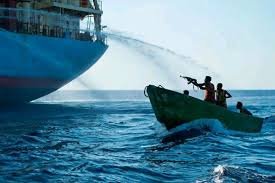
Reports indicate that Iran-backed groups and regional militias continue to remain active in areas linked to the conflict, particularly in Lebanon, Syria, and Gulf waters near the Strait of Hormuz.
The Strait of Hormuz remains one of the most strategically important global shipping routes, and any disruption there could significantly impact global oil supplies and international trade.
Ceasefire Talks Face Challenges
Although diplomatic discussions between Washington and Tehran are reportedly continuing through mediators, the latest military developments have complicated peace efforts. Iranian officials accused the United States of violating ceasefire understandings through recent military strikes.
Meanwhile, US officials maintain that their actions are defensive and aimed at protecting regional security interests.
Analysts believe the situation remains highly fragile, with both military and diplomatic developments unfolding simultaneously.
Regional and Global Reactions
Countries across the Middle East and international observers are closely monitoring the conflict due to concerns over regional security, energy markets, and global economic stability.
Several Gulf countries host American military bases and strategic defense infrastructure. Iran’s latest warning has therefore attracted significant international attention and raised questions about future security arrangements in the region.
Global markets have also reacted cautiously to the tensions, especially due to concerns regarding oil transportation and maritime security near the Gulf region.
Growing Humanitarian and Security Concerns
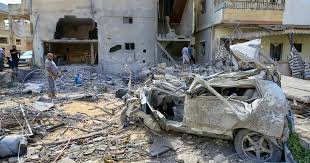
The prolonged conflict has also increased humanitarian concerns in affected regions. Civilians in conflict zones continue to face uncertainty due to airstrikes, displacement, infrastructure damage, and security threats.
International organizations and diplomatic leaders have repeatedly called for restraint, renewed dialogue, and peaceful resolution to avoid further escalation.
Experts warn that any expansion of the conflict could have long-term geopolitical and economic consequences for the Middle East and beyond.
Conclusion
The latest statement from Iran’s Supreme Leader marks another escalation in the already tense Iran-Israel conflict. As military operations continue and diplomatic talks remain uncertain, global attention remains focused on whether regional powers and international mediators can prevent further instability.
The coming weeks are expected to play a critical role in shaping the future of Middle East security, international diplomacy, and global energy stability.