Indian Air Force Transports Sacred Buddhist Relics to Mongolia
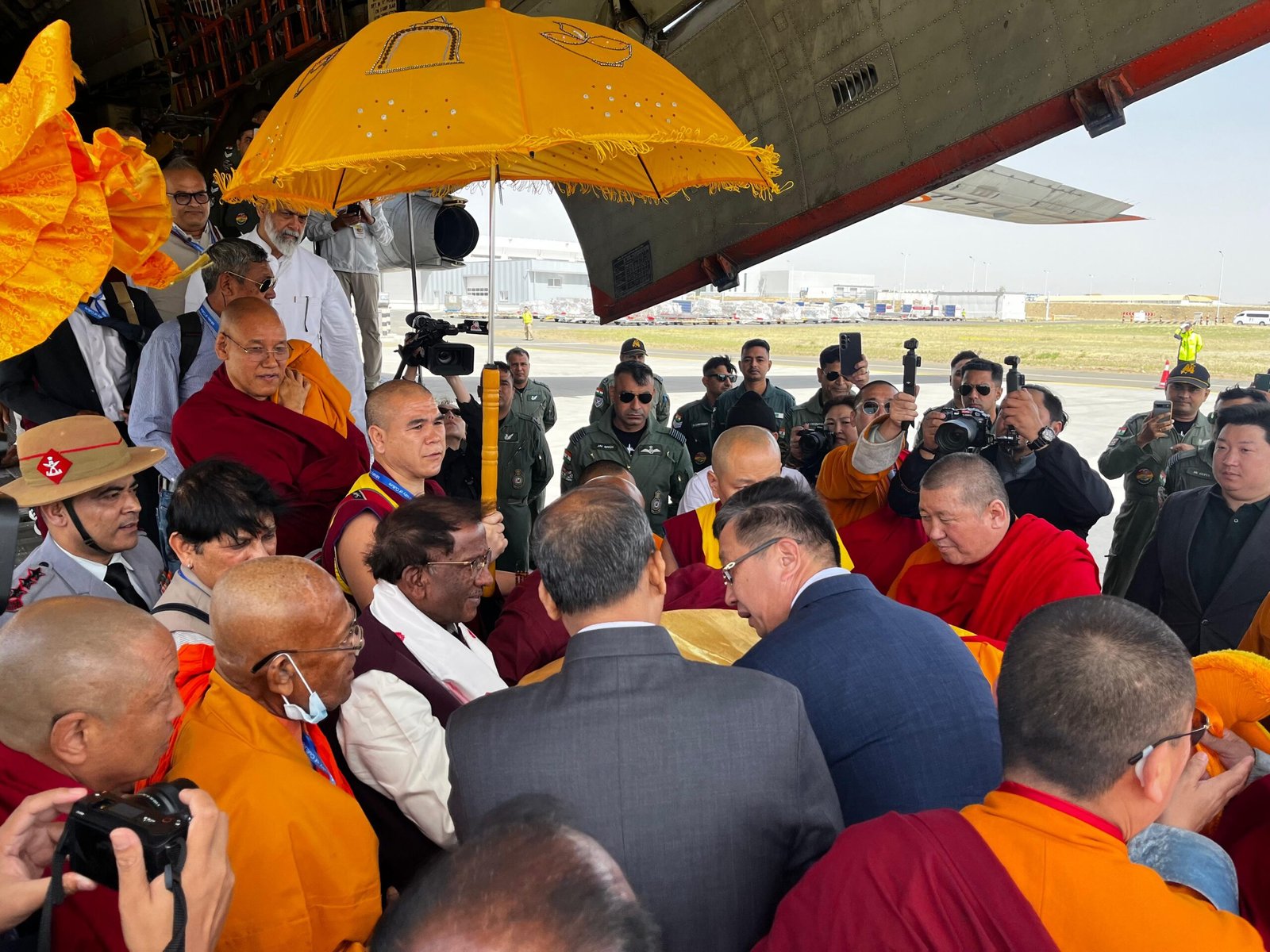
In a significant gesture of cultural diplomacy and spiritual cooperation, the Indian Air Force (IAF) has airlifted sacred Buddhist relics to Mongolia for a special public exposition. The initiative aims to strengthen the deep-rooted Buddhist connections between India and Mongolia while promoting cultural and religious exchanges between the two nations.
The relics, which hold immense significance for Buddhist followers worldwide, were transported with utmost care and security by the Indian Air Force. The event is expected to attract thousands of devotees, monks, scholars, and visitors across Mongolia.
A Symbol of Shared Buddhist Heritage
India is the birthplace of Buddhism and holds a unique place in the hearts of Buddhist communities around the world. Mongolia, where Buddhism remains one of the most influential spiritual traditions, shares a centuries-old cultural and religious connection with India.
The transfer of sacred relics symbolizes the enduring bond between the two countries and reinforces India’s role as a custodian of Buddhist heritage. Such initiatives help preserve ancient traditions while strengthening international cultural partnerships.
Experts view the event as an important example of soft diplomacy, where cultural and spiritual connections contribute to stronger bilateral relations.
Indian Air Force Plays a Key Role
The Indian Air Force played a crucial role in ensuring the safe transportation of the sacred relics from India to Mongolia. Given the religious significance and historical value of the relics, special logistical arrangements and security measures were implemented throughout the journey.
The operation showcased the IAF’s capability to support important cultural and diplomatic missions in addition to its primary defense responsibilities.
Officials stated that the transportation mission was coordinated carefully with religious authorities and government agencies from both countries.
Public Exposition Expected to Draw Thousands
The sacred relics will be displayed for public viewing in Mongolia, allowing devotees and visitors to pay their respects. Such exhibitions are considered highly significant in Buddhist traditions, offering followers a rare opportunity to connect with revered relics associated with Lord Buddha and Buddhist heritage.
Religious leaders believe the exposition will promote spiritual awareness, cultural understanding, and deeper appreciation of Buddhist teachings.
Large crowds are expected to visit the exhibition during the display period.
India-Mongolia Relations Continue to Grow
India and Mongolia have enjoyed warm diplomatic relations for decades, supported by shared democratic values and strong cultural connections. Buddhism has remained one of the strongest pillars of the relationship between the two nations.
In recent years, cooperation has expanded beyond culture to include areas such as education, defense, trade, infrastructure, and capacity building.
The transportation of sacred relics is expected to further enhance goodwill and strengthen people-to-people ties.
Cultural Diplomacy Through Buddhism
India has increasingly used its rich Buddhist heritage as an important tool of cultural diplomacy. By sharing sacred relics and promoting Buddhist tourism, India continues to deepen engagement with countries where Buddhism remains an important part of society.
Such initiatives contribute to preserving cultural heritage while fostering international friendship and mutual understanding.
Mongolia has consistently expressed appreciation for India’s efforts to promote Buddhist cultural exchanges and heritage preservation.
Significance for the Global Buddhist Community
The movement of sacred Buddhist relics holds significance not only for India and Mongolia but also for the global Buddhist community. These relics serve as symbols of faith, history, and spiritual continuity.
Religious scholars note that international exhibitions of Buddhist relics help spread awareness about Buddhist philosophy, peace, compassion, and cultural heritage among newer generations.
The event is expected to strengthen connections among Buddhist communities across Asia and beyond.
Conclusion
The Indian Air Force’s successful airlifting of sacred Buddhist relics to Mongolia marks an important milestone in cultural and spiritual diplomacy. The initiative reflects the deep historical ties between India and Mongolia and highlights the enduring relevance of Buddhism in connecting nations and people.
As thousands gather to pay homage to the sacred relics, the event serves as a reminder of the powerful role cultural heritage can play in strengthening international friendship, mutual respect, and shared spiritual values.