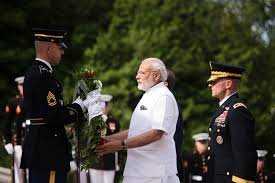
Prime Minister Narendra Modi paid homage to fallen heroes by laying a wreath at the Tomb of the Unknown Soldier during his official visit. The solemn ceremony reflected India’s respect for the sacrifices made by soldiers who gave their lives in service to their nation and whose identities remain unknown.
The gesture is a symbol of remembrance, honor, and gratitude toward military personnel who have displayed extraordinary courage and dedication in protecting their country.
A Tribute to Fallen Heroes
The Tomb of the Unknown Soldier serves as a memorial dedicated to unidentified soldiers who lost their lives in conflicts and military operations. Such monuments are found in several countries and represent the collective sacrifice of armed forces personnel.
By laying a wreath at the memorial, Prime Minister Modi paid respects to the brave men and women who made the ultimate sacrifice while serving their nation.
The ceremony also highlighted the importance of honoring military traditions and preserving the memory of those who contributed to national security and peace.
Significance of the Wreath-Laying Ceremony
Wreath-laying ceremonies are an important diplomatic and ceremonial tradition during state visits. They symbolize respect for a nation’s history, military heritage, and fallen soldiers.
Key purposes of the ceremony include:
- Honoring military sacrifices.
- Strengthening diplomatic goodwill.
- Demonstrating mutual respect between nations.
- Recognizing the contribution of armed forces.
- Promoting values of peace and remembrance.
Such events often form a significant part of official state engagements.
Importance of the Tomb of the Unknown Soldier
The Tomb of the Unknown Soldier holds deep symbolic value because it represents all unidentified military personnel who lost their lives while serving their country.
The memorial serves as:
A Symbol of National Gratitude
It honors the courage and dedication of soldiers whose identities may never be known.
A Place of Remembrance
Citizens, leaders, and visiting dignitaries pay tribute to those who made the ultimate sacrifice.
A Reflection of Military Heritage
The monument helps preserve the legacy of armed forces personnel for future generations.
A Message of Peace
Such memorials remind the world of the human cost of conflict and the importance of maintaining peace.
Strengthening Bilateral Relations
During official international visits, ceremonies at national memorials often help strengthen relations between countries. Paying tribute at the Tomb of the Unknown Soldier reflects mutual respect and shared recognition of military service and sacrifice.
These gestures contribute to diplomatic goodwill and reinforce partnerships across political, economic, cultural, and strategic sectors.
India’s Respect for Armed Forces
India has consistently honored the bravery and sacrifices of military personnel through various memorials, ceremonies, and national observances. The country’s leadership frequently recognizes the contributions of soldiers, veterans, and their families.
The Prime Minister’s participation in such ceremonies reflects India’s commitment to honoring military traditions and remembering those who have served their nation with distinction.
Global Tradition of Honoring Unknown Soldiers
Many nations maintain memorials dedicated to unknown soldiers as a way of commemorating those whose identities could not be established during times of war. These monuments stand as powerful reminders of courage, sacrifice, and national service.
Visiting leaders often pay their respects at these sites as part of diplomatic visits, reinforcing the universal values of honor, remembrance, and peace.
Conclusion
Prime Minister Narendra Modi’s wreath-laying ceremony at the Tomb of the Unknown Soldier was a heartfelt tribute to the courage and sacrifice of fallen military personnel. The solemn gesture underscored the importance of remembering those who gave their lives in service to their nation and reflected the enduring values of honor, gratitude, and respect for armed forces across the world.