US Seeks China’s Support Amid Growing Gulf Tensions
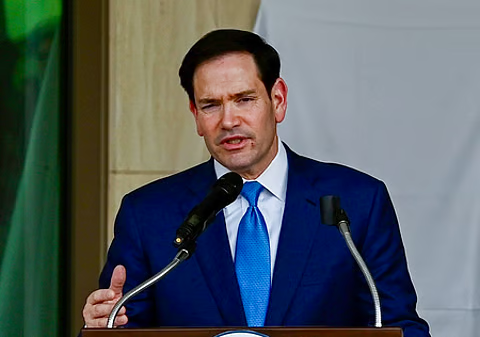
US Secretary of State Marco Rubio has urged China to support international efforts aimed at restoring freedom of navigation through the Strait of Hormuz. His remarks come as tensions in the Gulf region continue to raise concerns about global energy supplies and maritime security.
Moreover, Rubio emphasized that maintaining open and secure shipping lanes is a shared international responsibility. He noted that disruptions in the Strait could have serious consequences for global trade and economic stability.
Strait of Hormuz Remains a Critical Global Trade Route
The Strait of Hormuz is one of the world’s most important maritime corridors. A significant portion of global oil and liquefied natural gas exports passes through the narrow waterway every day.
Furthermore, several major economies depend heavily on energy supplies transported through the Strait. Any disruption to shipping operations can affect fuel prices, supply chains, and international markets.
As a result, governments around the world are closely monitoring developments in the Gulf region.
Rubio Highlights China’s Strategic Role
During his remarks, Rubio pointed out that China is one of the largest importers of Gulf energy resources. Therefore, Beijing has a direct interest in ensuring that maritime trade routes remain open and secure.
Additionally, he suggested that China could play a constructive role by encouraging diplomatic solutions and supporting efforts to reduce tensions in the region.
According to Rubio, safeguarding freedom of navigation should be a priority for all countries that benefit from international trade.
Rising Concerns Over Regional Security
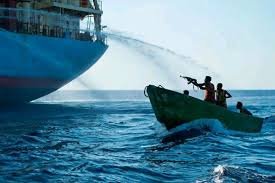
The appeal comes amid renewed military tensions involving Iran, the United States, and several Gulf nations. Recent incidents involving missiles, drones, and military strikes have increased fears of disruptions to commercial shipping.
Meanwhile, shipping companies and energy markets remain cautious as security concerns continue to impact maritime operations.
Consequently, international stakeholders are calling for greater cooperation to prevent further escalation.
Global Economy Could Face Serious Impact
Experts warn that any prolonged disruption in the Strait of Hormuz could have far-reaching economic consequences. Higher transportation costs and reduced energy supplies could affect countries across Asia, Europe, and other regions.
Moreover, fluctuations in oil prices could create additional challenges for global economic growth and inflation management.
Therefore, ensuring the uninterrupted flow of maritime trade remains a key priority for many governments.
Diplomatic Efforts Continue
The United States and its partners have continued diplomatic efforts to stabilize the situation in the Gulf. Officials are engaging with regional and international stakeholders to encourage dialogue and prevent further conflict.
In addition, several countries have reiterated their commitment to international maritime law and the principle of freedom of navigation.
These efforts aim to reduce tensions while protecting critical trade routes that support the global economy.
China Faces Increasing International Expectations
As a major global economic power, China is facing increasing calls to contribute to regional stability. Analysts believe Beijing’s influence with key regional players could help facilitate dialogue and reduce the risk of confrontation.
Furthermore, China’s economic interests align closely with maintaining secure shipping routes through the Gulf.
As a result, many observers view Chinese involvement as an important factor in future diplomatic efforts.
Conclusion
US Secretary of State Marco Rubio’s call for China to support freedom of navigation in the Strait of Hormuz highlights the growing international concern over Gulf security. With global energy markets and trade routes at stake, major powers are seeking cooperative solutions to prevent further disruptions.
Moreover, the situation underscores the importance of international collaboration in safeguarding one of the world’s most strategic waterways. As diplomatic efforts continue, the role of major economies such as China will remain crucial in maintaining regional stability and protecting global commerce.