Piyush Goyal Highlights People-Centric Governance
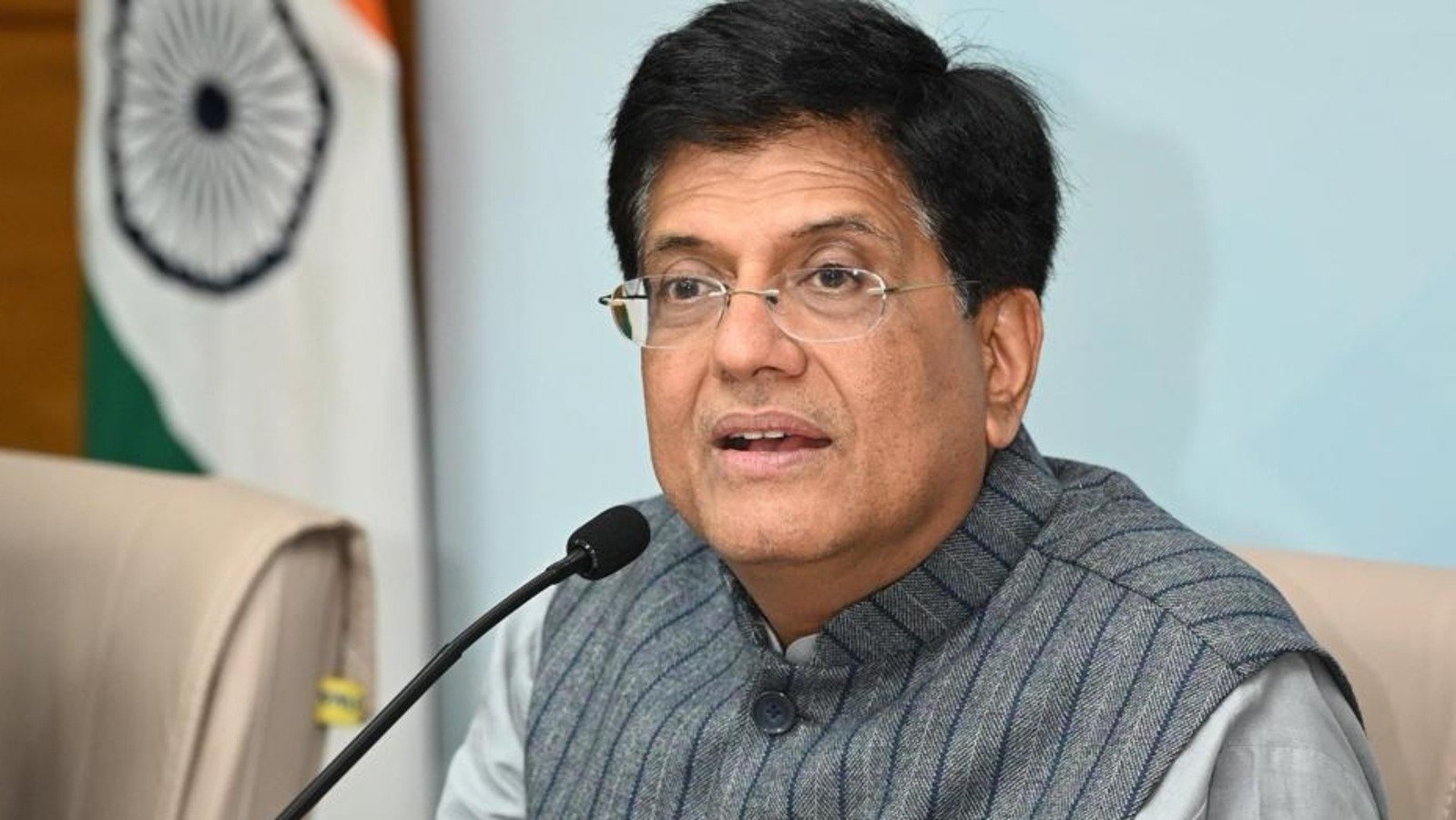
Union Minister Shri Piyush Goyal has stated that the welfare of the common man has remained at the heart of governance under the leadership of Prime Minister Narendra Modi. Reflecting on the government’s development journey, Goyal emphasized that policies and programmes over the past decade have been designed to improve the lives of ordinary citizens while ensuring inclusive and sustainable growth.
Moreover, he noted that the government’s approach has focused on empowering people through welfare initiatives, economic opportunities, and improved access to essential services.
Garib Kalyan at the Centre of Policy Making
According to the Union Minister, the philosophy of Garib Kalyan has guided major policy decisions across sectors. Various flagship schemes have been launched to address critical needs such as housing, healthcare, sanitation, food security, financial inclusion, and social welfare.
Furthermore, these initiatives have aimed to ensure that benefits reach the intended beneficiaries directly through transparent and technology-driven mechanisms.
As a result, millions of citizens have gained access to services that were previously difficult to obtain.
Financial Inclusion Transforms Lives
Piyush Goyal highlighted the role of financial inclusion in empowering citizens and strengthening economic participation. Initiatives aimed at expanding banking access have enabled millions of individuals to join the formal financial system.
Additionally, Direct Benefit Transfer (DBT) mechanisms have improved efficiency by ensuring that government assistance reaches beneficiaries without intermediaries.
Therefore, financial inclusion has become a key pillar of the government’s welfare strategy.
Infrastructure Development Supporting Growth
The Minister also pointed to India’s rapid infrastructure expansion as an important driver of economic progress. Investments in roads, railways, airports, ports, and digital infrastructure have enhanced connectivity and created opportunities across urban and rural regions.
Moreover, improved infrastructure has facilitated business growth, employment generation, and better access to public services.
Consequently, infrastructure development has complemented welfare initiatives in improving living standards.
Focus on Empowerment Rather Than Dependency
Goyal emphasized that the government’s welfare model seeks not only to provide assistance but also to create opportunities for self-reliance and economic empowerment. Programmes supporting entrepreneurship, skill development, women-led enterprises, and employment generation have been designed to help citizens become financially independent.
Furthermore, initiatives promoting innovation and business development have encouraged greater participation in economic activities.
As a result, welfare policies increasingly focus on long-term empowerment and sustainable growth.
Technology Driving Better Governance
The Union Minister credited technology with transforming governance and public service delivery. Digital platforms have enabled faster implementation of government schemes while improving transparency and accountability.
Additionally, citizens can now access various government services more efficiently through digital channels.
Therefore, technology has played a crucial role in strengthening governance and enhancing public trust.
Advancing the Vision of Viksit Bharat
Goyal linked the government’s welfare efforts with the broader vision of Viksit Bharat 2047, which aims to transform India into a developed nation by the centenary year of Independence.
Moreover, he stressed that inclusive growth and citizen welfare will remain central to achieving this national objective.
Consequently, policies focused on social development and economic progress are expected to continue shaping the country’s future roadmap.
Common Man as the Beneficiary of Development
The Minister noted that development initiatives have been designed with the common citizen in mind, ensuring that growth translates into tangible improvements in daily life.
Furthermore, efforts to improve healthcare, education, housing, sanitation, and employment opportunities have sought to create a more equitable society.
As a result, the government’s governance model aims to balance economic growth with social welfare.
Conclusion
Union Minister Piyush Goyal’s remarks underscore the government’s emphasis on placing the welfare of the common man at the center of governance under Prime Minister Narendra Modi’s leadership. Through welfare schemes, financial inclusion, infrastructure development, and technology-driven service delivery, the government has sought to improve the lives of millions of citizens.
Moreover, as India moves toward the vision of Viksit Bharat 2047, the focus on inclusive growth, empowerment, and citizen welfare is expected to remain a cornerstone of policy making and national development.