A Decade Focused on Inclusive Development
Over the past decade, India has witnessed a significant transformation in welfare delivery and social empowerment. Guided by the principle of “Sabka Saath, Sabka Vikas, Sabka Vishwas, Sabka Prayas,” the government has prioritized the welfare of the poor through a range of targeted initiatives aimed at improving quality of life and expanding economic opportunities.
Moreover, these efforts have focused on ensuring that development reaches every section of society, particularly vulnerable and marginalized communities. Through technology-driven governance and direct benefit transfers, welfare schemes have become more transparent and accessible.
Financial Inclusion Revolution Through Jan Dhan Yojana
One of the most transformative initiatives has been the Pradhan Mantri Jan Dhan Yojana (PMJDY), which brought millions of previously unbanked citizens into the formal financial system.
Furthermore, access to bank accounts has enabled beneficiaries to receive government assistance directly, reducing leakages and enhancing transparency. Financial inclusion has also encouraged savings and greater participation in the economy.
As a result, millions of families have gained access to essential financial services for the first time.
Housing for All Through PM Awas Yojana
Providing dignified housing to economically weaker sections has remained a major focus area. Under the Pradhan Mantri Awas Yojana (PMAY), millions of houses have been sanctioned and constructed for eligible beneficiaries across rural and urban India.
Additionally, the scheme has improved living conditions by ensuring access to basic amenities such as electricity, sanitation, and clean drinking water.
Therefore, housing assistance has contributed significantly to improving the quality of life of poor households.
Strengthening Food Security
Food security has been a key pillar of the government’s welfare strategy. Programs such as the Pradhan Mantri Garib Kalyan Anna Yojana (PMGKAY) have provided free food grains to millions of beneficiaries, particularly during challenging periods.
Moreover, these initiatives have helped ensure that vulnerable families continue to have access to essential nutrition and food support.
Consequently, food security measures have strengthened social protection mechanisms across the country.
Healthcare Access Through Ayushman Bharat
The launch of Ayushman Bharat Pradhan Mantri Jan Arogya Yojana (AB-PMJAY) marked a major step toward universal healthcare access. The scheme provides health insurance coverage to economically disadvantaged families, reducing the financial burden of medical treatment.
Furthermore, millions of beneficiaries have received treatment under the program, improving healthcare accessibility and affordability.
As a result, many families have been protected from catastrophic healthcare expenses.
Women-Led Development Gains Momentum
Women’s empowerment has emerged as a central component of inclusive development. Schemes such as Pradhan Mantri Ujjwala Yojana have provided LPG connections to millions of households, reducing dependence on traditional cooking fuels.
Additionally, initiatives promoting financial inclusion, entrepreneurship, education, and health have strengthened the socio-economic position of women.
Therefore, women have increasingly become active participants in India’s development journey.
Rural Development and Livelihood Support
The government has also focused on improving rural infrastructure and livelihood opportunities. Investments in roads, housing, irrigation, and digital connectivity have enhanced economic prospects in villages.
Moreover, programs supporting farmers, self-help groups, and rural entrepreneurs have contributed to income generation and employment creation.
Consequently, rural communities have benefited from improved access to services and economic opportunities.
Technology-Driven Welfare Delivery
A major feature of the past decade has been the use of technology to improve governance. Digital platforms and Direct Benefit Transfer (DBT) mechanisms have enabled welfare benefits to reach beneficiaries directly.
Furthermore, technology has enhanced transparency, reduced corruption, and improved efficiency in public service delivery.
As a result, government schemes have become more effective and citizen-centric.
Towards Self-Reliance and Empowerment
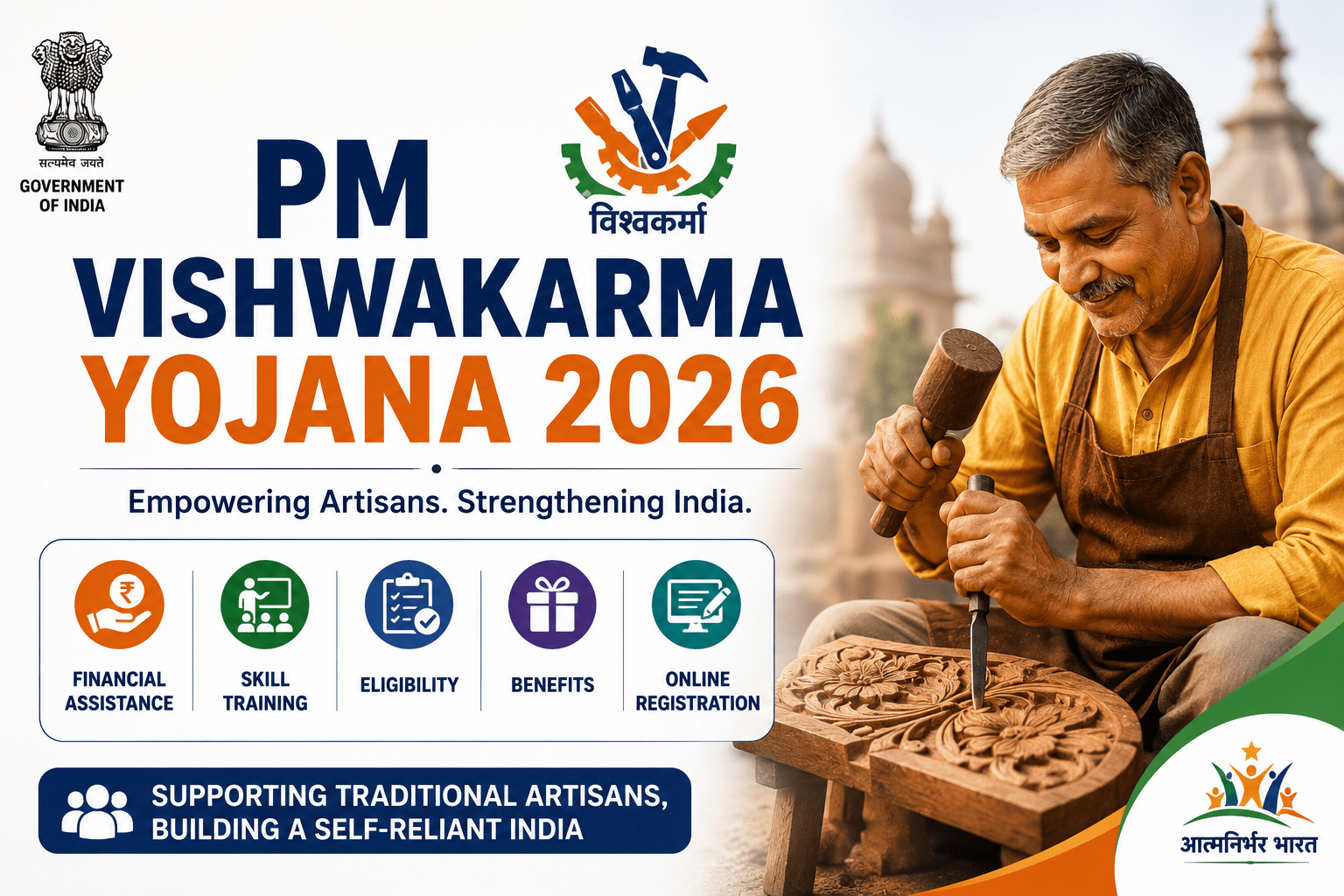
Beyond welfare support, the focus has increasingly shifted toward empowerment and self-reliance. Skill development programs, entrepreneurship initiatives, and financial assistance schemes have helped individuals create sustainable livelihoods.
Moreover, the government’s approach aims to equip citizens with the tools needed to improve their economic conditions independently.
Therefore, inclusive growth has been linked with long-term empowerment rather than short-term assistance alone.
Conclusion
The past decade has witnessed a comprehensive effort to improve the lives of India’s poor through financial inclusion, housing, healthcare, food security, women’s empowerment, and rural development initiatives. By combining welfare support with technology-driven governance, the government has sought to ensure that the benefits of development reach those who need them most.
Moreover, the focus on empowerment, transparency, and inclusive growth continues to shape India’s social and economic transformation. As these initiatives evolve, they are expected to play an important role in building a more equitable and prosperous society.