Border Trade Through Lipulekh Pass Resumes After Six-Year Gap
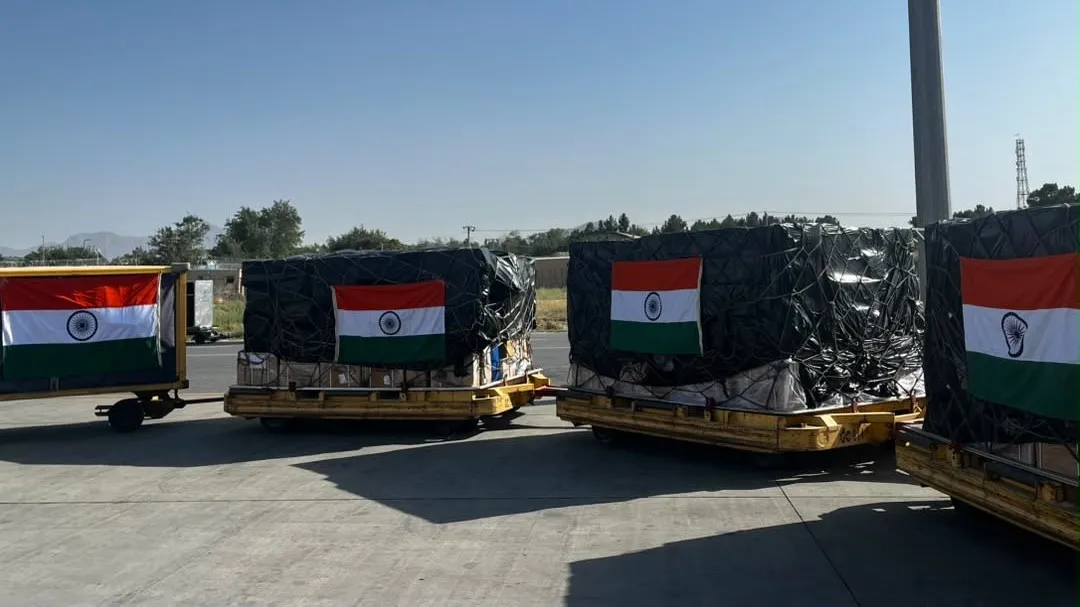
In a significant development, India-China border trade through the Lipulekh Pass in Uttarakhand has resumed after a gap of six years. Authorities have issued 26 trade passes to registered traders, allowing cross-border commerce to restart. The resumption is expected to strengthen traditional trade ties between communities living along the India-China border and boost the local economy in Uttarakhand.
Moreover, traders and local residents have welcomed the decision, expressing hope that the reopening of the trade route will create new economic opportunities for businesses and border villages.
Lipulekh Pass Holds Strategic and Economic Importance
Located in Uttarakhand’s Pithoragarh district, the Lipulekh Pass is an important trade and pilgrimage route connecting India with China’s Tibet Autonomous Region. Apart from facilitating border trade, the pass also serves as one of the key routes for the Kailash Mansarovar Yatra.
Furthermore, the reopening of the trade route is expected to improve regional connectivity and revive traditional commercial activities that were suspended in recent years.
26 Trade Passes Issued to Registered Traders
Officials have issued 26 trade passes to eligible traders after completing the necessary verification process. These passes authorize traders to transport approved goods across the border under the existing bilateral trade framework.
Additionally, authorities have implemented security measures and administrative procedures to ensure that border trade operates smoothly and in accordance with established guidelines.
Boost for Local Economy and Border Communities
The revival of border trade is expected to provide a significant economic boost to traders, transporters, and local businesses in the region. Many border villages depend on seasonal trade activities for their livelihood.
Moreover, increased commercial activity could generate employment opportunities and encourage tourism in nearby areas.
Consequently, local stakeholders believe the resumption will contribute to the overall development of the border region.
Trade to Follow Existing Bilateral Protocols
Border trade through Lipulekh Pass will continue under the established protocols agreed upon by India and China. Only approved goods and registered traders will be permitted to participate in cross-border trading activities.
Furthermore, customs, security, and local administrative agencies will monitor operations to ensure compliance with all regulations.
Significance for India-China Relations
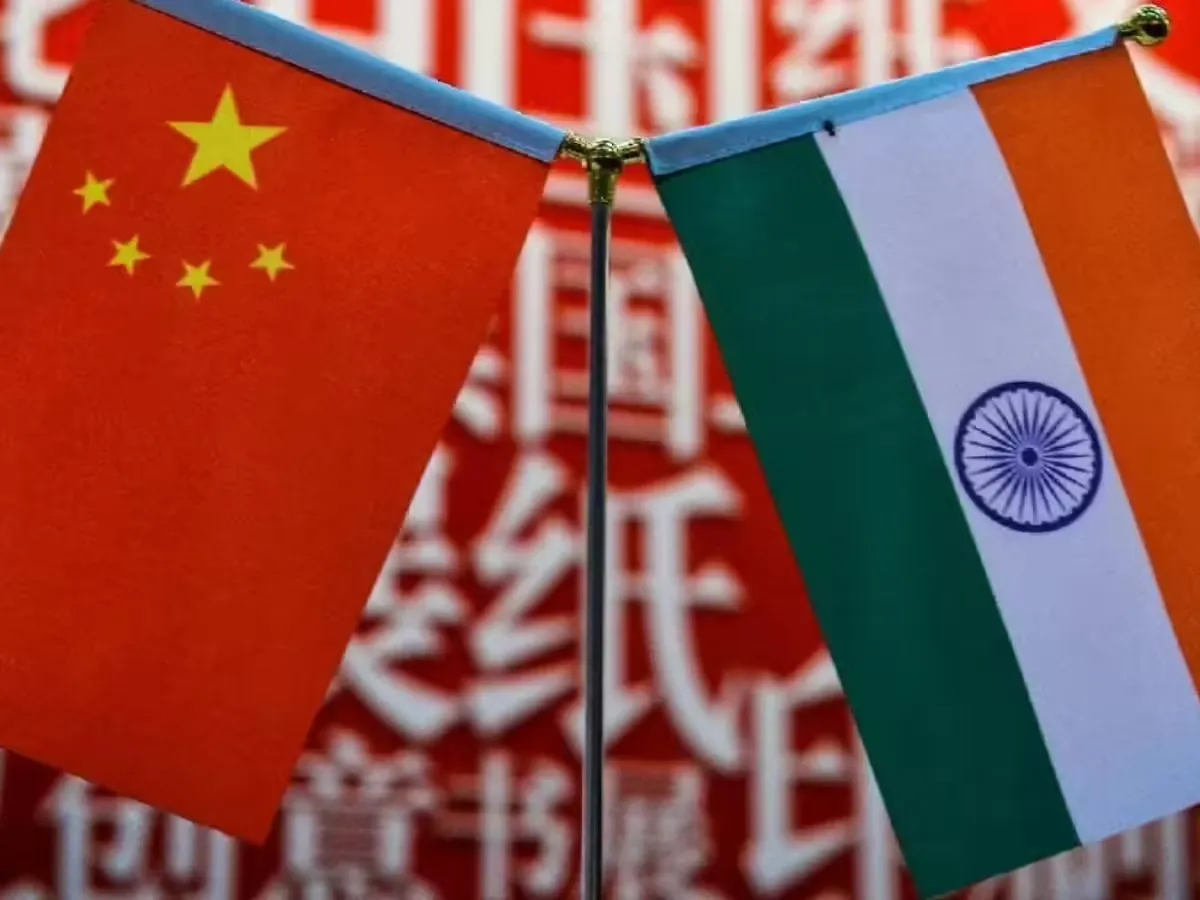
The reopening of border trade through Lipulekh Pass is being viewed as a positive confidence-building measure between India and China. While broader bilateral issues continue to be discussed through diplomatic channels, the restoration of traditional trade reflects efforts to facilitate people-to-people and economic engagement in border areas.
Additionally, experts believe that enhanced local trade can help strengthen economic cooperation while benefiting communities on both sides of the border.
Conclusion
The resumption of India-China border trade through the Lipulekh Pass after six years marks an important milestone for Uttarakhand’s border economy. With 26 trade passes already issued, traditional commerce is set to resume, benefiting local traders and strengthening economic connectivity. The move also highlights ongoing efforts to promote regional development while maintaining established trade and security protocols.