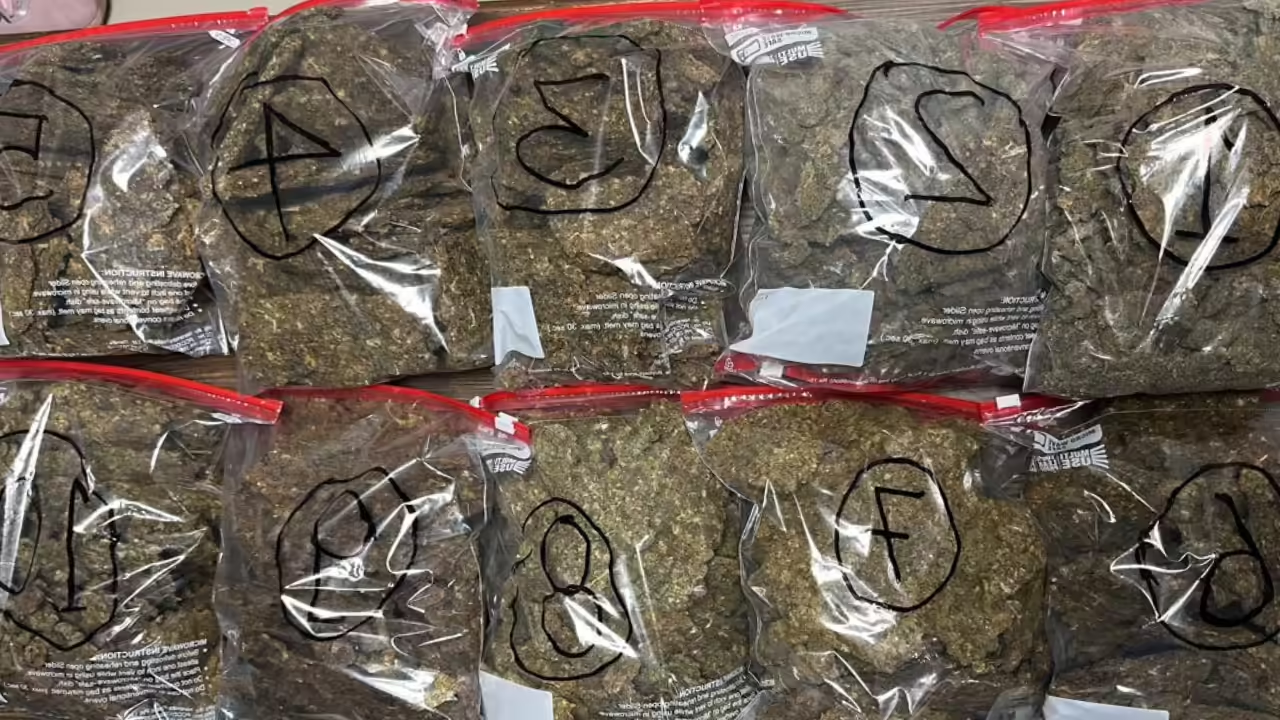
In a major anti-smuggling operation, the Directorate of Revenue Intelligence (DRI) seized 19.8 kilograms of high-grade cannabis at the Lal Bahadur Shastri International Airport in Varanasi, foiling an alleged international drug trafficking attempt. The seizure is being viewed as one of the significant narcotics interceptions in recent months amid intensified efforts by Indian authorities to crack down on cross-border drug smuggling networks.
Officials stated that the contraband was recovered during a targeted operation based on intelligence inputs. The seized substance is believed to be premium-quality cannabis intended for illegal international trafficking.
The operation highlights growing concerns regarding:
- International drug trafficking routes
- Use of airports for narcotics smuggling
- Organized criminal syndicates
- Synthetic and high-grade narcotics trade
- Cross-border illegal networks
DRI Conducts Major Anti-Smuggling Operation
According to officials, DRI officers intercepted a passenger at the Lal Bahadur Shastri International Airport after suspicious travel patterns and intelligence inputs triggered closer examination.
During baggage inspection and screening procedures, officers reportedly recovered:
- 19.8 kg high-grade cannabis
- Concealed narcotics packages
- Special packaging intended to evade detection
Authorities believe the seized narcotics were meant for trafficking through international routes.
The accused passenger was detained for questioning, and further investigations are underway to identify possible links with larger drug trafficking syndicates.
Airport Security and Intelligence Coordination
Officials emphasized that the successful interception demonstrates improved coordination between:
- DRI intelligence teams
- Airport security agencies
- Customs officials
- Aviation security personnel
Modern surveillance systems, passenger profiling, and intelligence-based monitoring have significantly strengthened anti-smuggling operations at major Indian airports.
Experts note that traffickers increasingly use:
- Concealed baggage compartments
- Courier networks
- International passenger routes
- Fake documentation
to move narcotics across borders.
Growing Concern Over Drug Smuggling Networks
Law enforcement agencies have repeatedly warned about rising attempts to smuggle:
- Cannabis products
- Synthetic drugs
- Narcotic substances
- Pharmaceutical contraband
through airports and cargo routes.
High-grade cannabis, often marketed illegally in international markets, has become a major concern because of its increasing demand and high black-market value.
Investigators suspect organized criminal groups are continuously exploring new trafficking routes to bypass stricter security measures.
India Intensifies Crackdown on Narcotics Trafficking
Indian enforcement agencies have recently intensified operations against drug trafficking networks under broader anti-narcotics campaigns.
Authorities have increased:
- Surveillance at airports and ports
- Intelligence-sharing between agencies
- International coordination
- Advanced baggage screening systems
- Financial investigations linked to drug syndicates
The government has repeatedly stated that narcotics trafficking poses a serious threat to:
- National security
- Public health
- Youth safety
- Economic stability
Importance of Varanasi Airport
The Lal Bahadur Shastri International Airport in Varanasi has witnessed growing international passenger movement in recent years, increasing the importance of:
- Customs vigilance
- Cargo inspections
- Passenger profiling
- Intelligence-based enforcement
Security agencies remain alert because traffickers often attempt to exploit expanding international connectivity and busy transit routes.
Legal Action and Investigation
Officials confirmed that the accused could face charges under the Narcotic Drugs and Psychotropic Substances (NDPS) Act, which carries stringent penalties for drug trafficking offenses.
Investigators are now examining:
- The origin of the narcotics
- Intended destination
- Possible handlers and financial networks
- International trafficking links
Authorities are also expected to analyze digital evidence, travel records, and communication patterns connected to the case.
Drug Trafficking and Public Safety
Experts warn that narcotics trafficking has serious social and security implications, particularly because organized drug networks are often linked to:
- Money laundering
- International criminal syndicates
- Illegal arms trade
- Cybercrime and financial fraud
Governments worldwide continue to strengthen border controls and intelligence cooperation to combat transnational drug trafficking.
Conclusion
The seizure of 19.8 kg of high-grade cannabis at Varanasi’s Lal Bahadur Shastri International Airport marks another significant success for Indian enforcement agencies in their fight against international narcotics trafficking.
The operation reflects increasing vigilance at airports and the government’s broader effort to dismantle organized drug smuggling networks operating across borders.